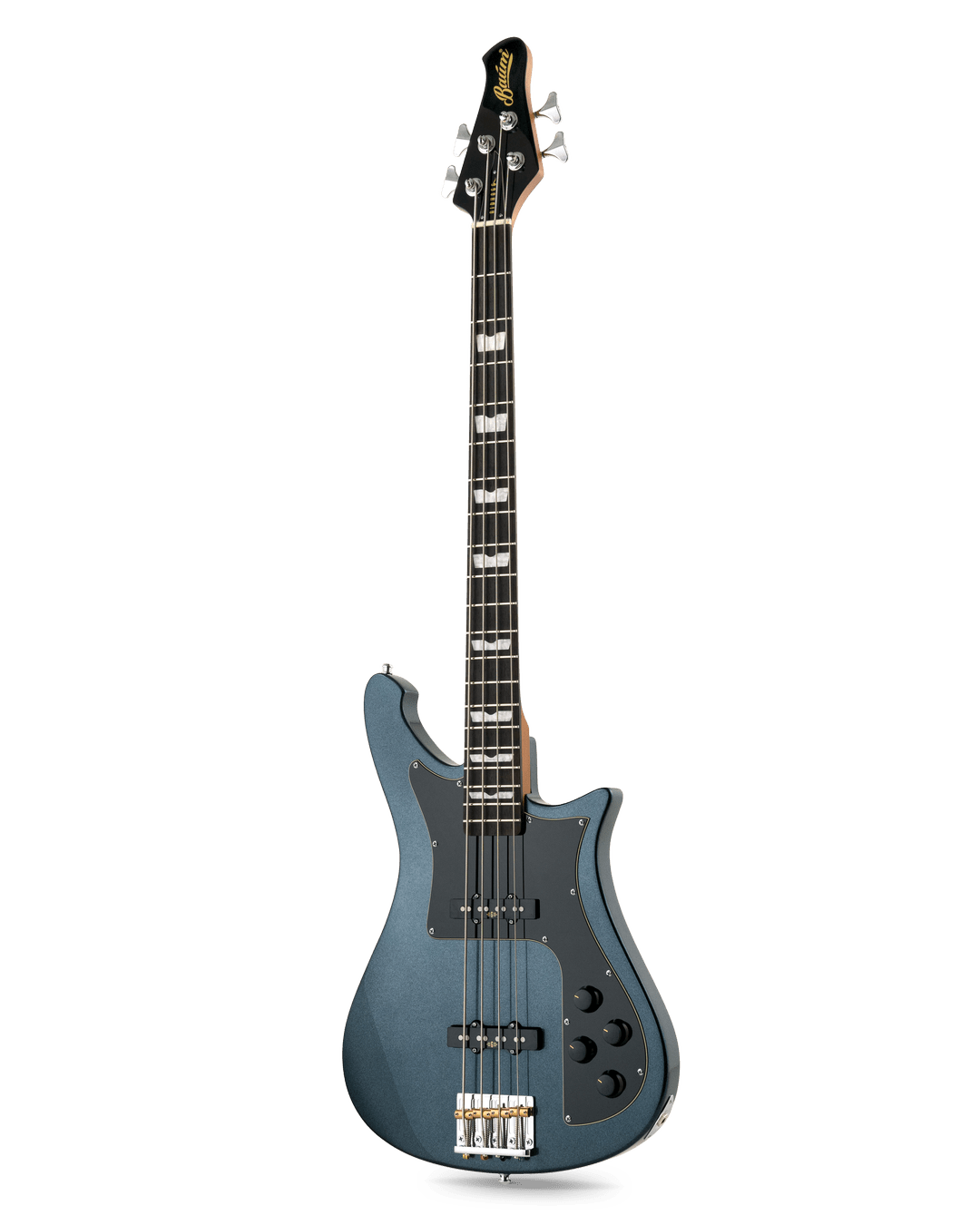
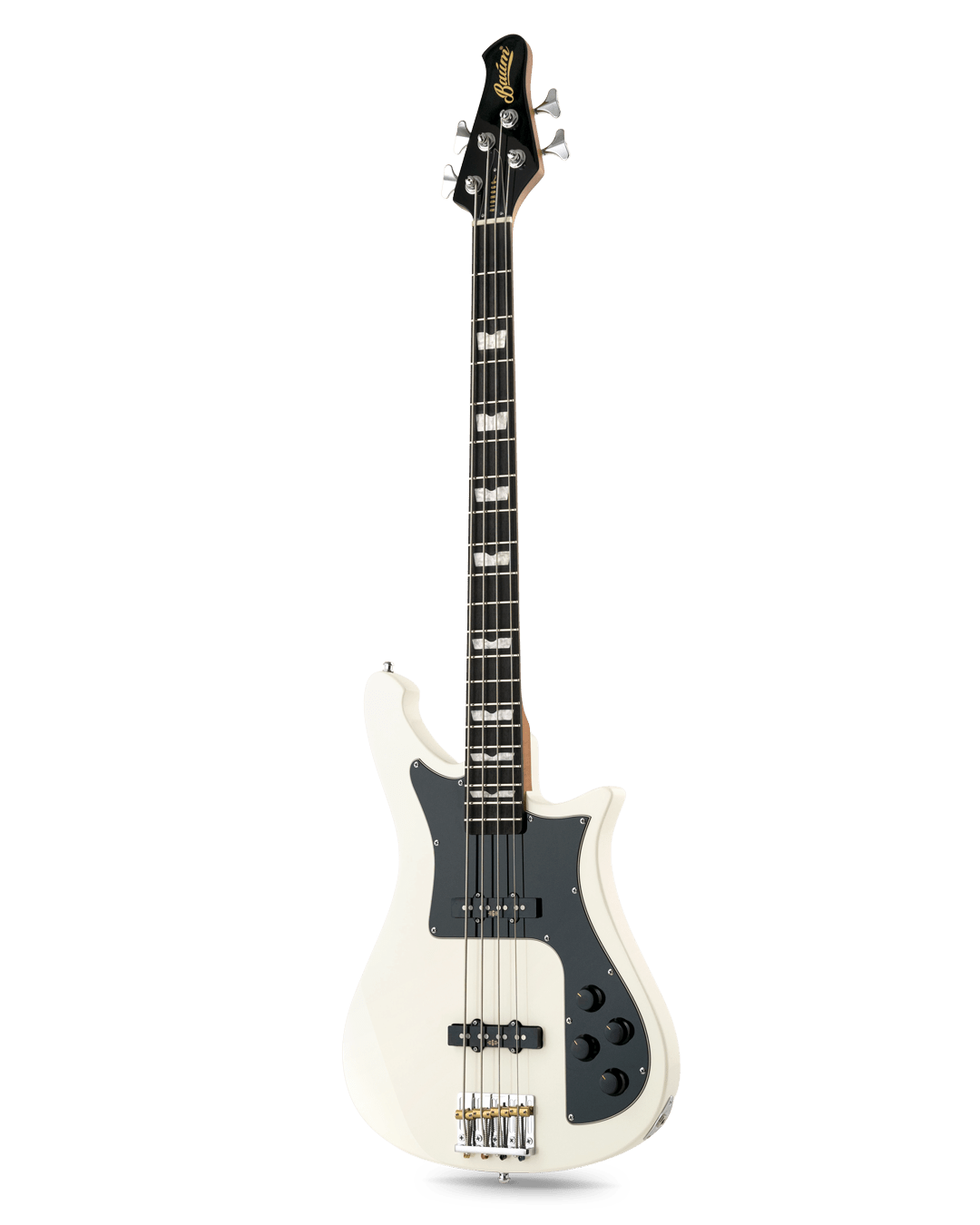
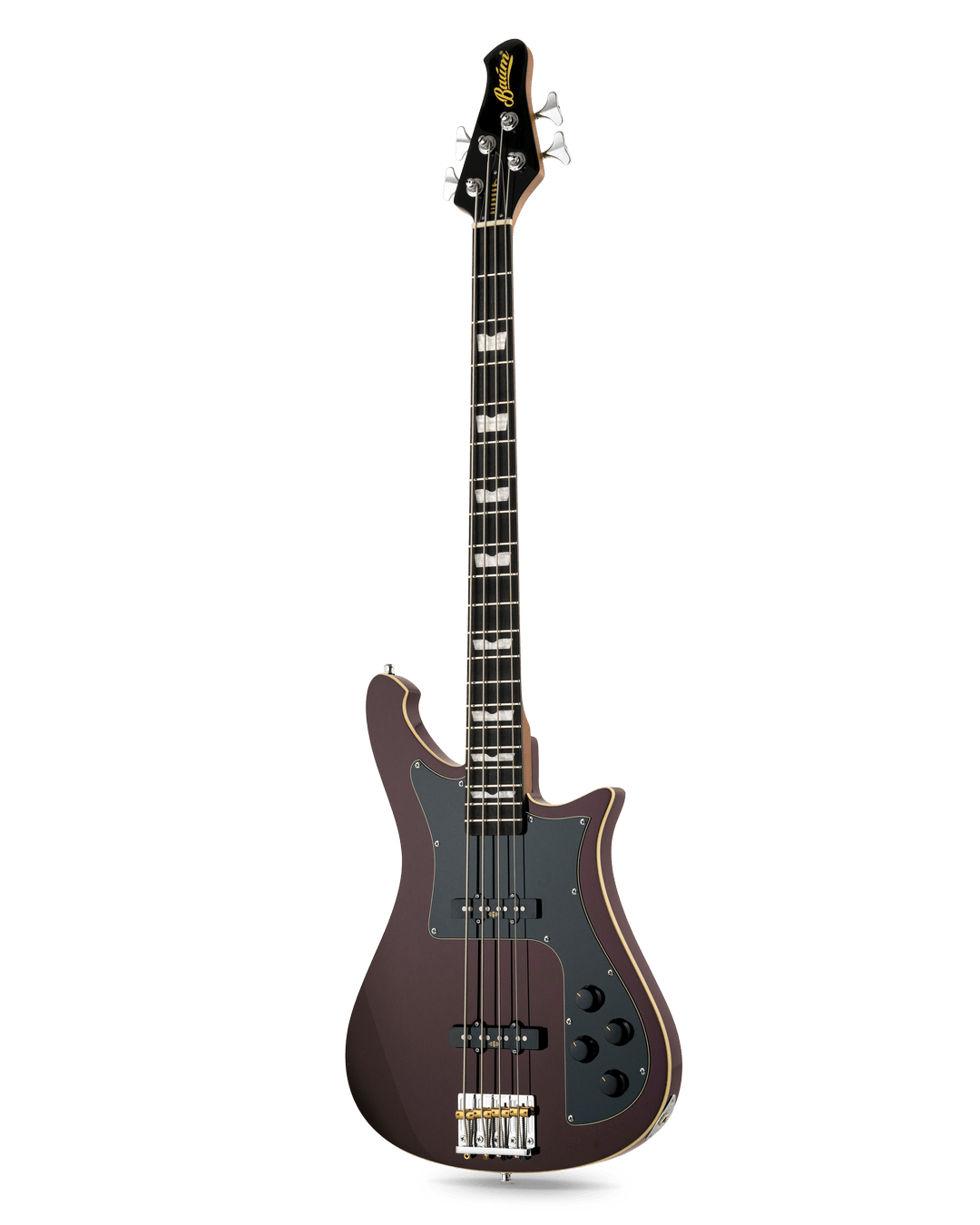
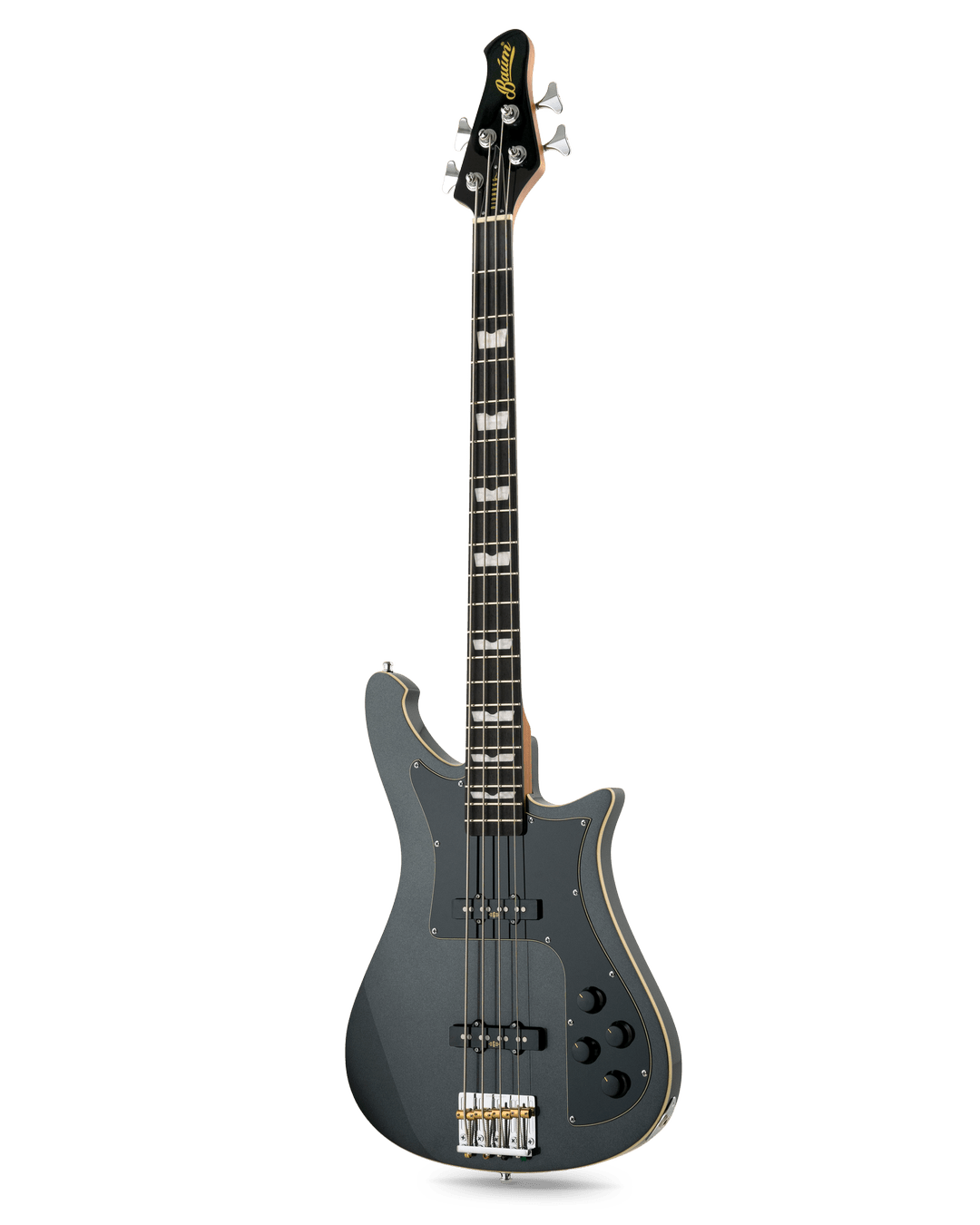
Boutique bass guitars designed and built in Denmark
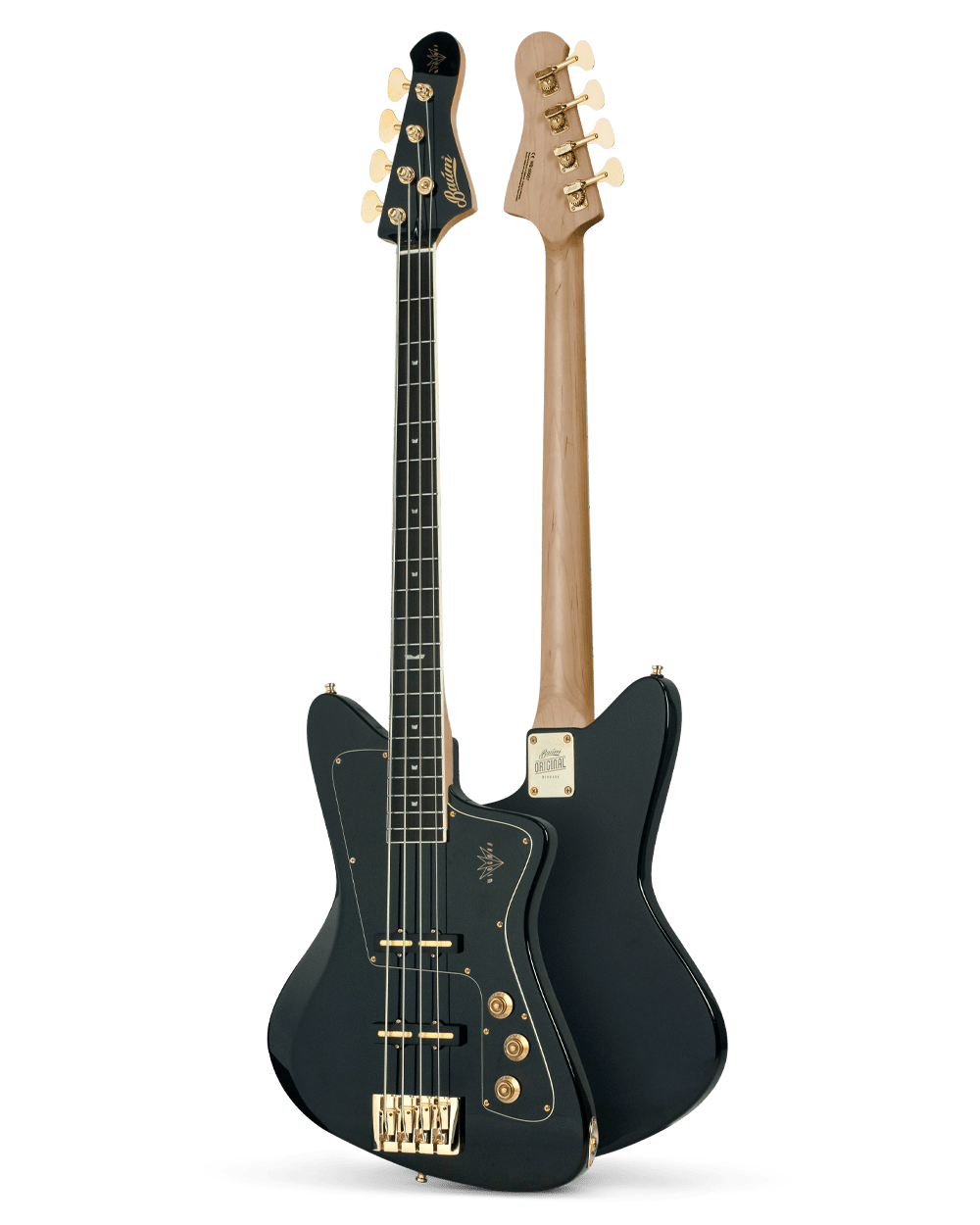
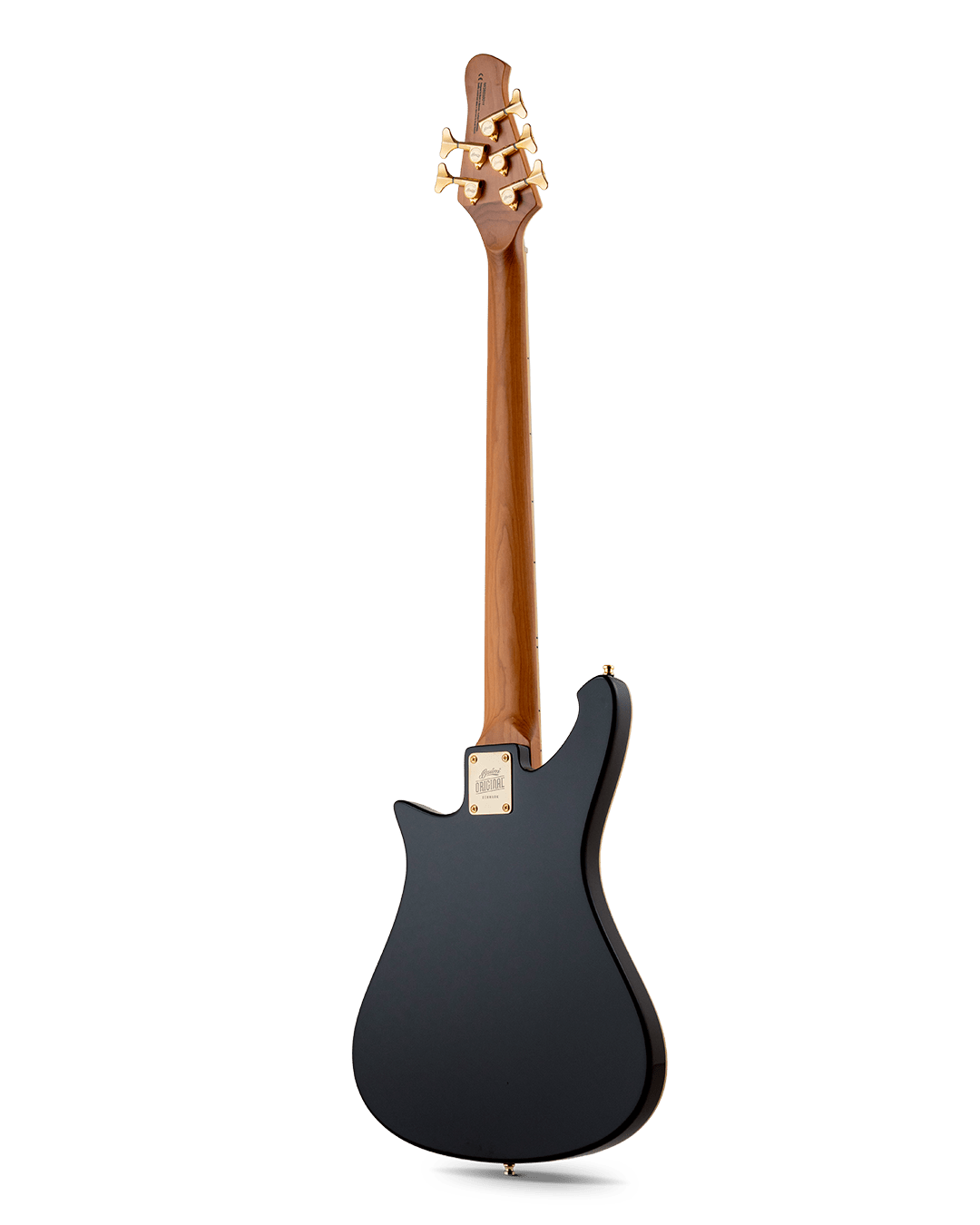
Baum builds bass guitars with the same construction philosophy that defines the electric guitar lineup. Mahogany bodies at a thinner profile than the industry standard. Roasted maple necks that are heat-treated for dimensional stability across temperature and humidity changes. Proprietary Goldsound® pickups engineered in-house and voiced specifically for each model's body and neck combination. Top-loaded bridges that transfer string energy directly into the body for maximum resonance and sustain.
The bass lineup applies that platform to both of the two fundamental electric bass guitar traditions. J-style single coil voicing for players who want articulate, dynamic tone with blend control between pickups. P-style split-coil voicing for players who want warm, punchy tone with the low-end authority that has driven records for decades. Two tonal directions, one construction approach, all built and set up in Aarhus, Denmark.
J-style and P-style on the same platform
The distinction between J-style and P-style bass guitars is the most fundamental categorisation in the electric bass world, and it comes down to pickup construction and the tonal character that follows from it.
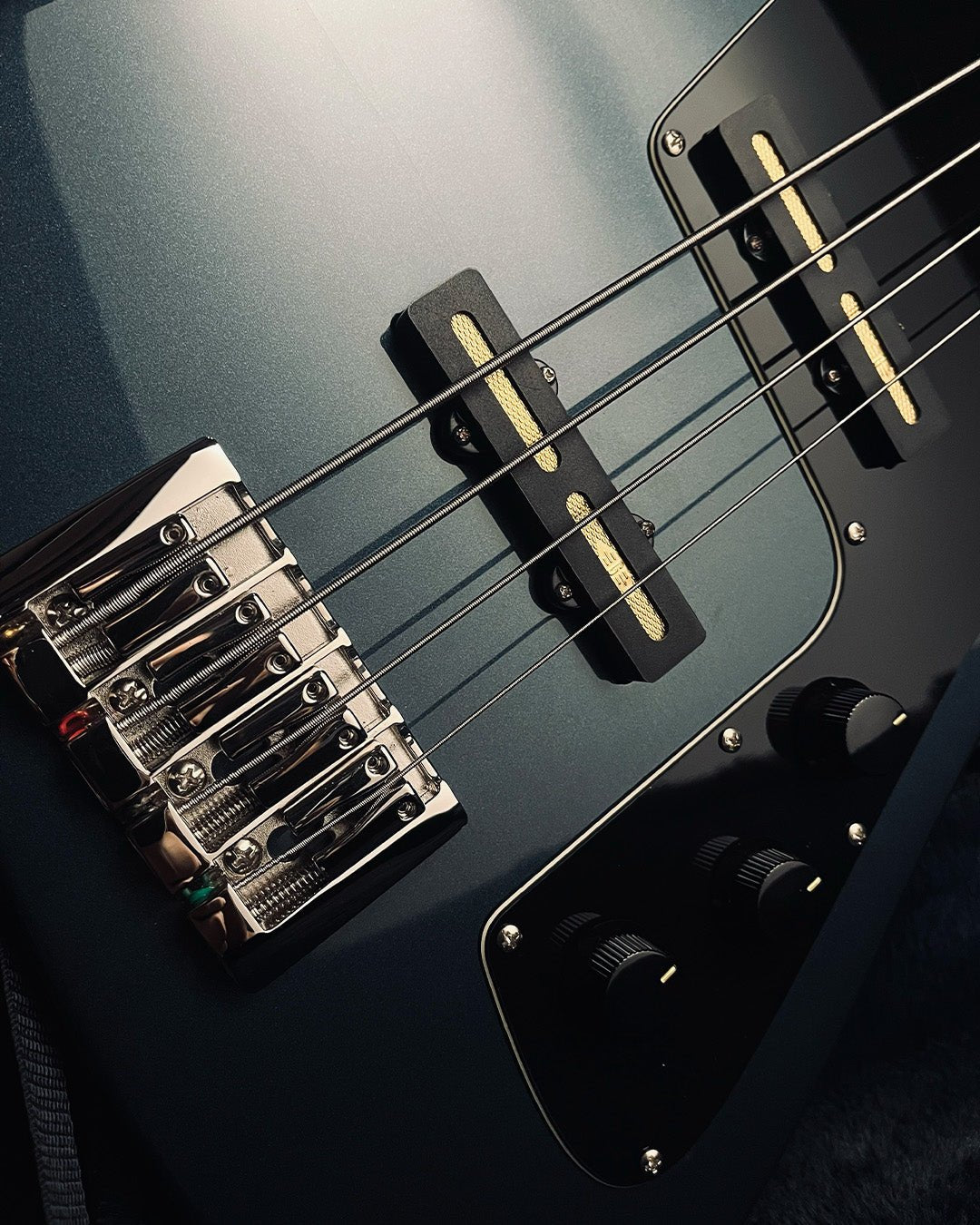
J-style bass pickups are single coil designs, typically arranged as a pair in neck and bridge positions with a blend control that lets players mix the two pickups in any ratio. The tonal character is articulate, bright and responsive, with strong midrange definition and a fast attack profile. J-style bass guitars are historically associated with funk, fusion, jazz, session work and any context where the bass needs to sit precisely in a mix with clear note definition.
P-style bass pickups use a split-coil design where two halves of the pickup are staggered to cancel hum while producing a warmer, fatter tonal signature than single coil construction. The tonal character is round, punchy and full in the low end, with a midrange presence that pushes through a band mix without needing to be overly loud. P-style bass guitars are historically associated with rock, punk, pop, country and any context where the bass provides a solid foundational tone rather than a featured voice.
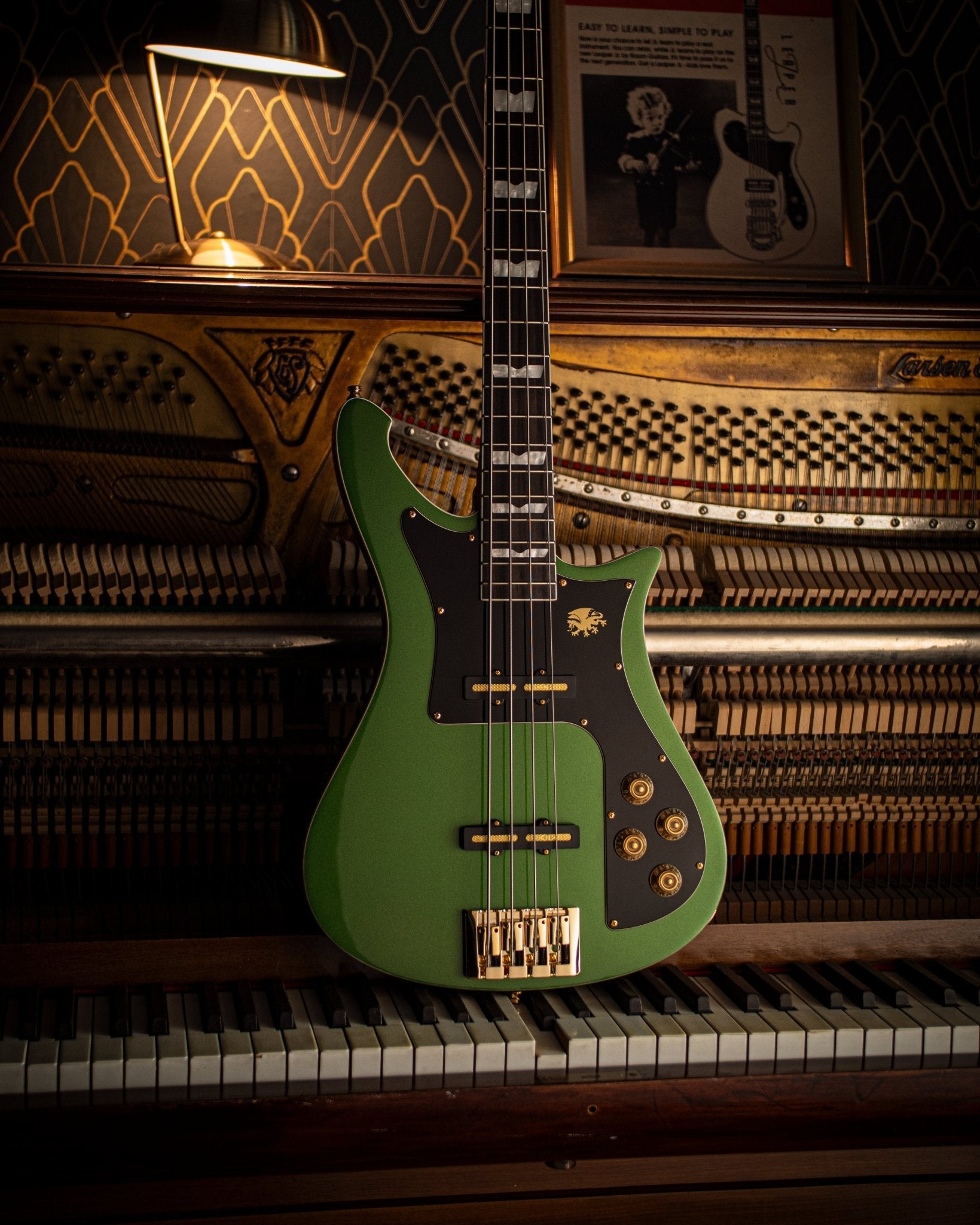
Baum builds both. The J-style voicing lives in the Nidhogg and the Wingman Bass through Goldsound® PowerJab™ single coil pickups. The P-style voicing lives in the Pace Bass through the Goldsound® Lowrider™ split-coil pickup. Same mahogany body wood, same roasted maple neck construction, same Baum Precision Tuners™, different tonal outcomes.
The bass guitar lineup
J-style bass guitars
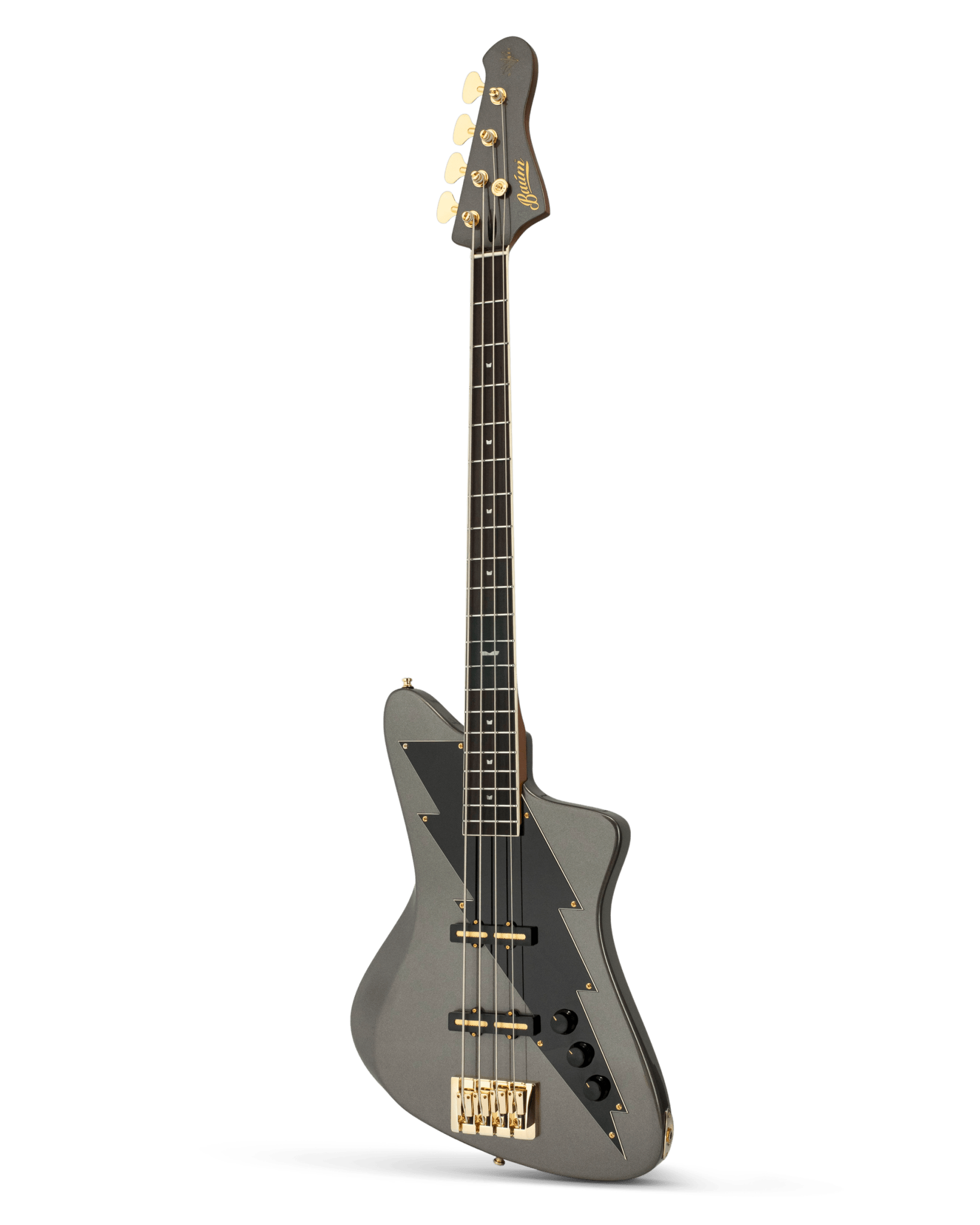
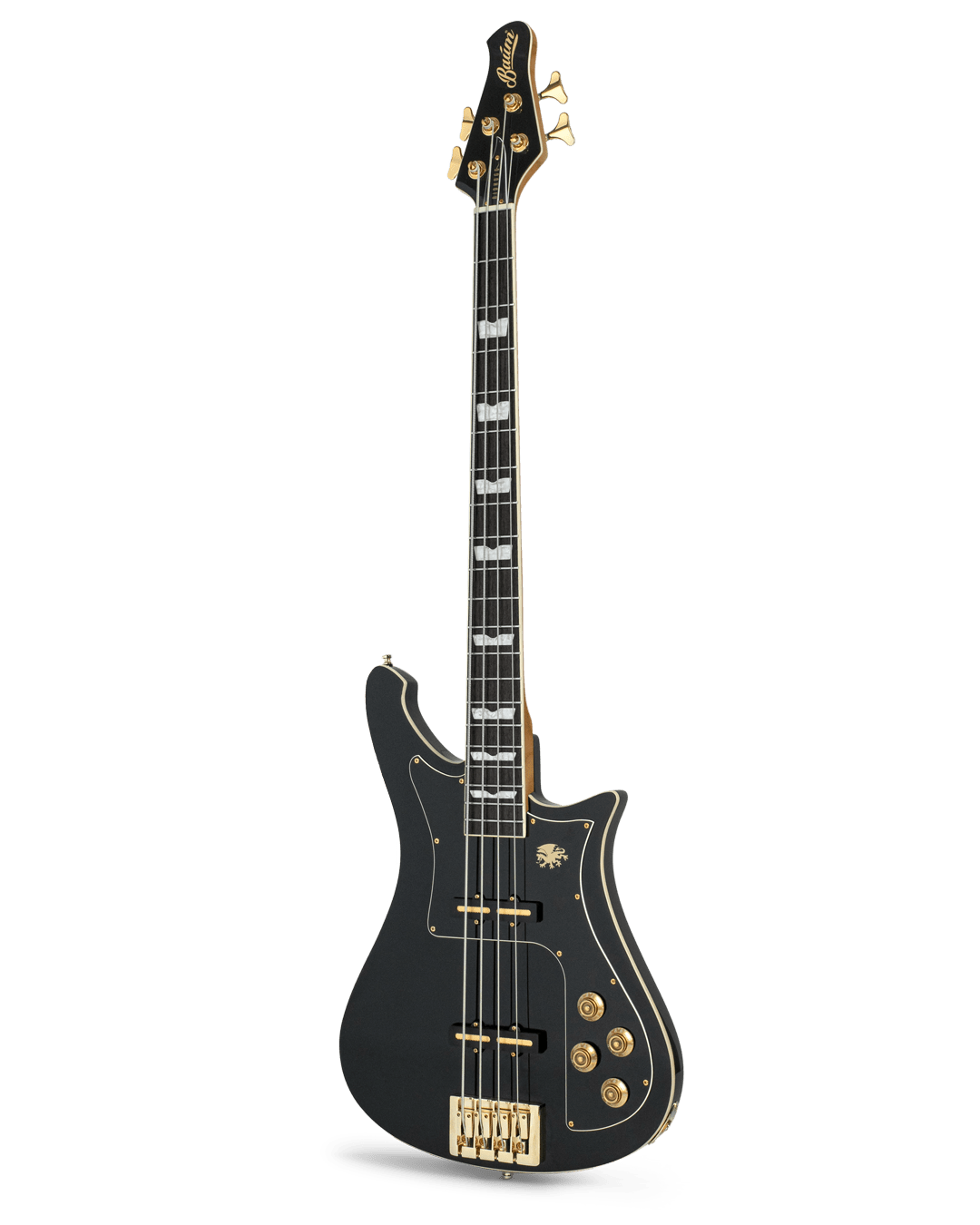
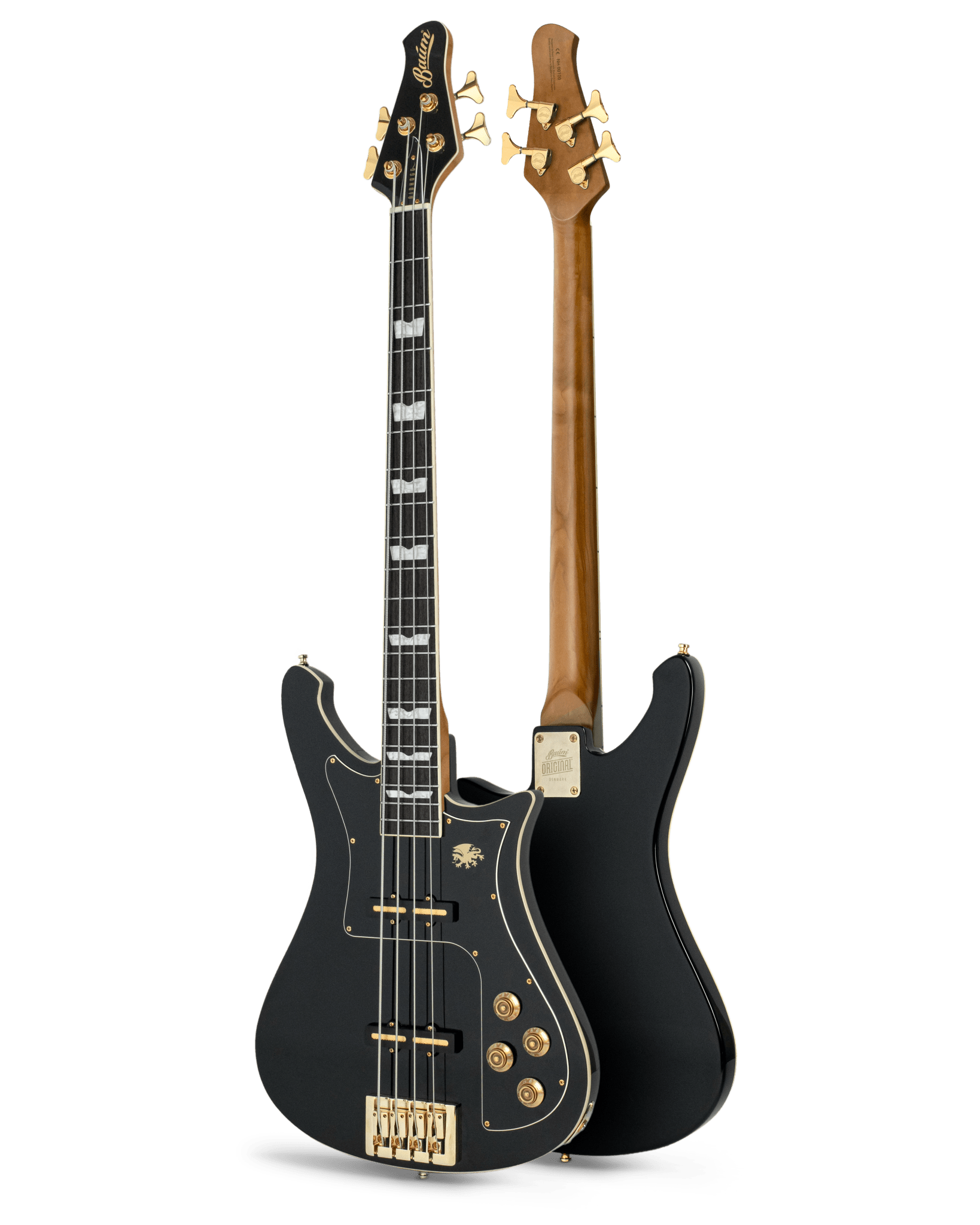
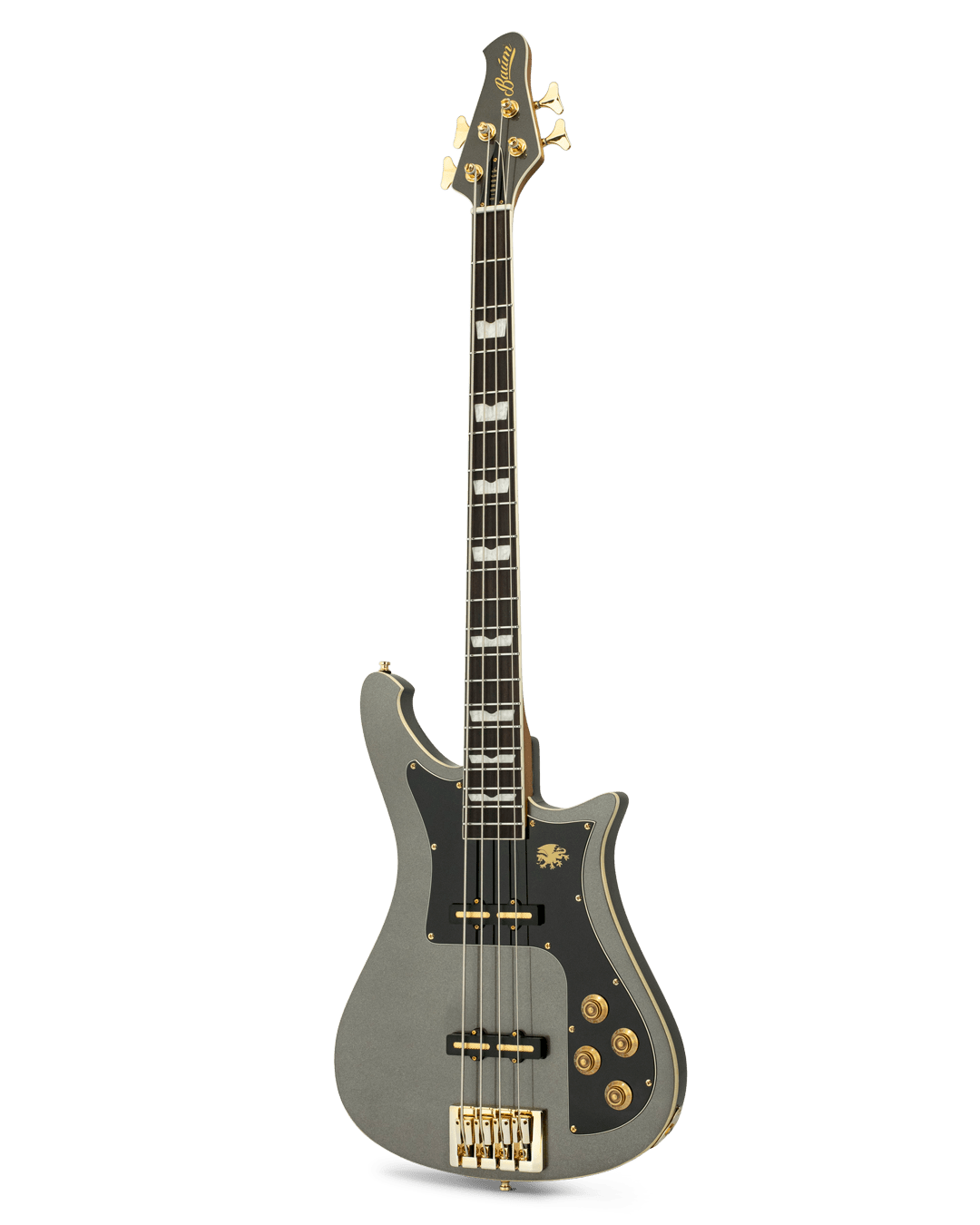
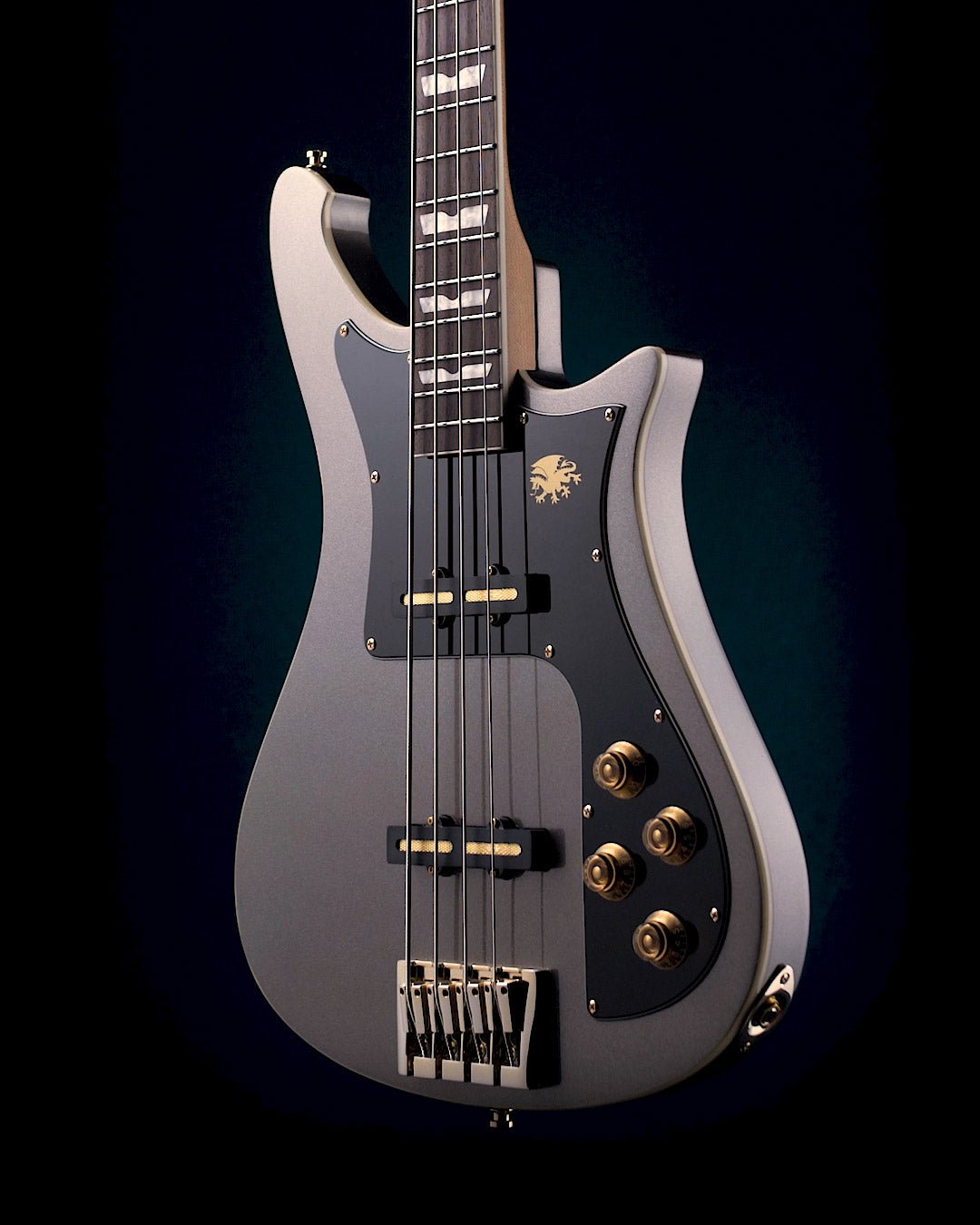
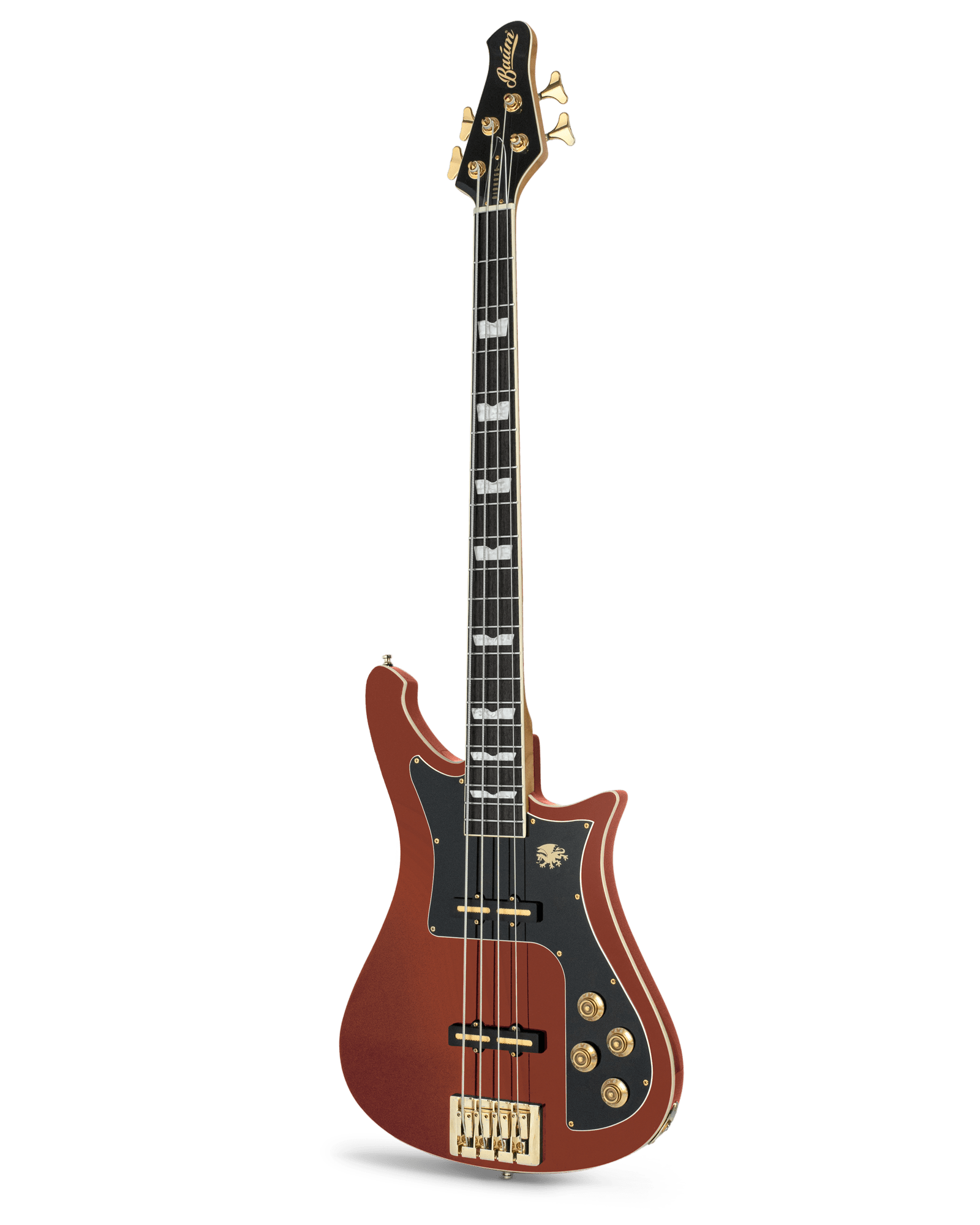
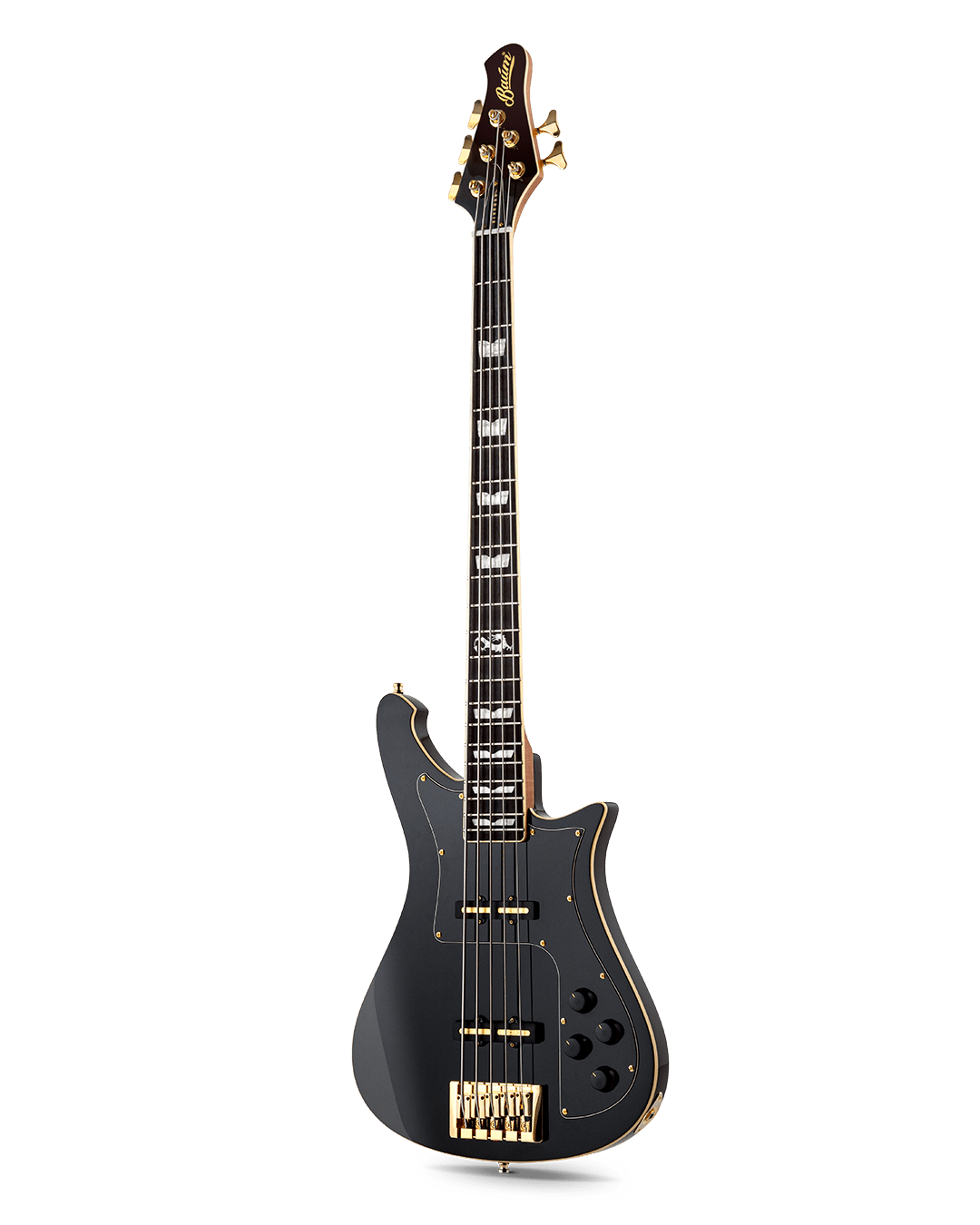
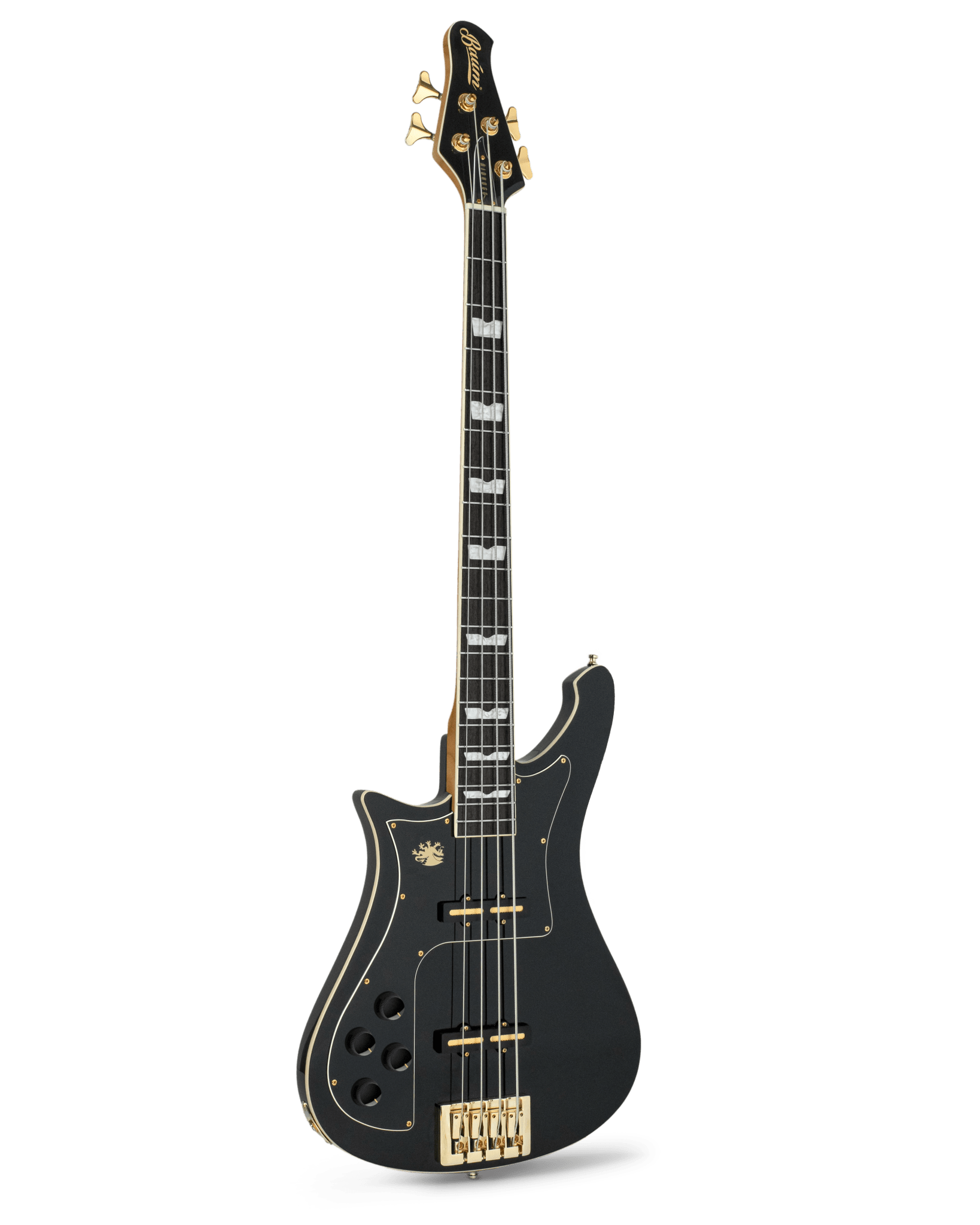
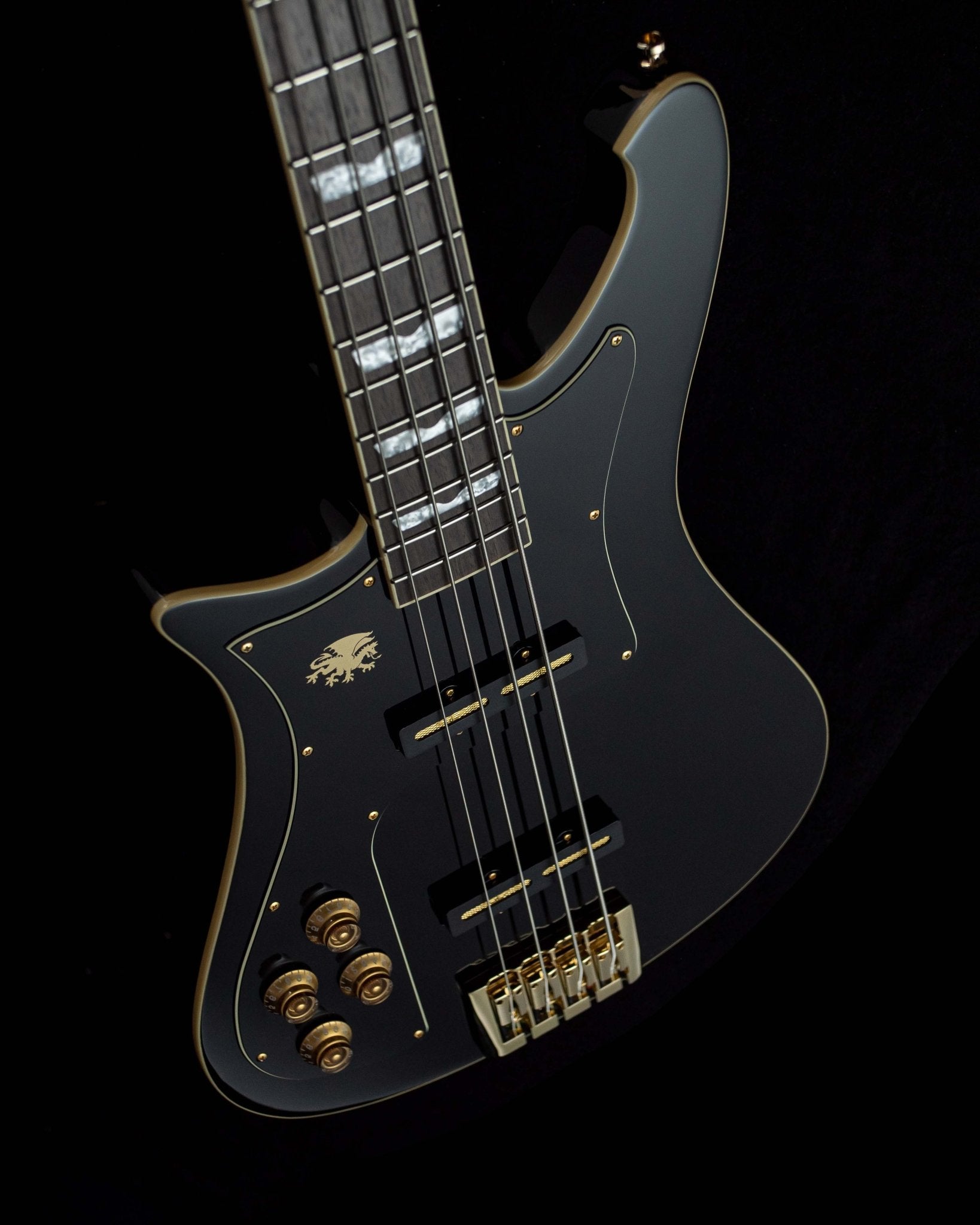
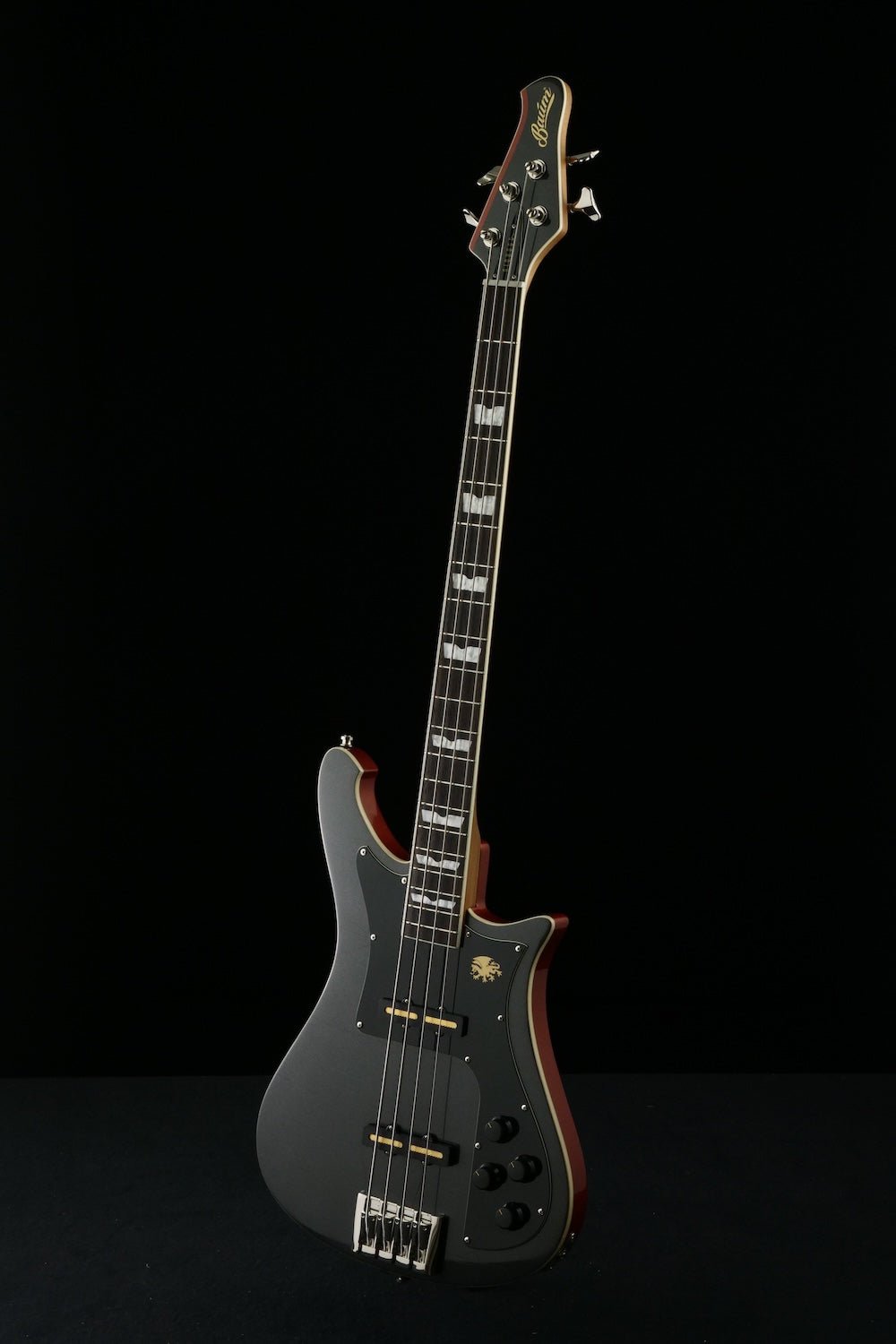
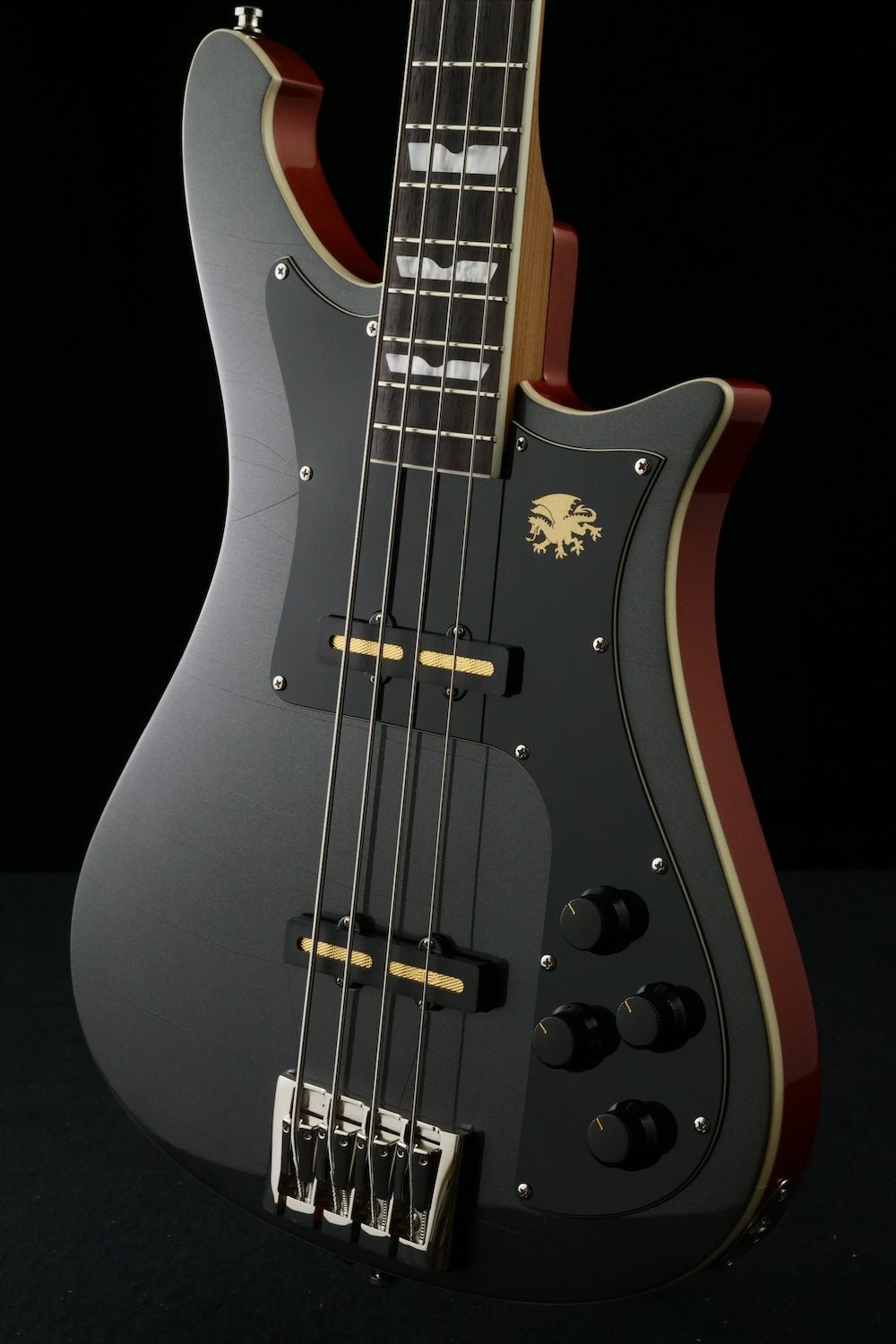
The Nidhogg is Baum's double-cut bass guitar, built around Goldsound® PowerJab™ J-style single coil pickups with Alnico V magnets. The double-cut body shape provides balanced upper-fret access, and the control layout includes a blend knob plus individual neck and bridge tone controls for detailed tonal shaping. The Nidhogg is available as both a 4-string and a 5-string bass guitar, making it the only model in the Baum bass lineup with extended range capability. It won the Platinum award at the MUSE Design Awards, recognition for a bass design that is immediately identifiable without borrowing from anything already on the market. Available in a left handed configuration.
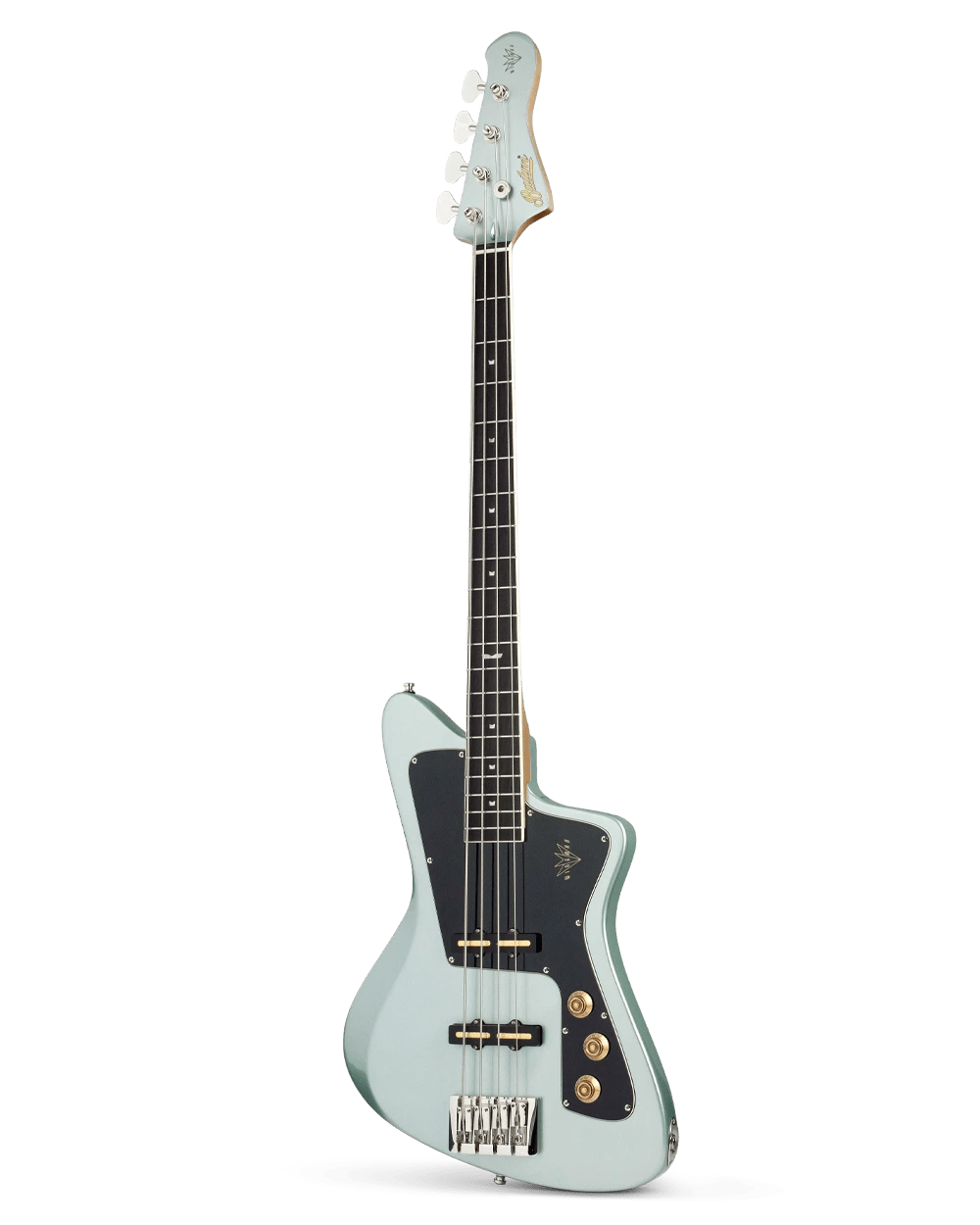
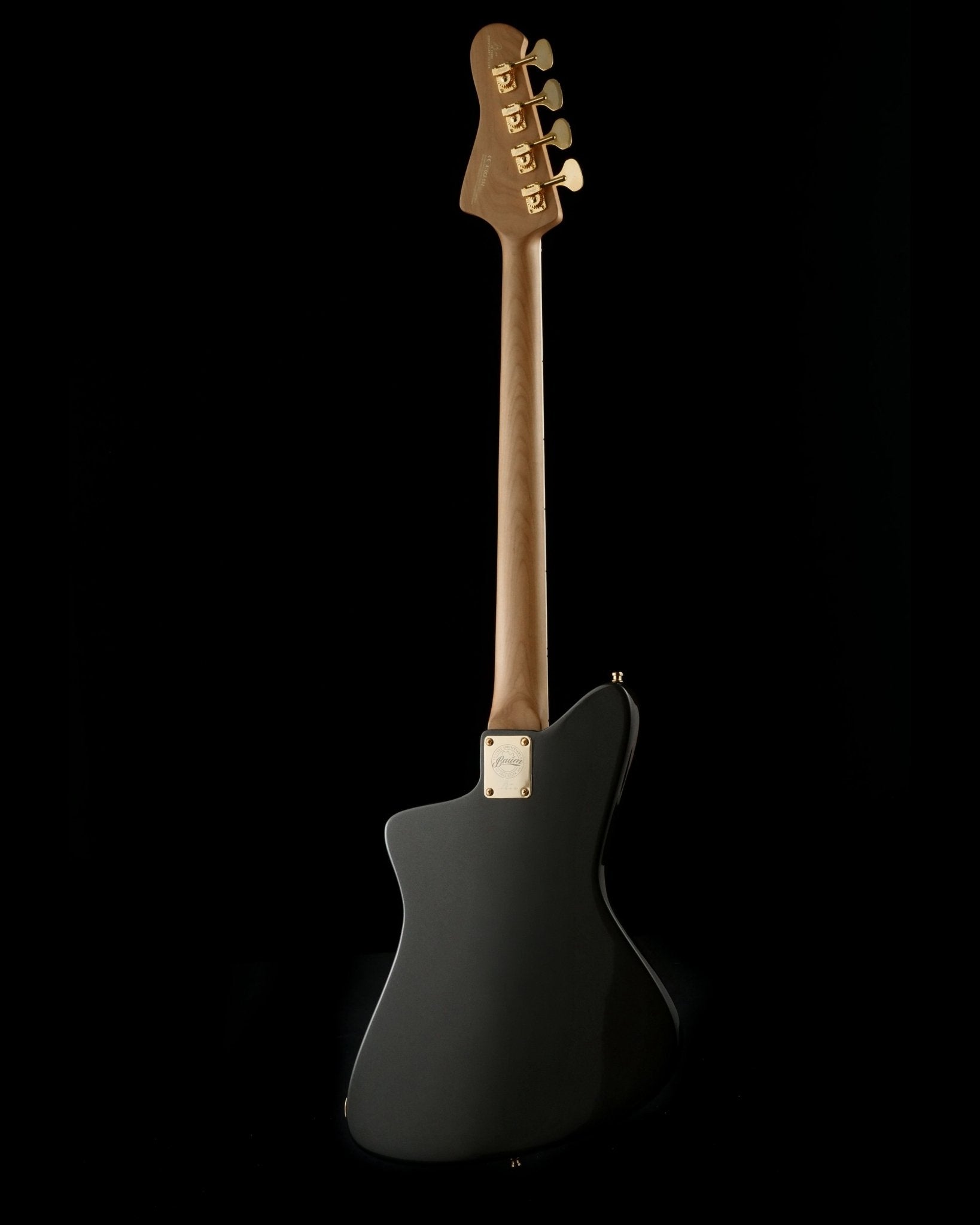
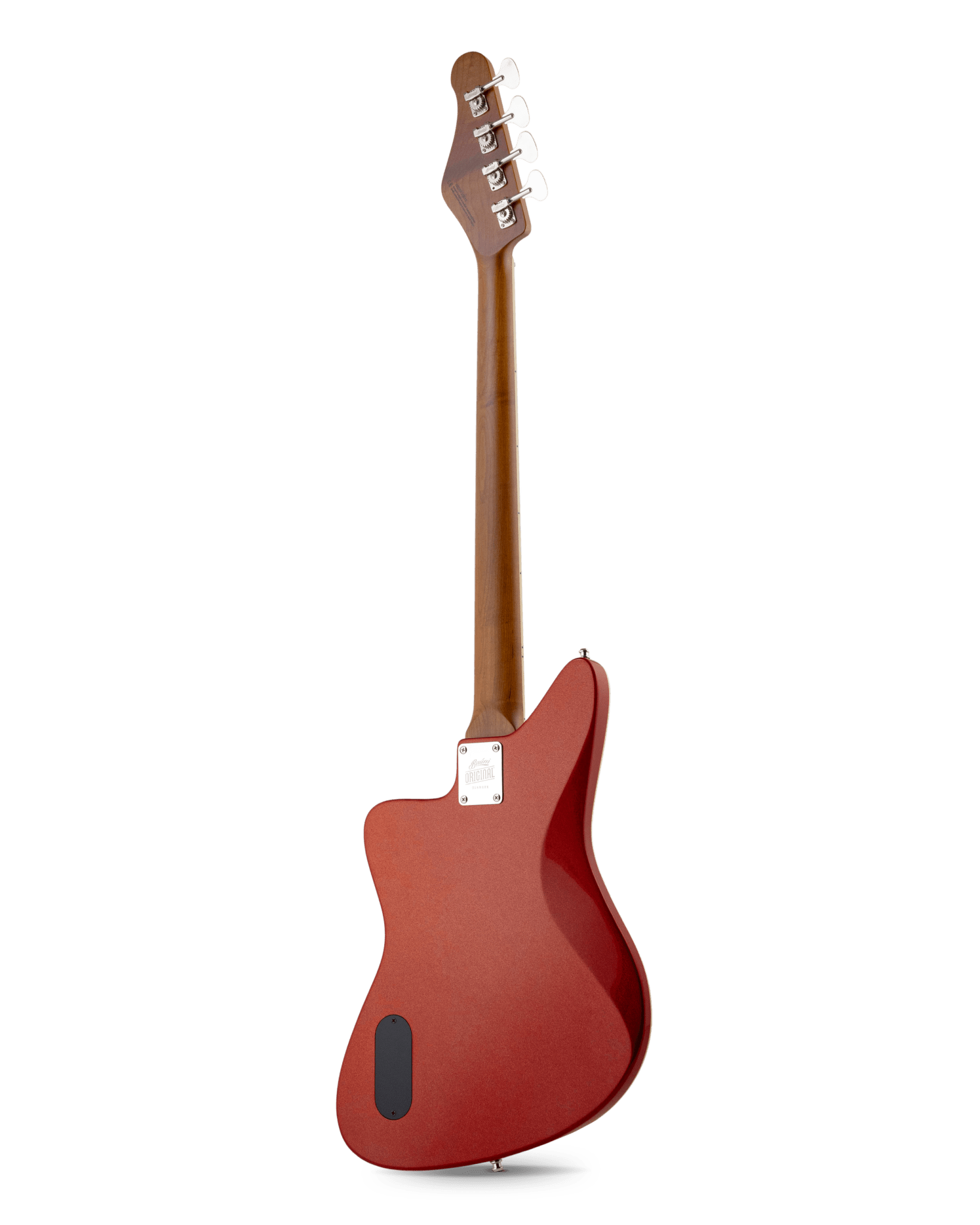
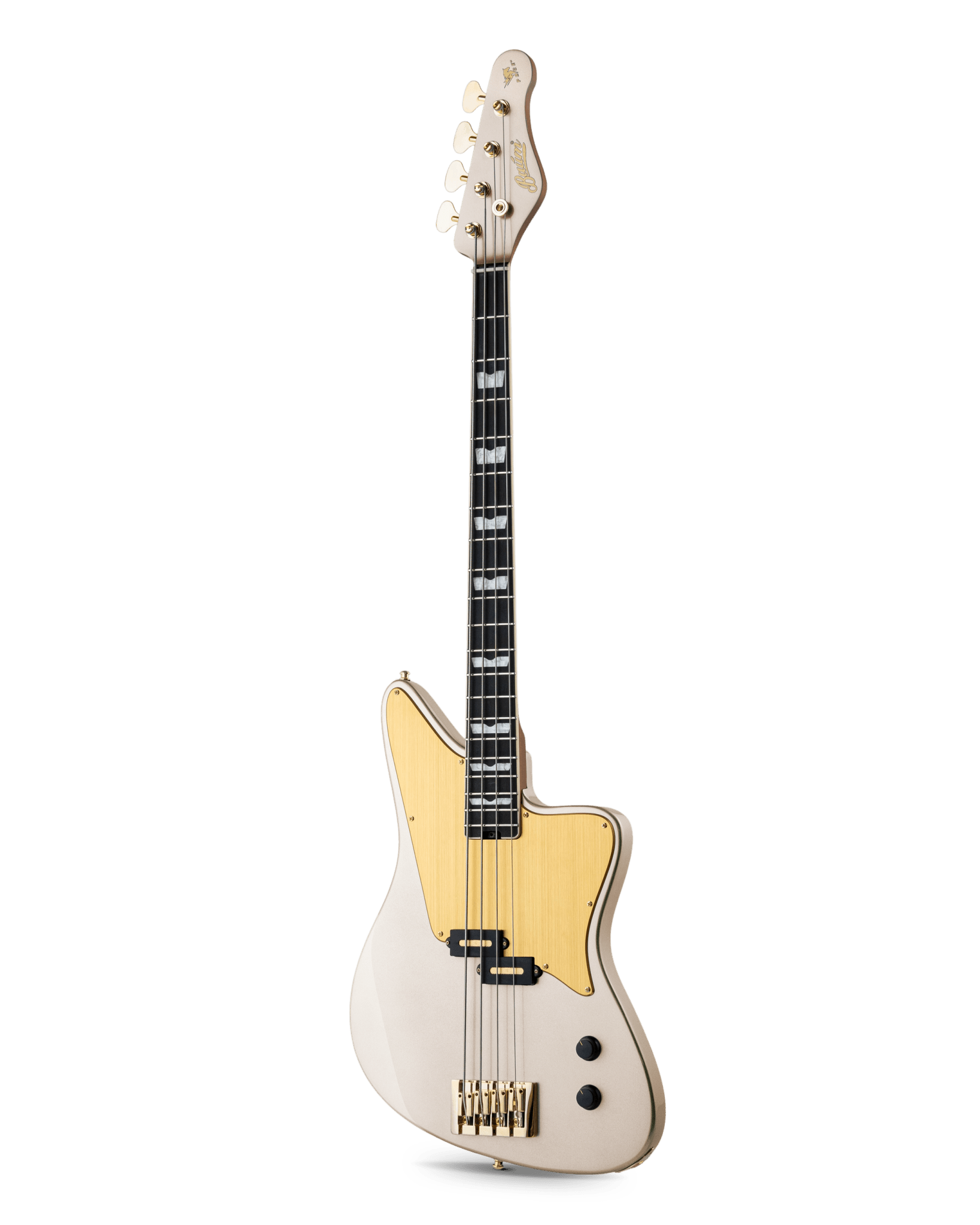
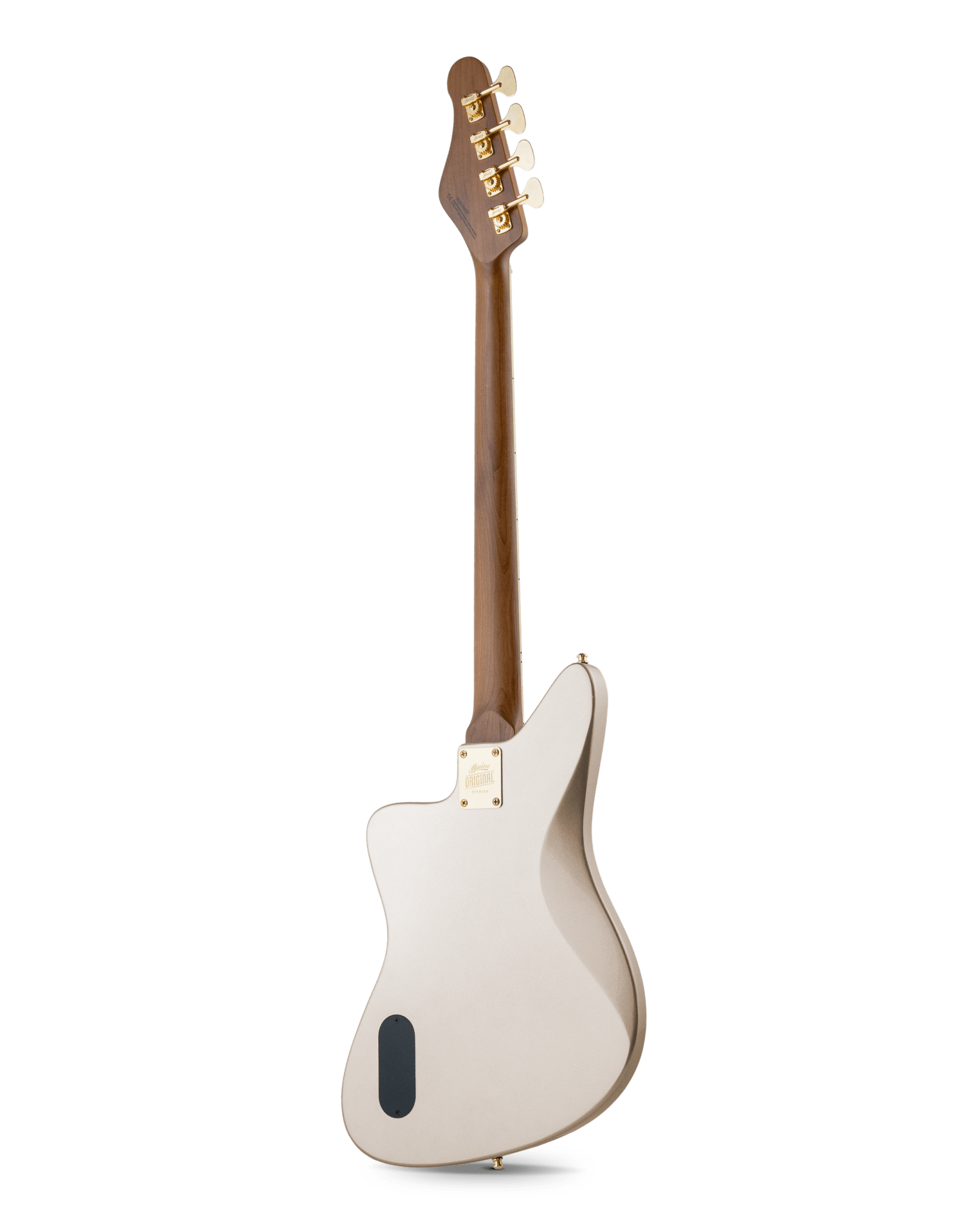
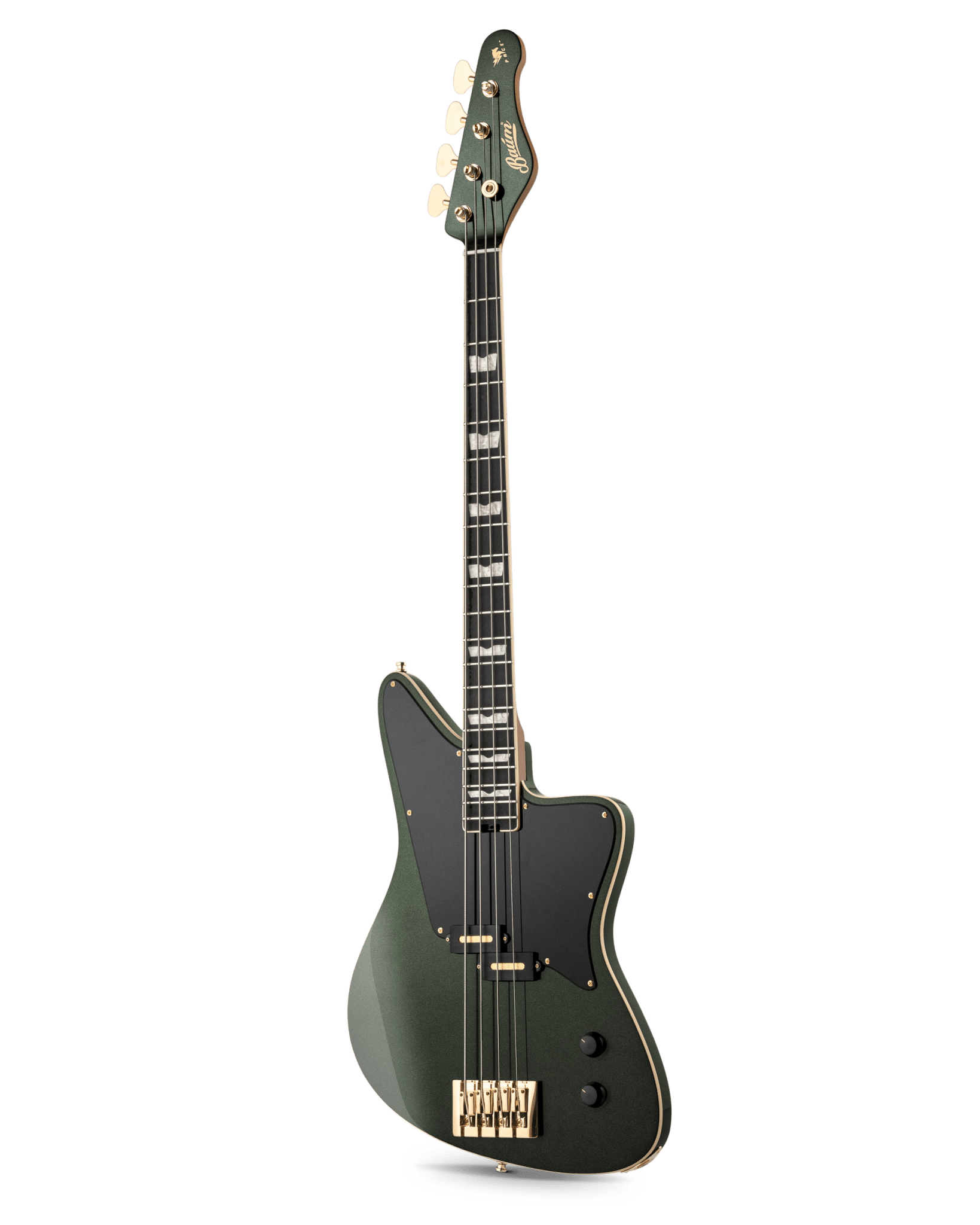
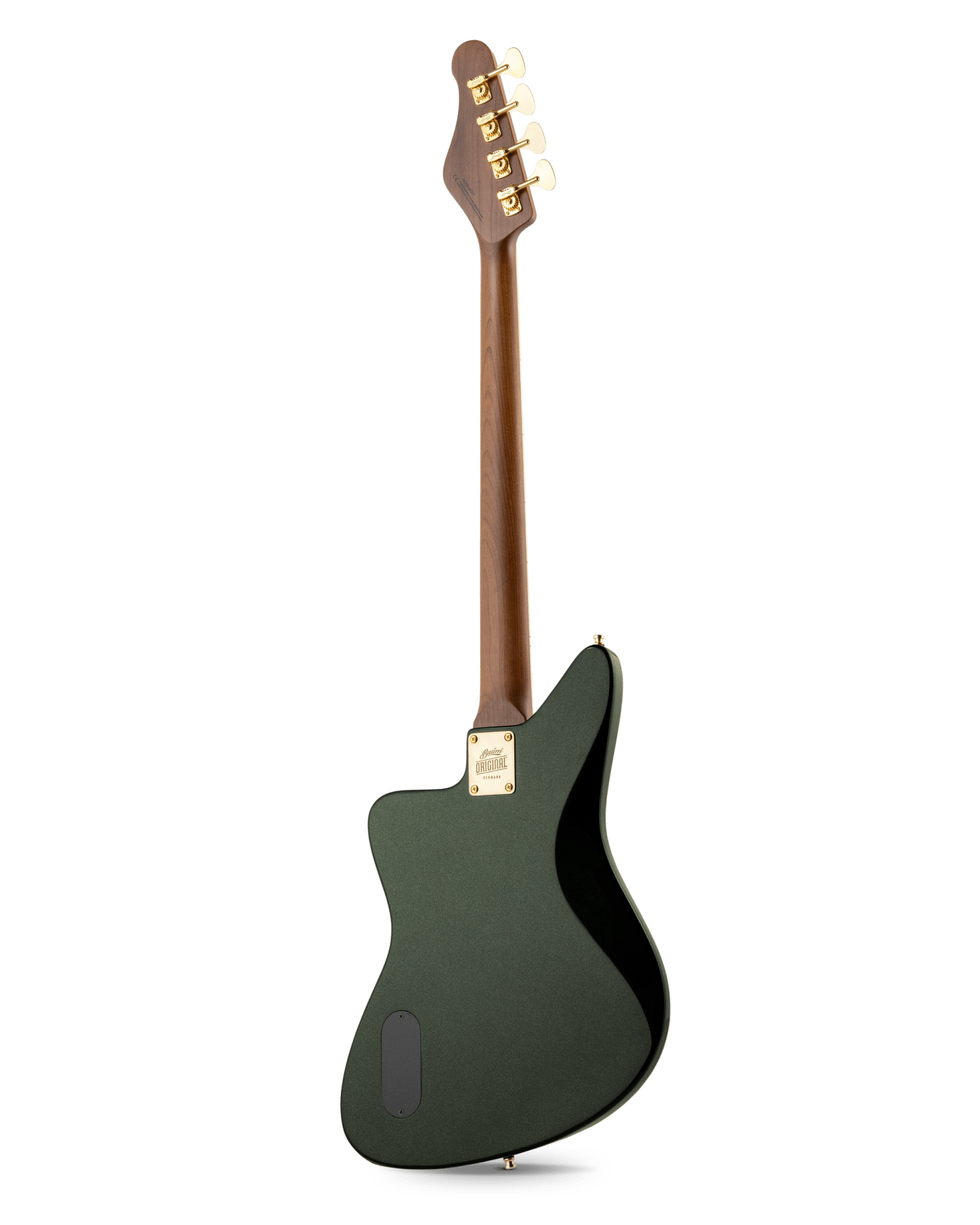
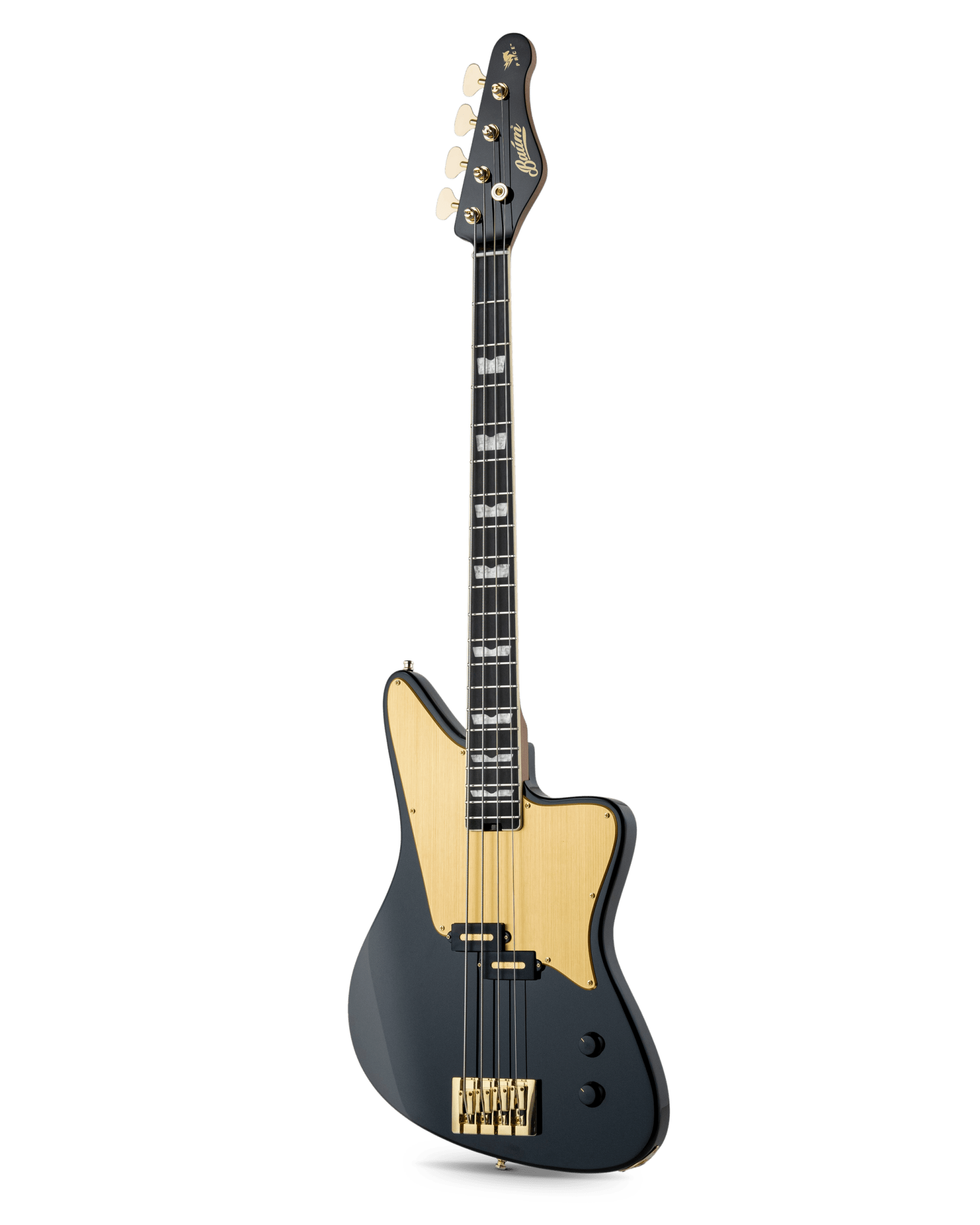
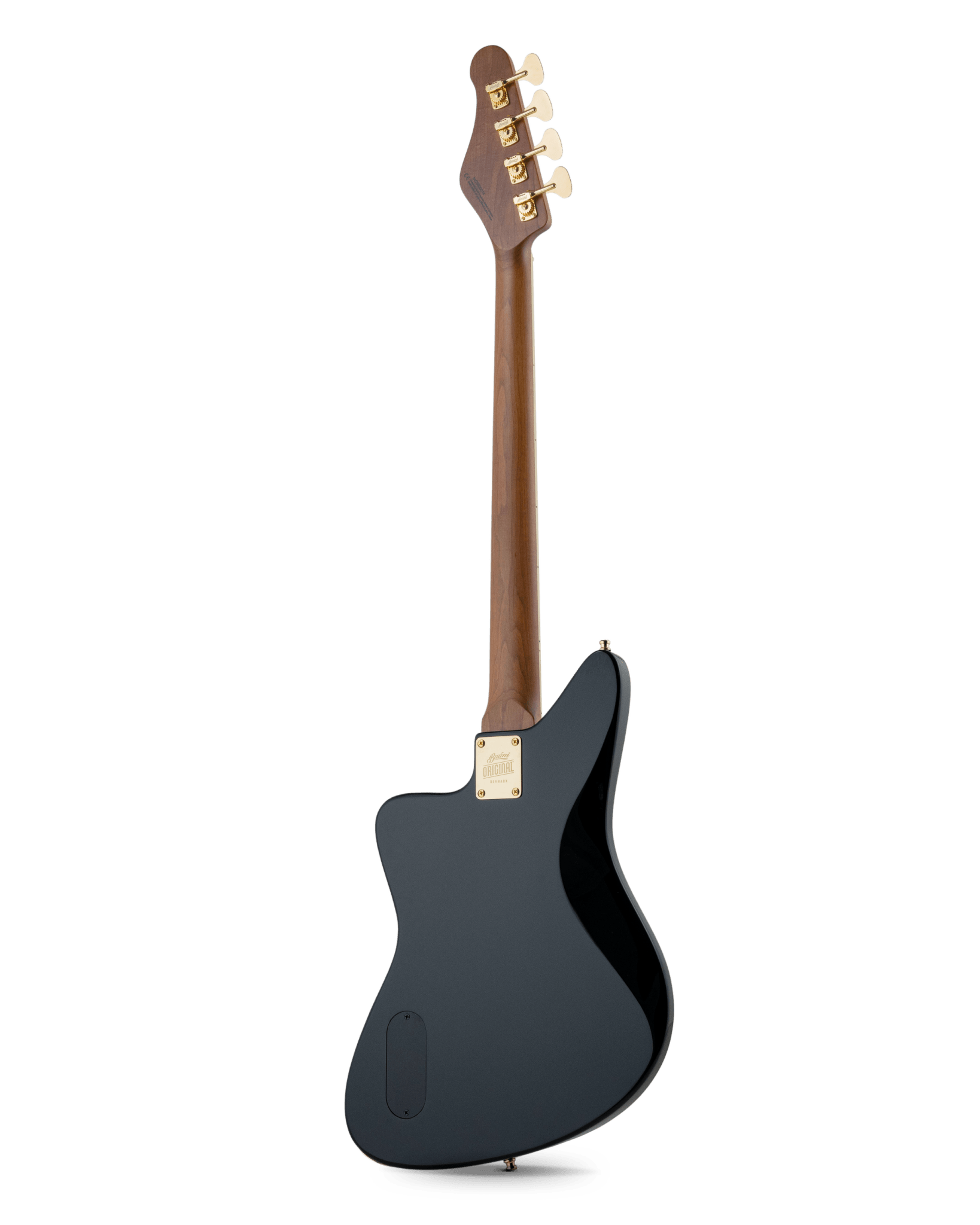
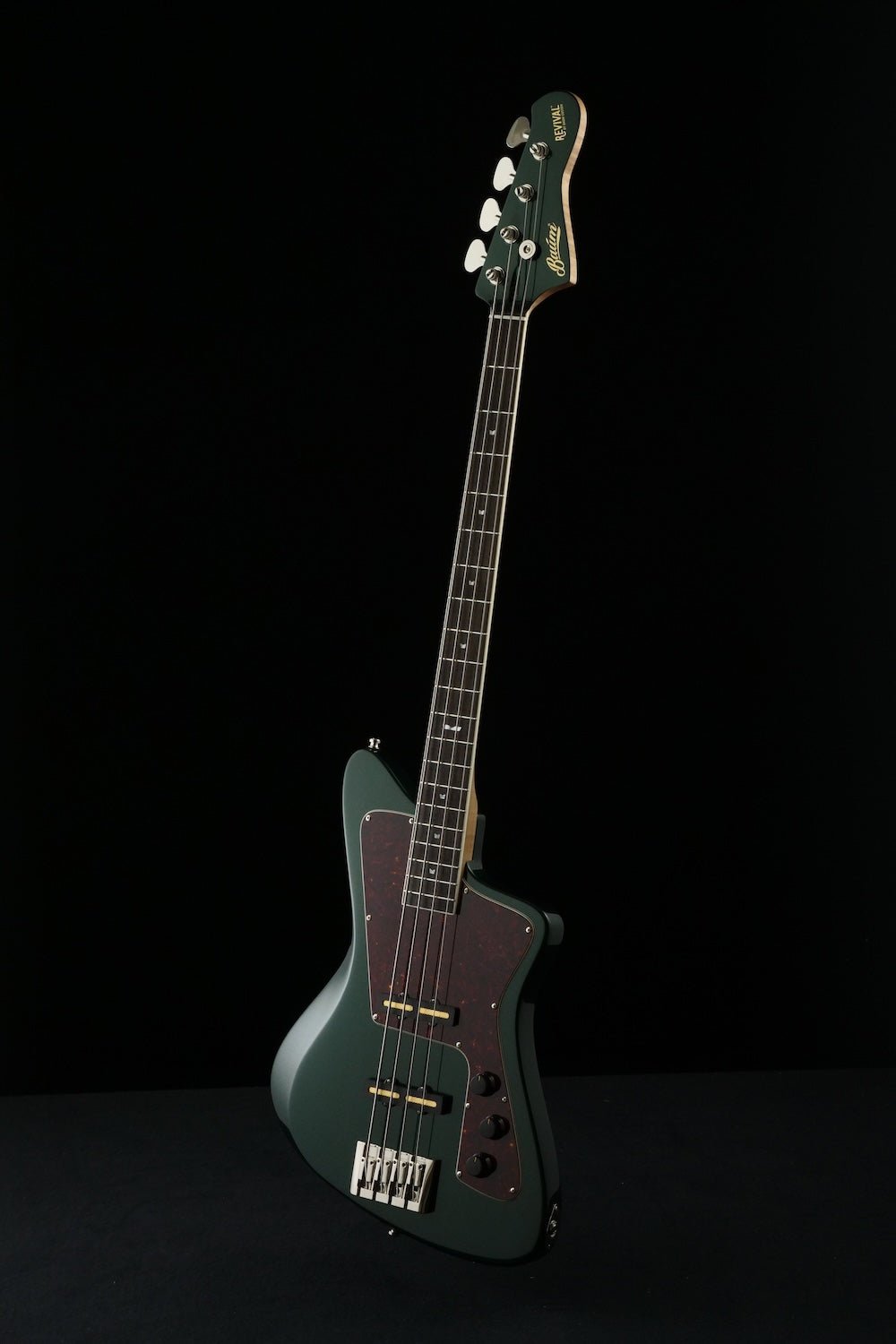
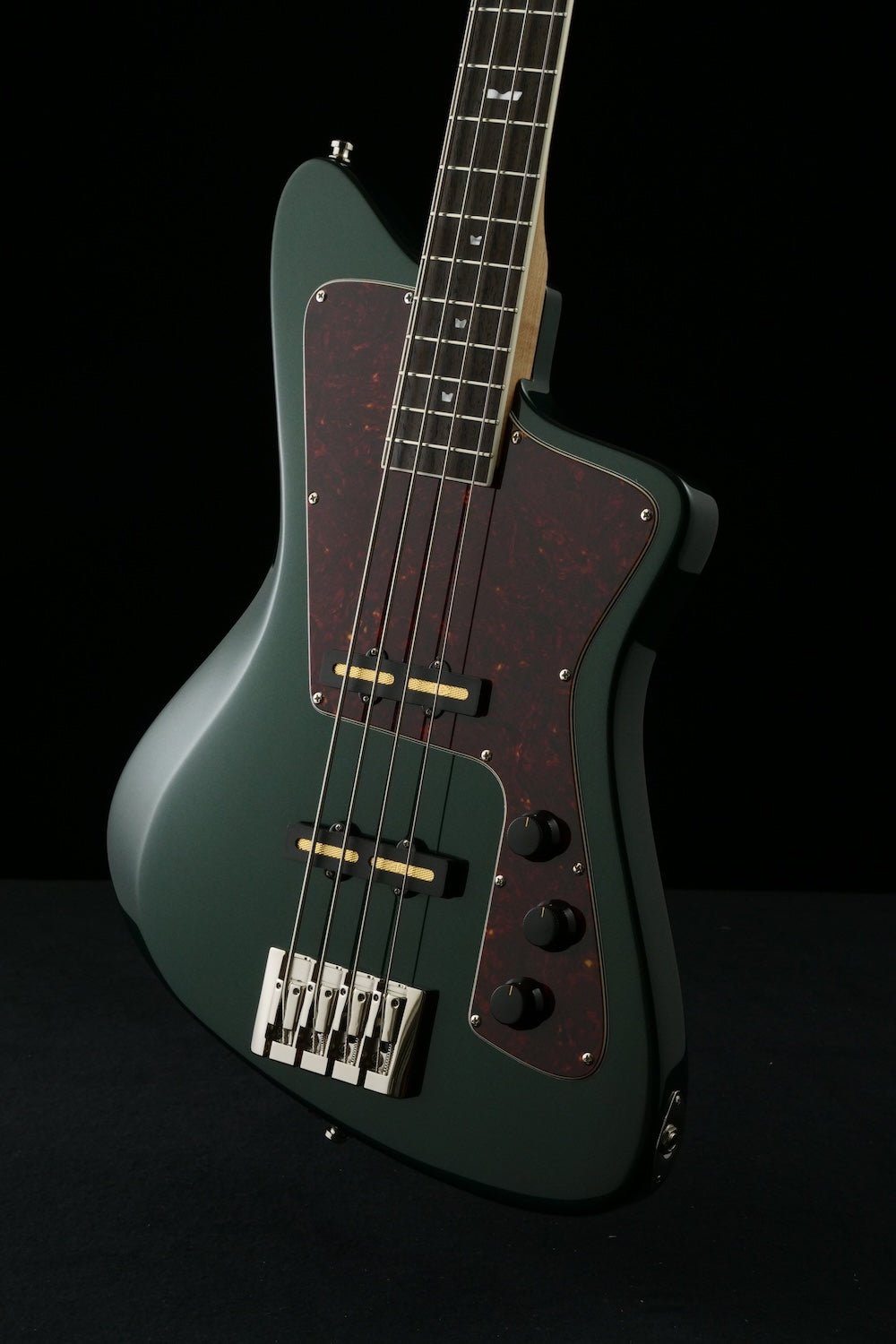
The Wingman Bass shares the same Goldsound® PowerJab™ J-style pickups as the Nidhogg but places them in an offset body shape that changes the playing balance and ergonomic character. The Wingman Bass is lighter at 3.4 kg, uses a simplified control layout with master tone rather than individual pickup tone controls, and delivers the same J-style articulation in a format that sits differently on the strap. For players who have tried offset electric guitars and found the balance works for them, the Wingman Bass brings that same playing position to the bass platform.
P-style bass guitar
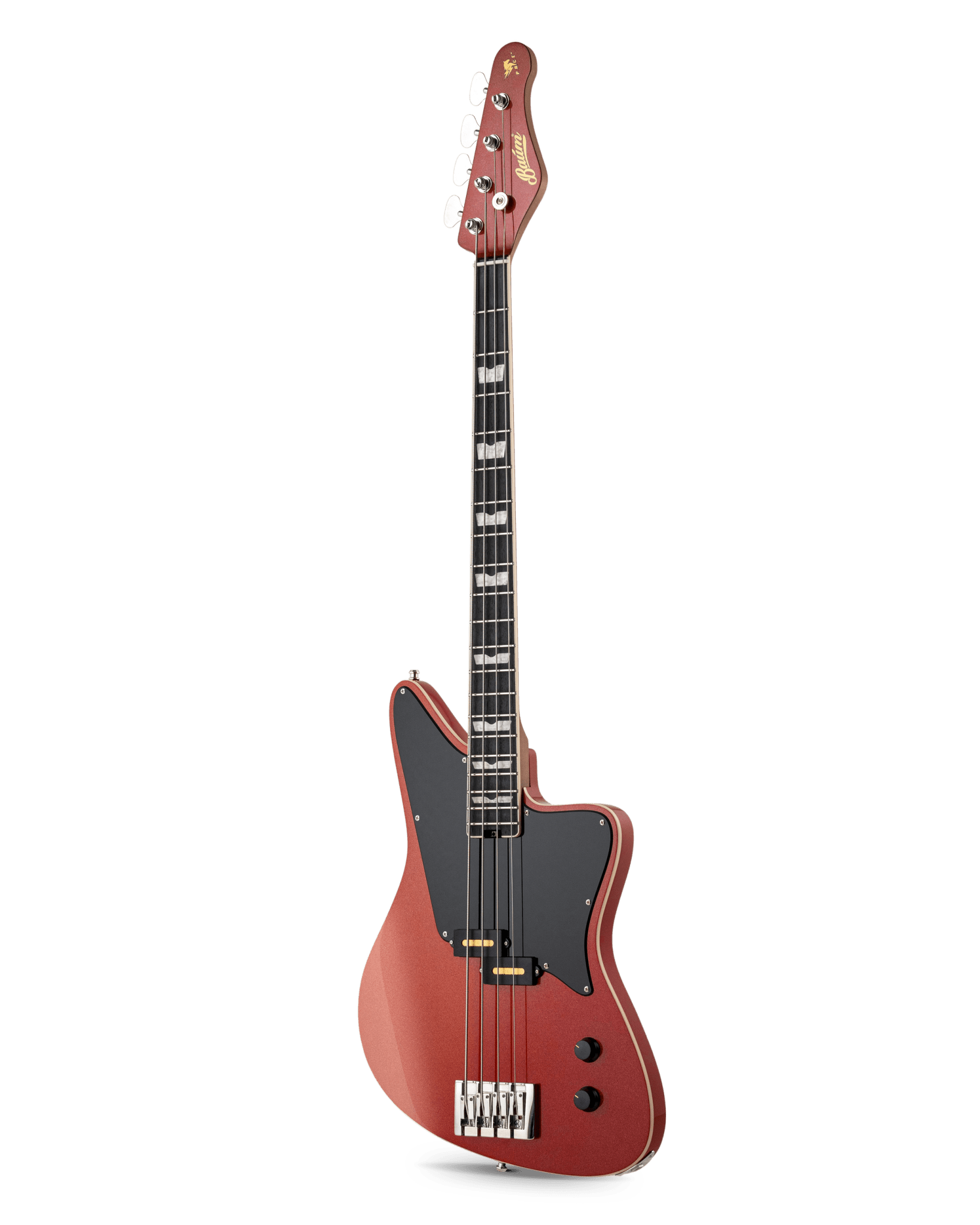
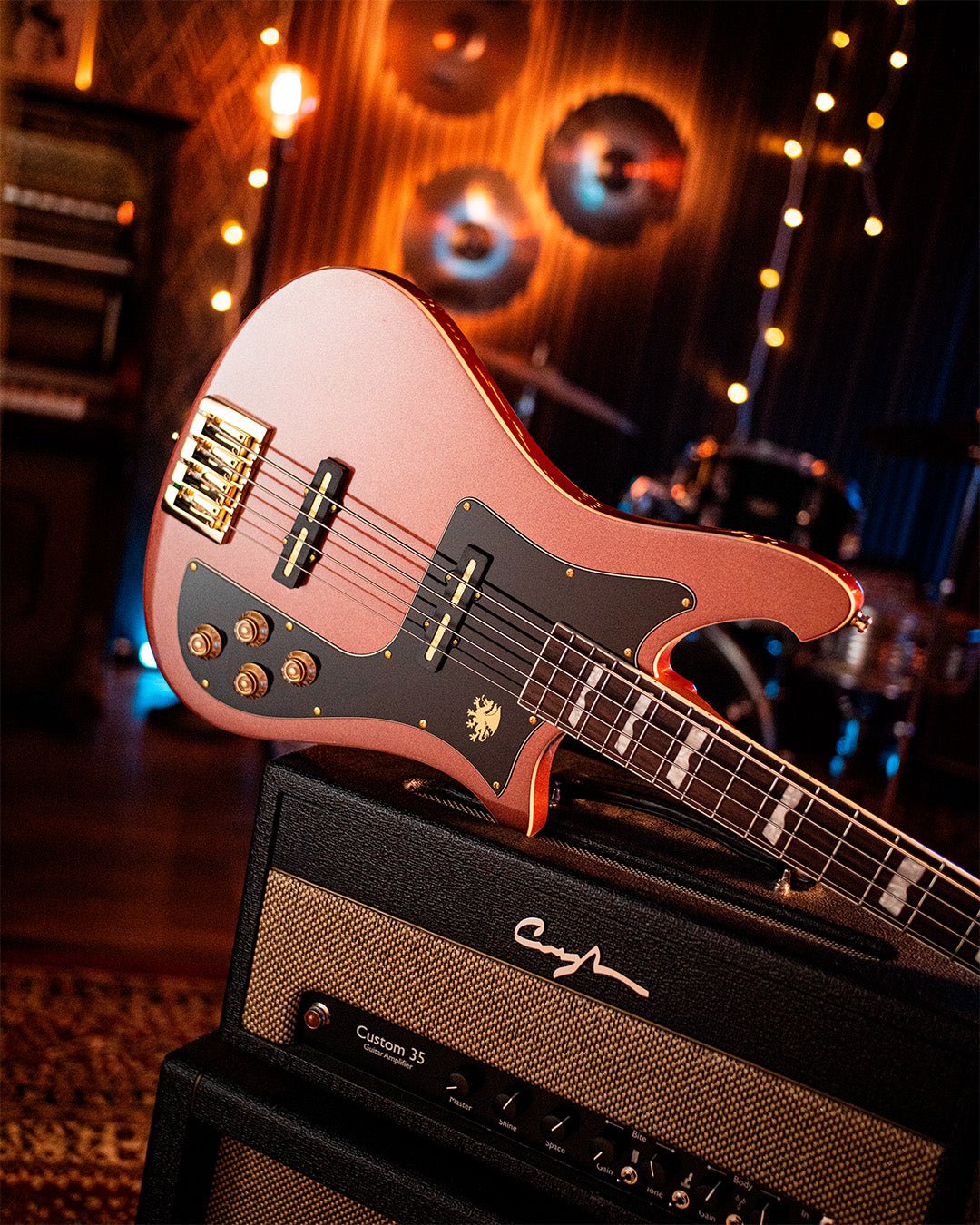
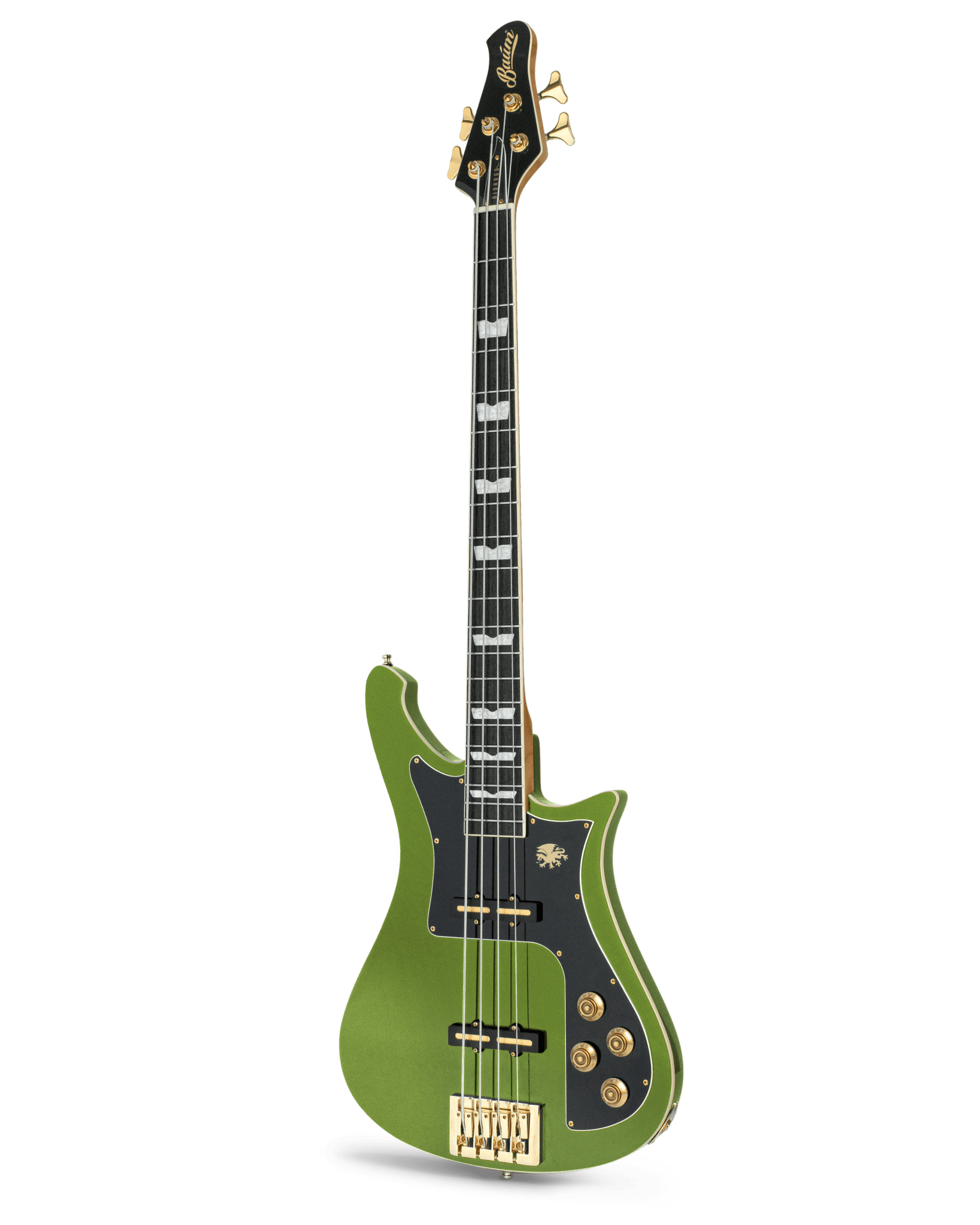
The Pace Bass is Baum's take on the most iconic bass tone in recorded music. Built around the Goldsound® Lowrider™ split-coil pickup with Alnico V magnet wound to 9.5K, the Pace delivers the warm, punchy P-style bass tone with a character that is entirely its own. The body shape is a new Baum design that references no existing bass silhouette, with a Cobra™ headstock and 22 frets rather than the 20 on the J-style models. The controls are stripped back to master volume and master tone, which is the traditional P-style approach and the right one for a pickup voicing that works best when the signal chain stays simple and passive.
4-string and 5-string bass configurations
The standard bass guitar configuration is 4 strings tuned E-A-D-G, and every model in the Baum bass lineup is available as a 4-string bass guitar. For players who need extended low-range access, the Nidhogg is also available as a 5-string bass guitar with an additional low B string that extends the range down to the sub-bass frequencies used in modern rock, metal, gospel, R&B and contemporary worship music.
The 5-string Nidhogg uses the same PowerJab™ J-style pickups, roasted maple neck and top-loaded bridge as the 4-string version. The wider neck accommodates the additional string without compromising the Modern C profile that defines the Nidhogg's playing feel. For bass players working in genres where a low B is standard rather than optional, the 5-string Nidhogg removes the need to downtune a 4-string bass guitar and lose string tension in the process.
Offset and double-cut bass styles
The Baum bass lineup covers two body style categories that affect playing ergonomics and visual identity.
Offset bass guitars use the asymmetric body shape that Baum has built across the electric guitar lineup, shifting the center of gravity and changing how the instrument balances on the strap. The Wingman Bass is the primary offset bass in the collection, delivering the J-style voicing in an offset format.
Double-cut bass guitars use a symmetric double-cutaway design that provides balanced upper-fret access from both sides of the neck joint. The Nidhogg is the double-cut bass in the lineup, available in both 4-string and 5-string configurations.
The Pace Bass introduces its own body geometry that Baum describes as an entirely new silhouette. It sits outside the traditional offset and double-cut categories, which is a deliberate design decision rather than a compromise between the two.
45 days to find your bass voice
Bass guitars are foundational instruments. The tone you choose affects every other instrument in the band, every mix decision in the studio, and every arrangement you play live. J-style or P-style. 4-string or 5-string. Offset or double-cut. Those are decisions that benefit from real playing time rather than a quick test in a music store. Baum doesn't sell through retailers, so every bass guitar in the lineup ships direct from Denmark, set up by hand in Aarhus, and comes with a 45-day home trial to test it across the situations you actually play in.