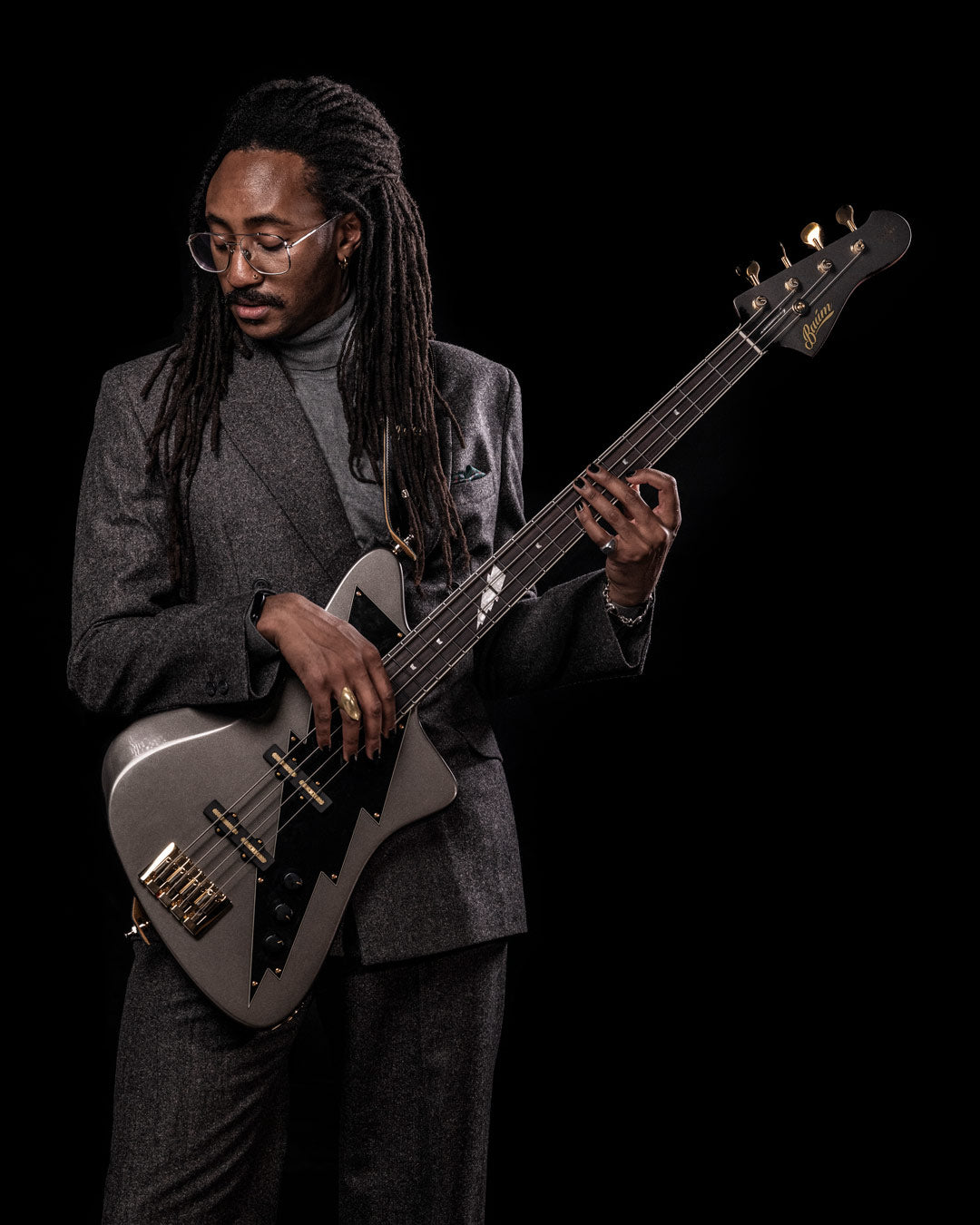
Where offset meets semi-hollow
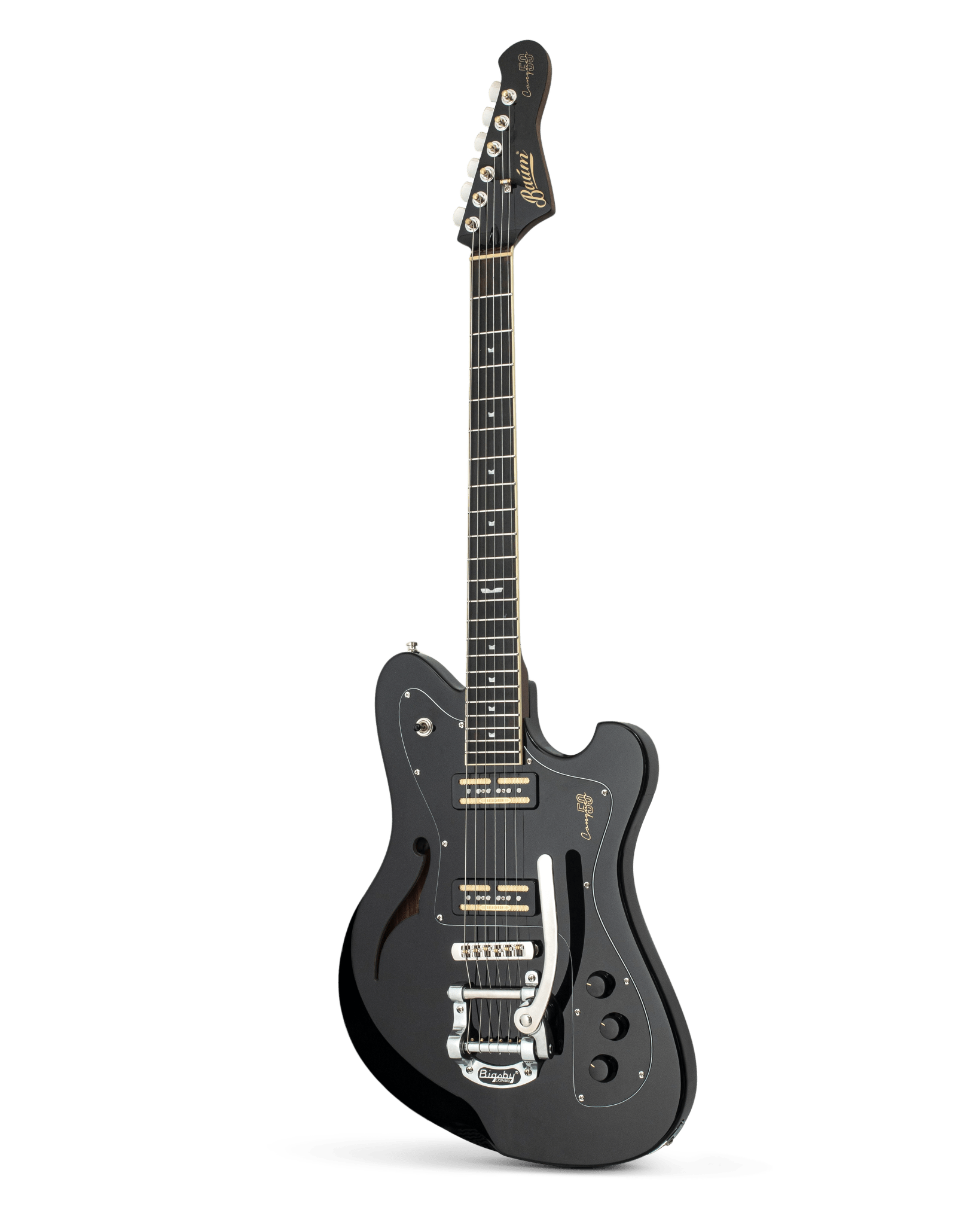
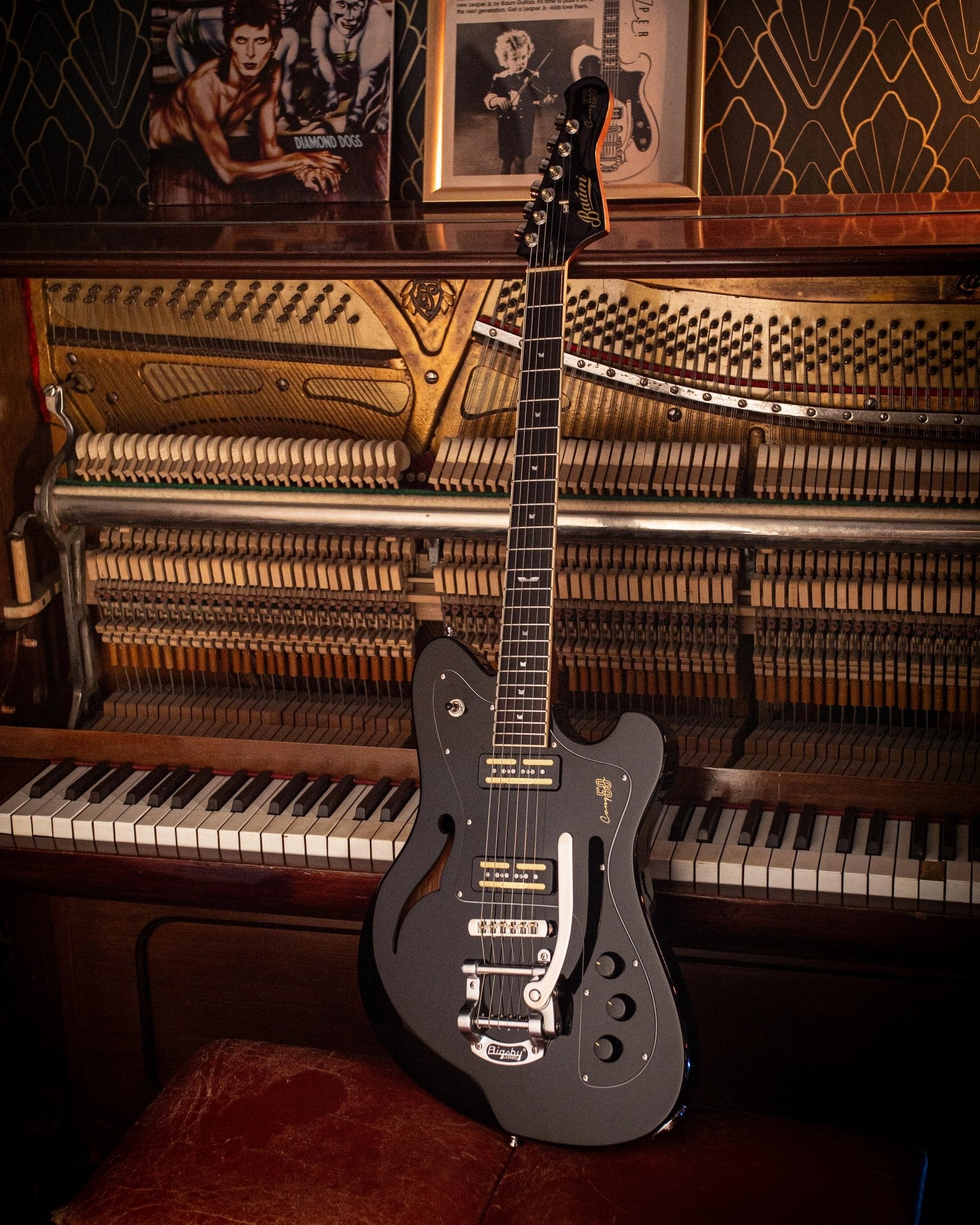
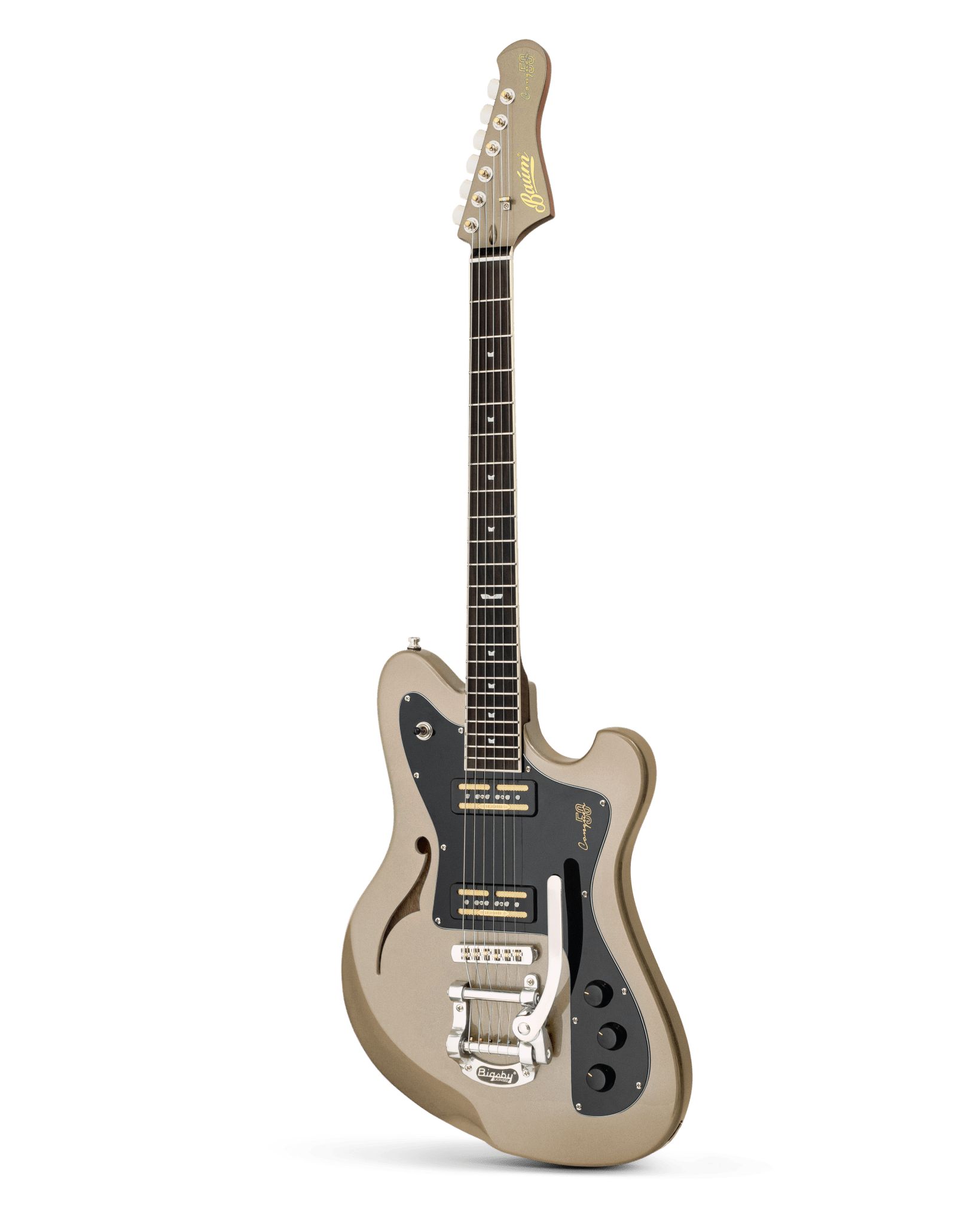
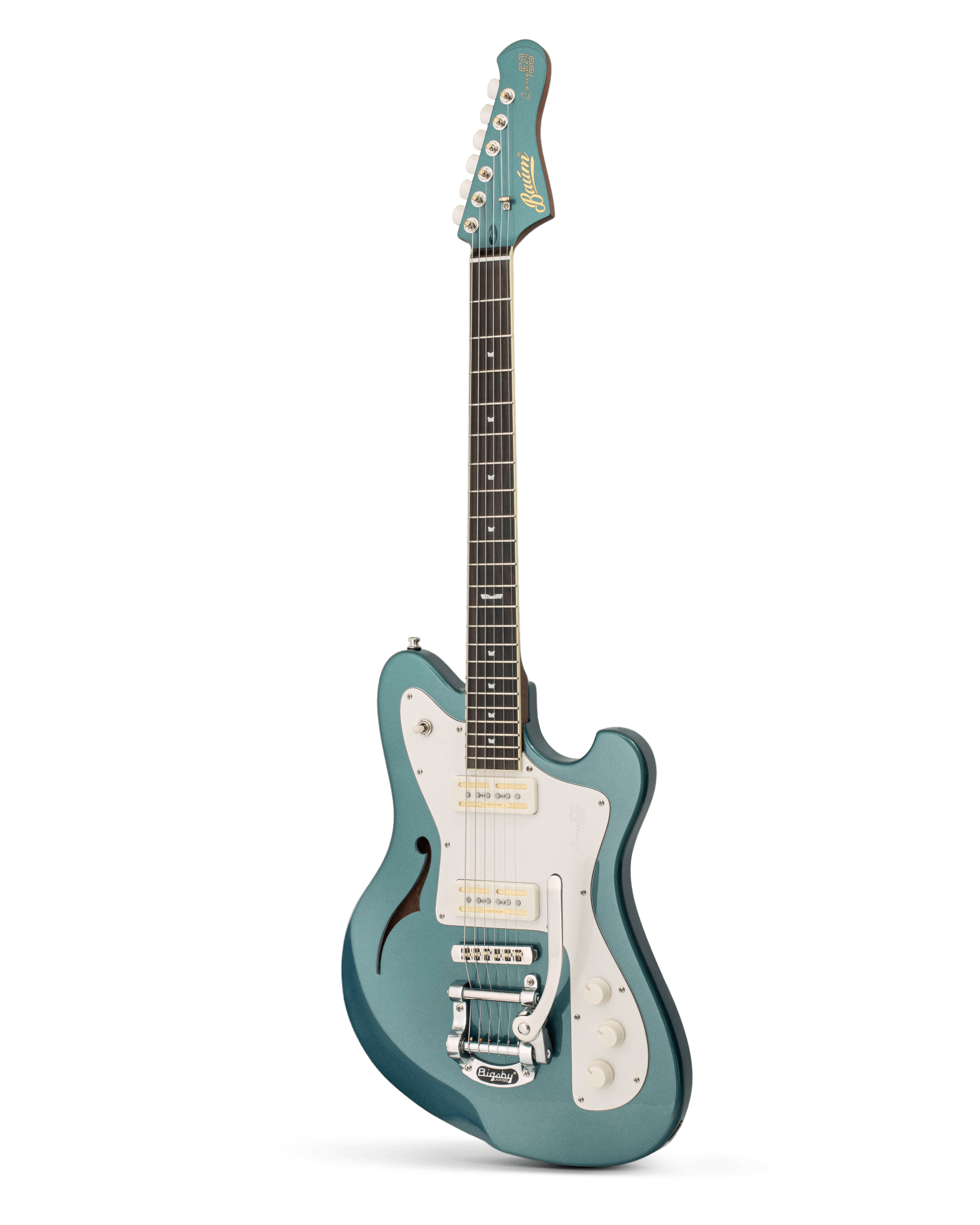
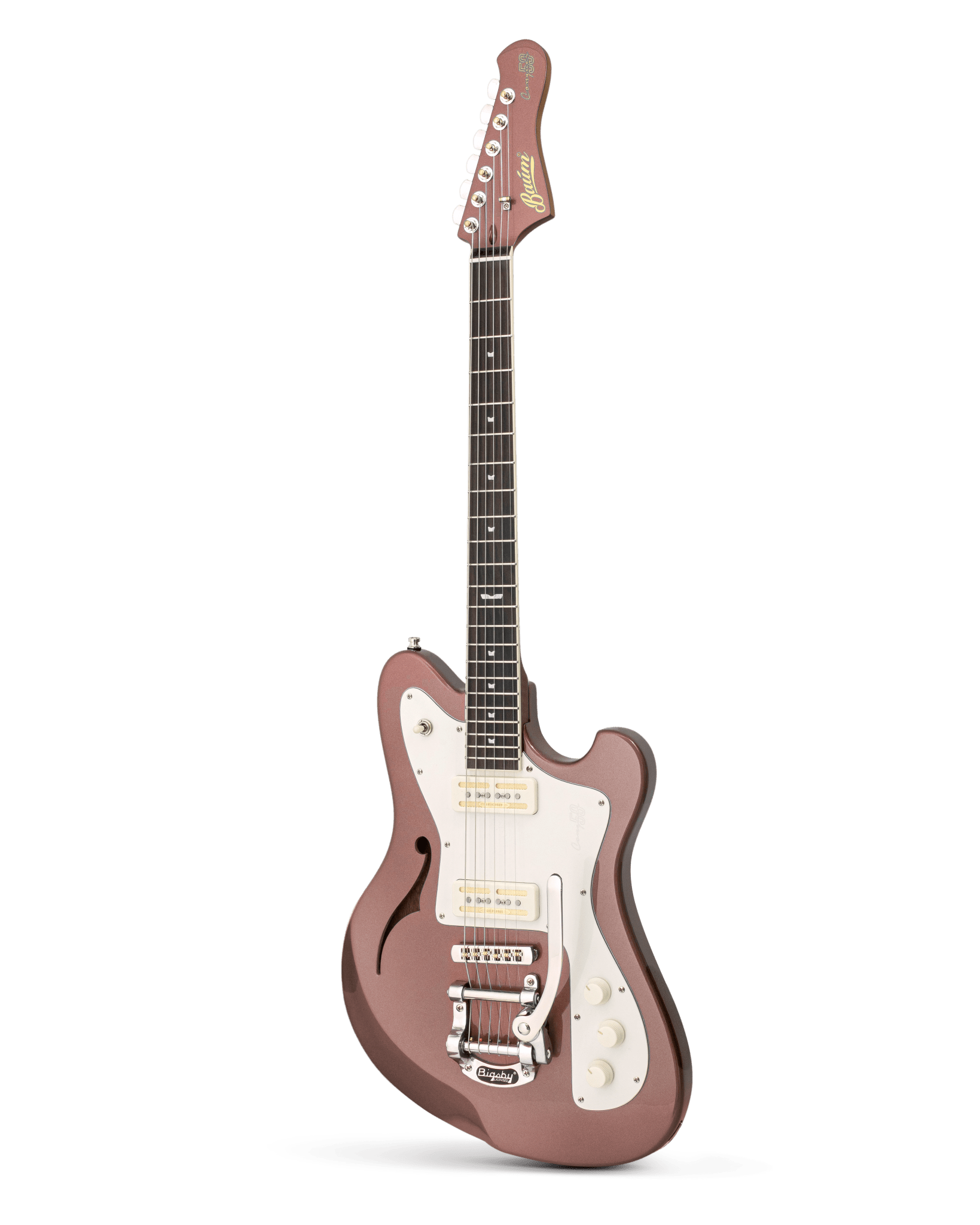
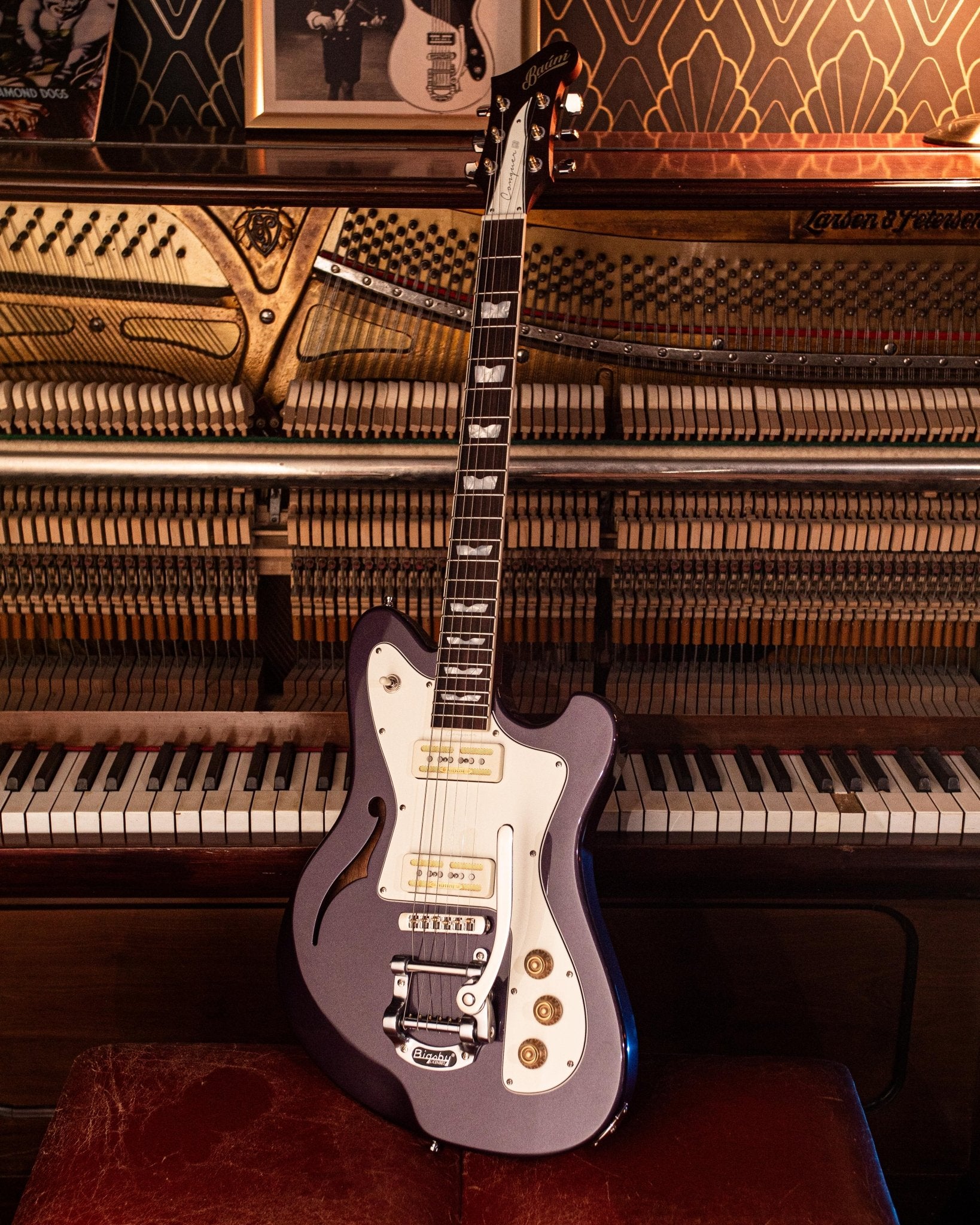
The semi-hollow electric guitar has a specific tonal signature that solid body guitars cannot replicate. Air moving inside the body adds resonance, complexity and a kind of three-dimensional response that defines the format. What Baum did with the Conquer 59 is take that semi-hollow body construction and apply it to an offset form factor, which is not a combination most builders attempt.
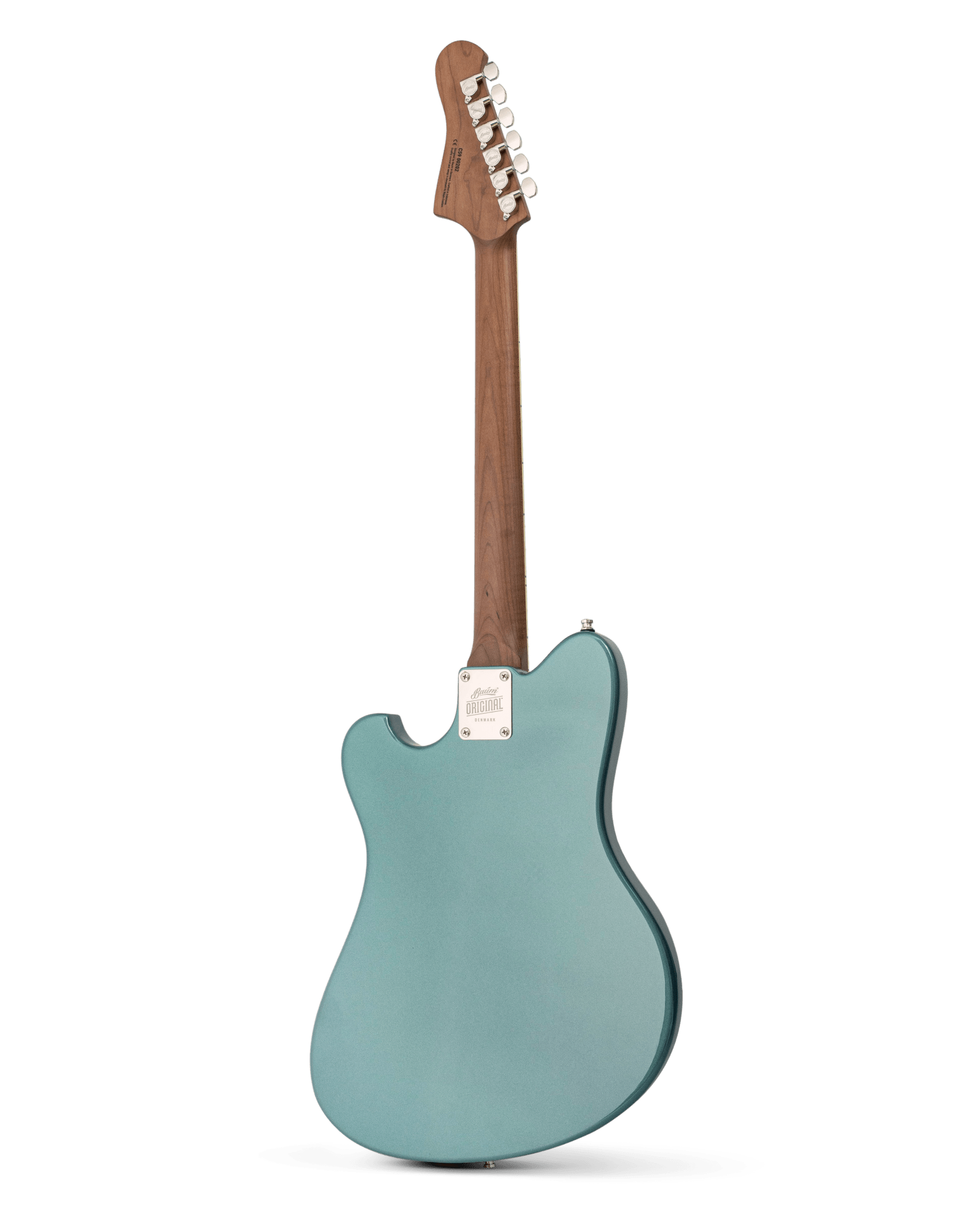
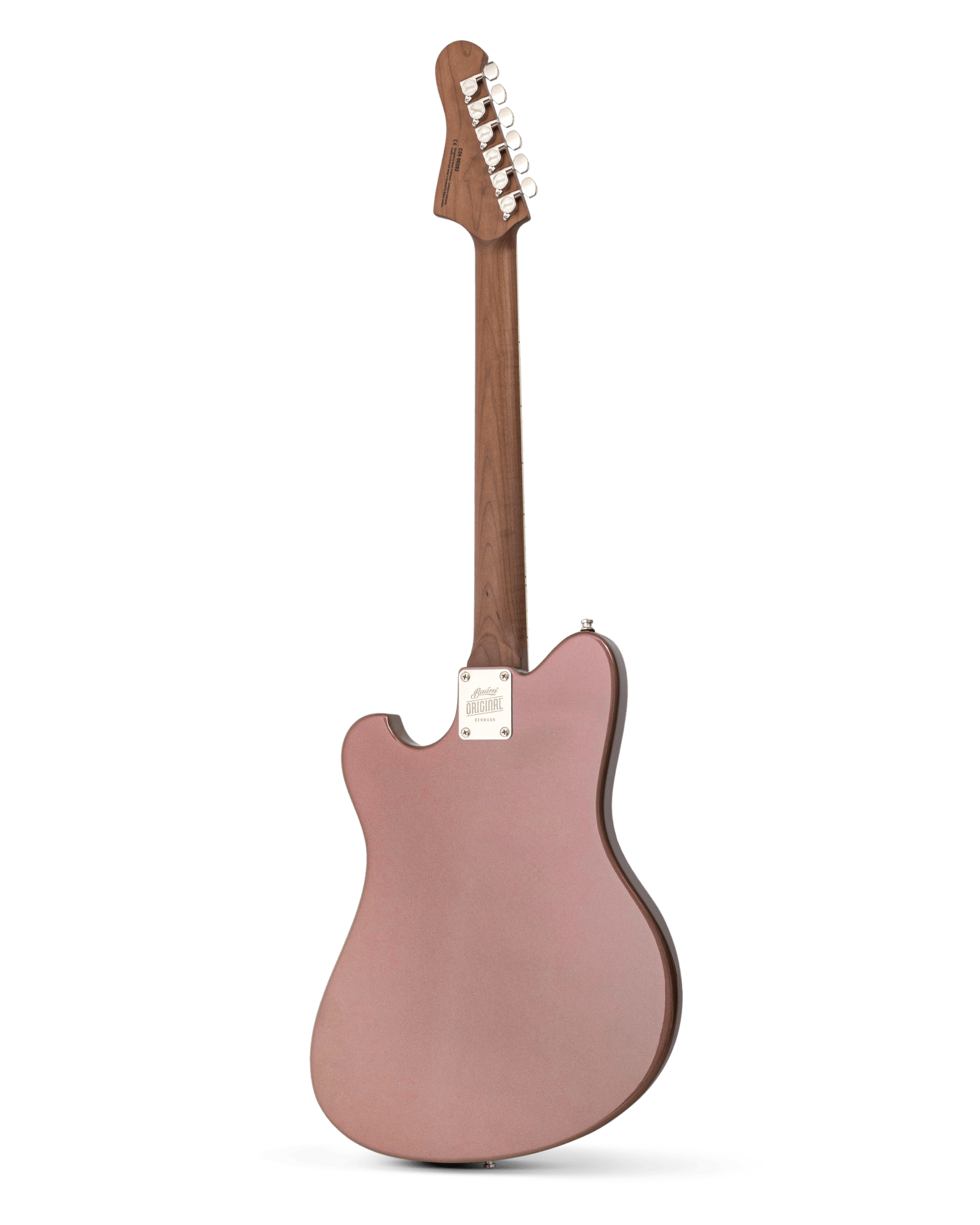
The result is a semi-hollow body guitar with the playing position and visual identity of an offset, combined with the tonal depth and natural resonance of a chambered construction. The mahogany body with maple top is the standard tone wood combination for serious semi-hollow guitars. The offset outline is what makes the Conquer 59 immediately recognisable as a Baum.
Single coils on a semi-hollow platform
Most modern semi-hollow guitars use humbuckers because the format is forgiving to higher-output pickups. The Conquer 59 commits to Goldsound® Jabmaster single coils instead, which is the more demanding tonal choice but also the more rewarding one. Single coils on a semi-hollow body produce a jangly, sparkling clean tone with definition in the high end and warm, complex mids that humbuckers tend to smooth over. Push them into an overdriven amp and the tone gets punchy and articulate without losing the air the semi-hollow construction adds.
That voicing covers tonal territory associated with both 1950s jazz and country recordings and 1990s indie and alternative rock. Two different musical worlds that happen to share the same instrumental palette. The Conquer 59 sits comfortably in either context without sounding like a reissue of any specific era.
Bigsby B50 and Levitator™ roller bridge as standard
Every Conquer 59 ships with Bigsby B50 vibrato as a standard component, not an upgrade. The Bigsby's gentle pitch bending range is well-matched to a semi-hollow body guitar where the resonance of the construction is part of the instrument's character. Aggressive whammy bar work is not what this guitar is built for. Controlled vibrato, slight pitch waver on sustained chords and the kind of expression that defines vintage offset playing is.
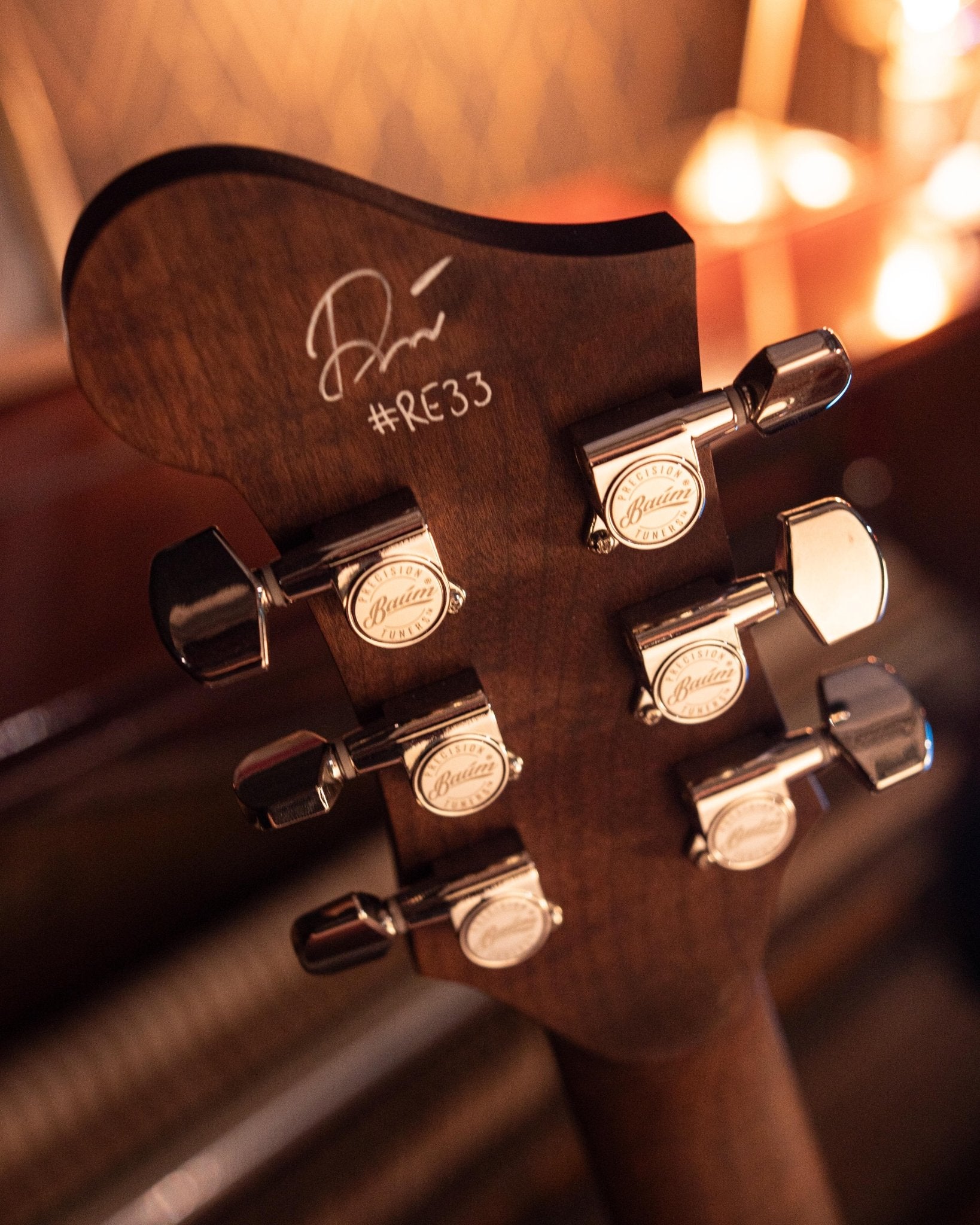
The Levitator™ roller bridge solves the historical Bigsby problem. Standard Bigsby installations suffer from string friction at the saddle, which compromises tuning return after vibrato use. The Levitator™ replaces that friction with rolling contact, so the strings move freely during vibrato and return to pitch accurately. Combined with Baum Precision Tuners at 21:1 gear ratio, the Conquer 59 holds its tuning through a full set in a way most semi-hollow offsets with Bigsby simply do not.
Construction details that matter on a semi-hollow guitar
The 25.5" scale length matches Fender-style spacing rather than Gibson's 24.75", which gives the strings more tension and contributes to the brighter, more articulate high end. The dark roasted maple neck is dimensionally stable across temperature and humidity changes, which matters more on semi-hollow guitars than on solid bodies because the chambered construction is more sensitive to environmental shifts. The 12" fretboard radius is a modern profile that supports both rhythm chord work and lead bending without the limitations of vintage radius geometry.
Where the Conquer 59 fits
The Conquer 59 is the semi-hollow offset in the Baum lineup. For a traditional semi-hollow electric guitar with P90 or mini humbucker pickups and a different tonal direction, the Leaper Tone covers that territory and is the model the company started with. Both sit within the broader Baum electric guitar lineup.
Test it across the contexts you'll actually use it in
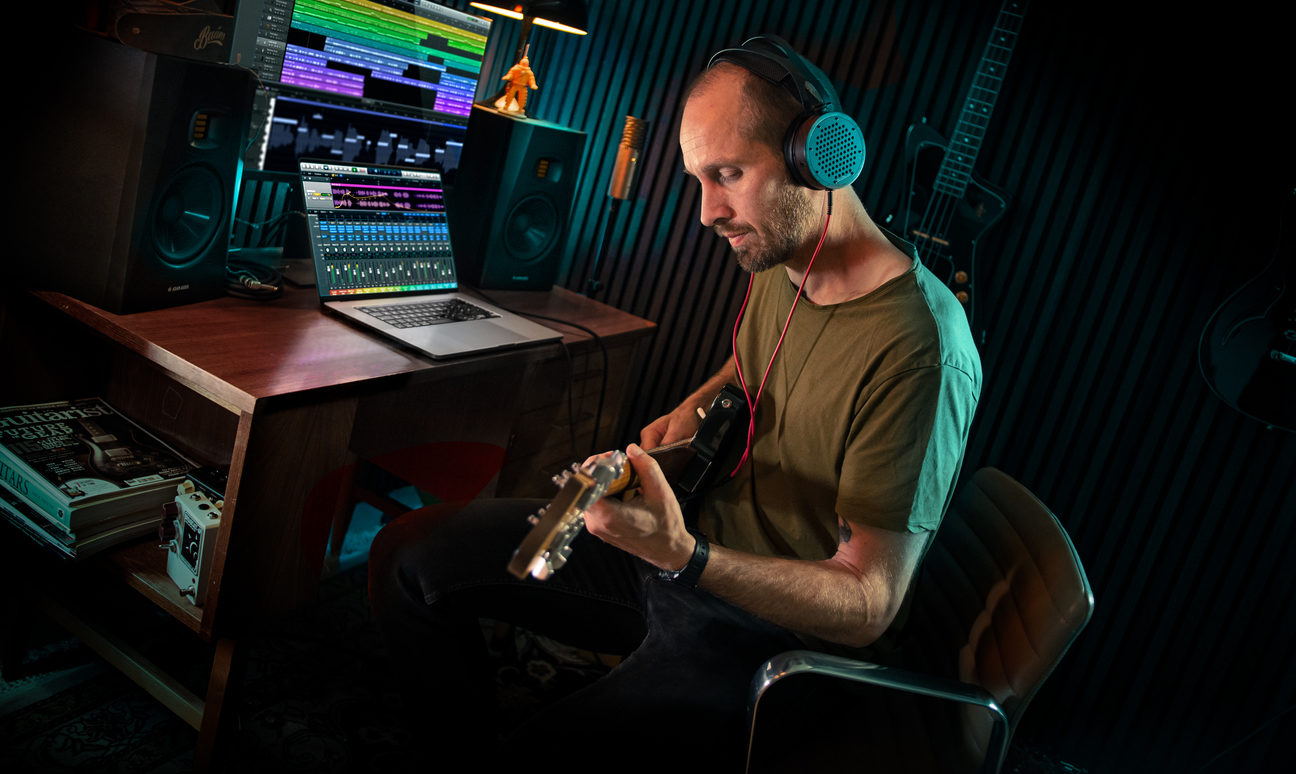
The Conquer 59 reveals different sides of itself across different playing situations. Clean jangly chord work in a rehearsal room sounds different from the same chord work tracked in a studio. Bigsby vibrato through a fuzz pedal at gig volume sounds different from the same combination at home practice levels. Baum doesn't sell through retailers, so every Conquer 59 ships direct from Denmark, set up by hand in Aarhus, with 45 days to play it in your own environments before committing.