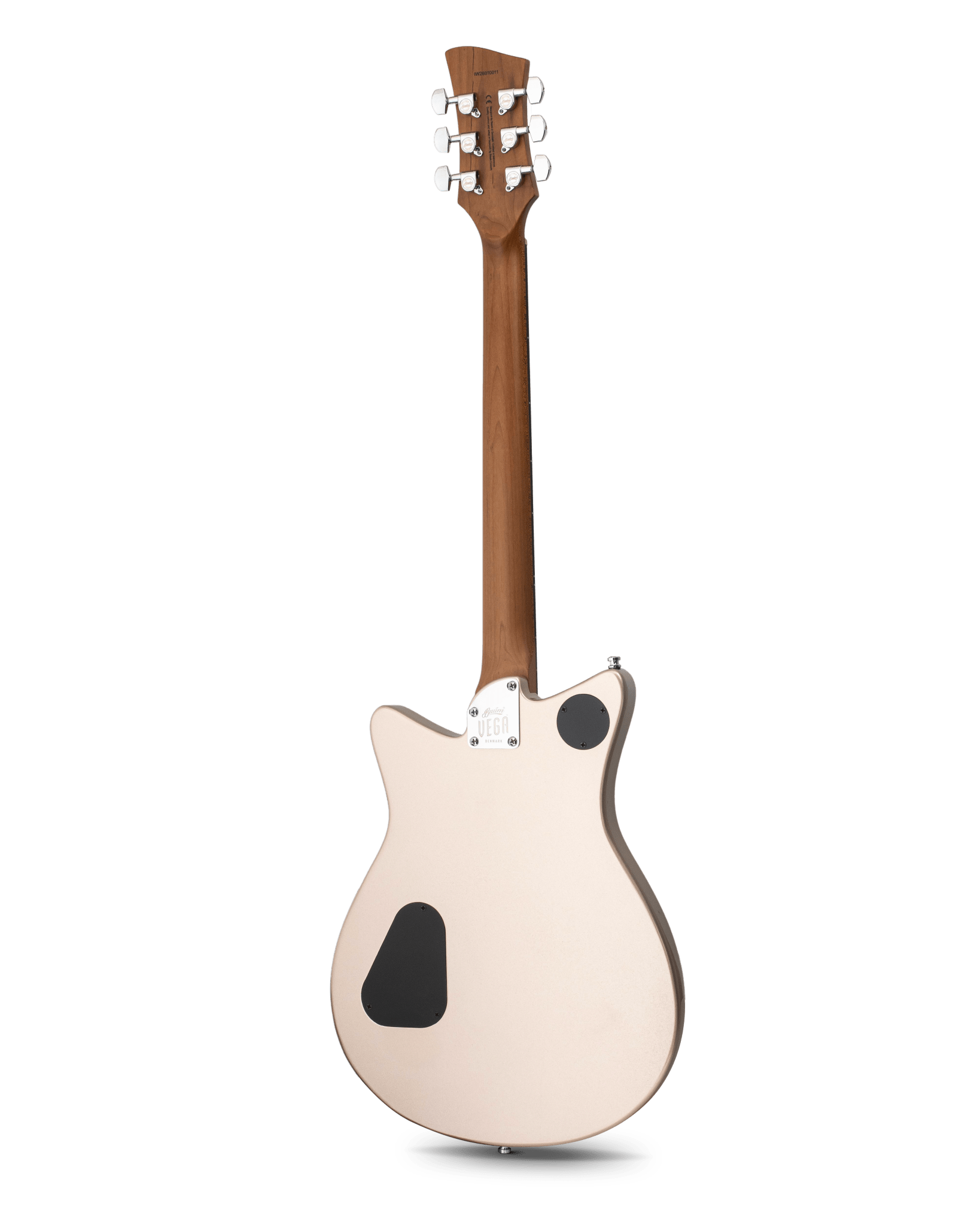
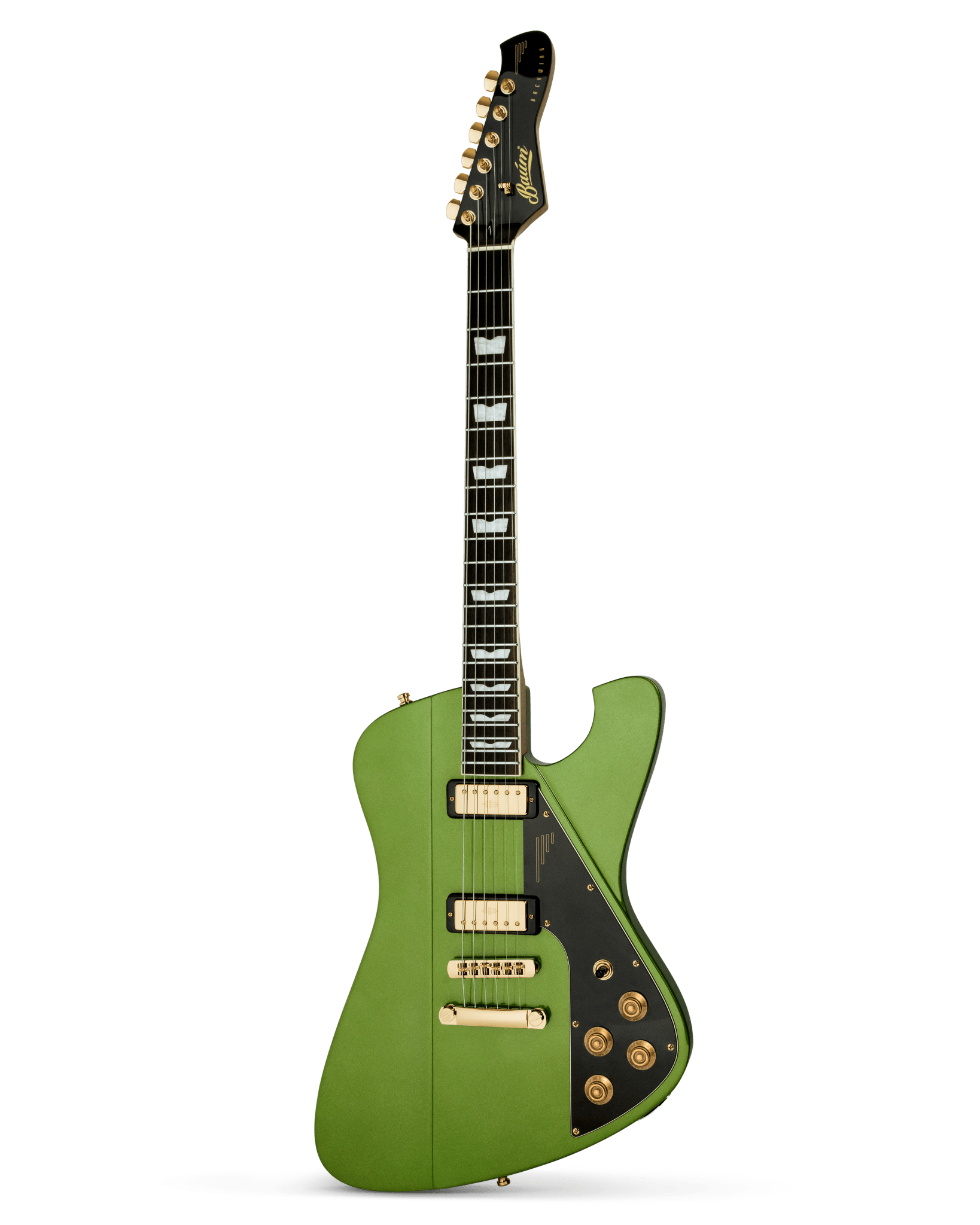
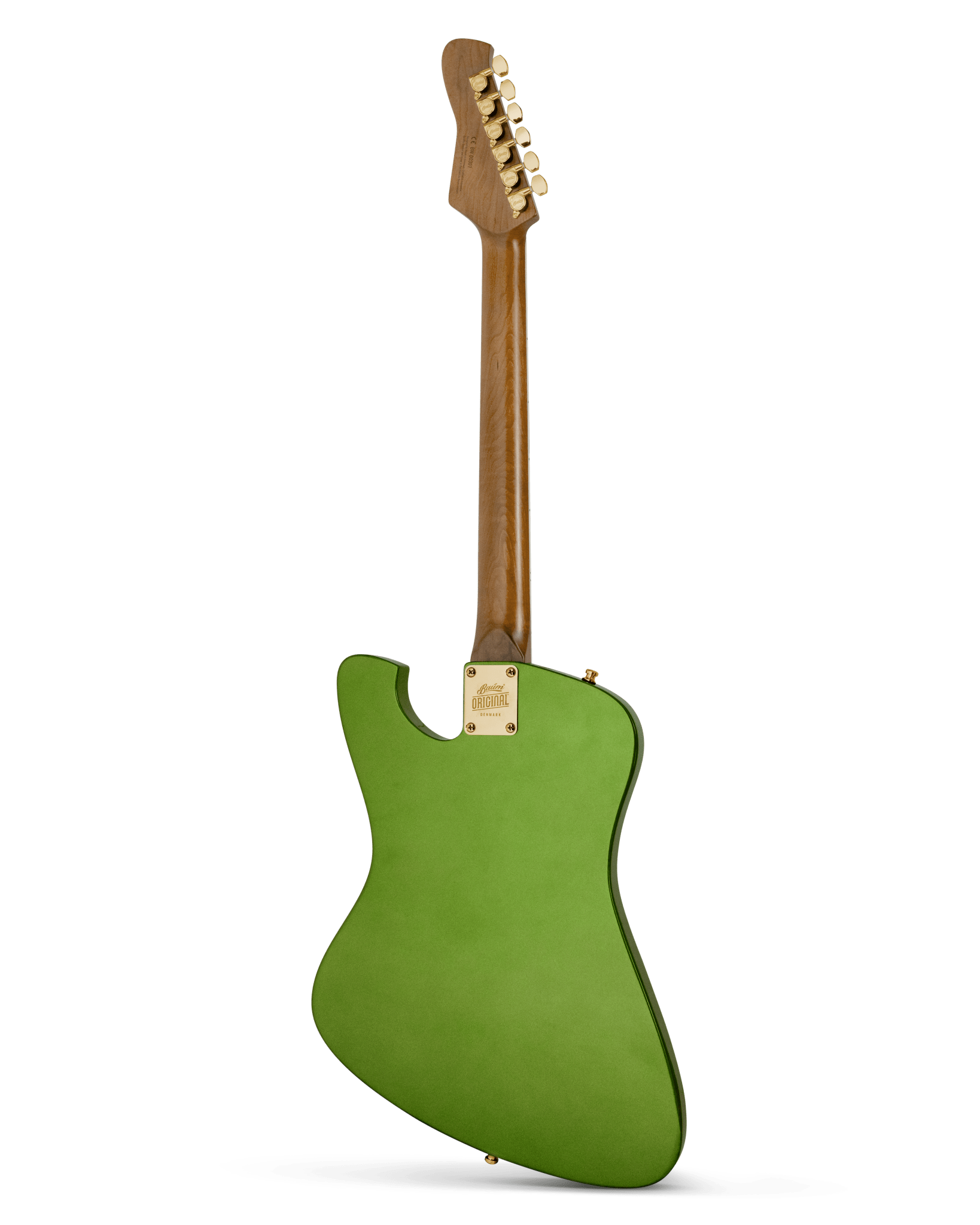
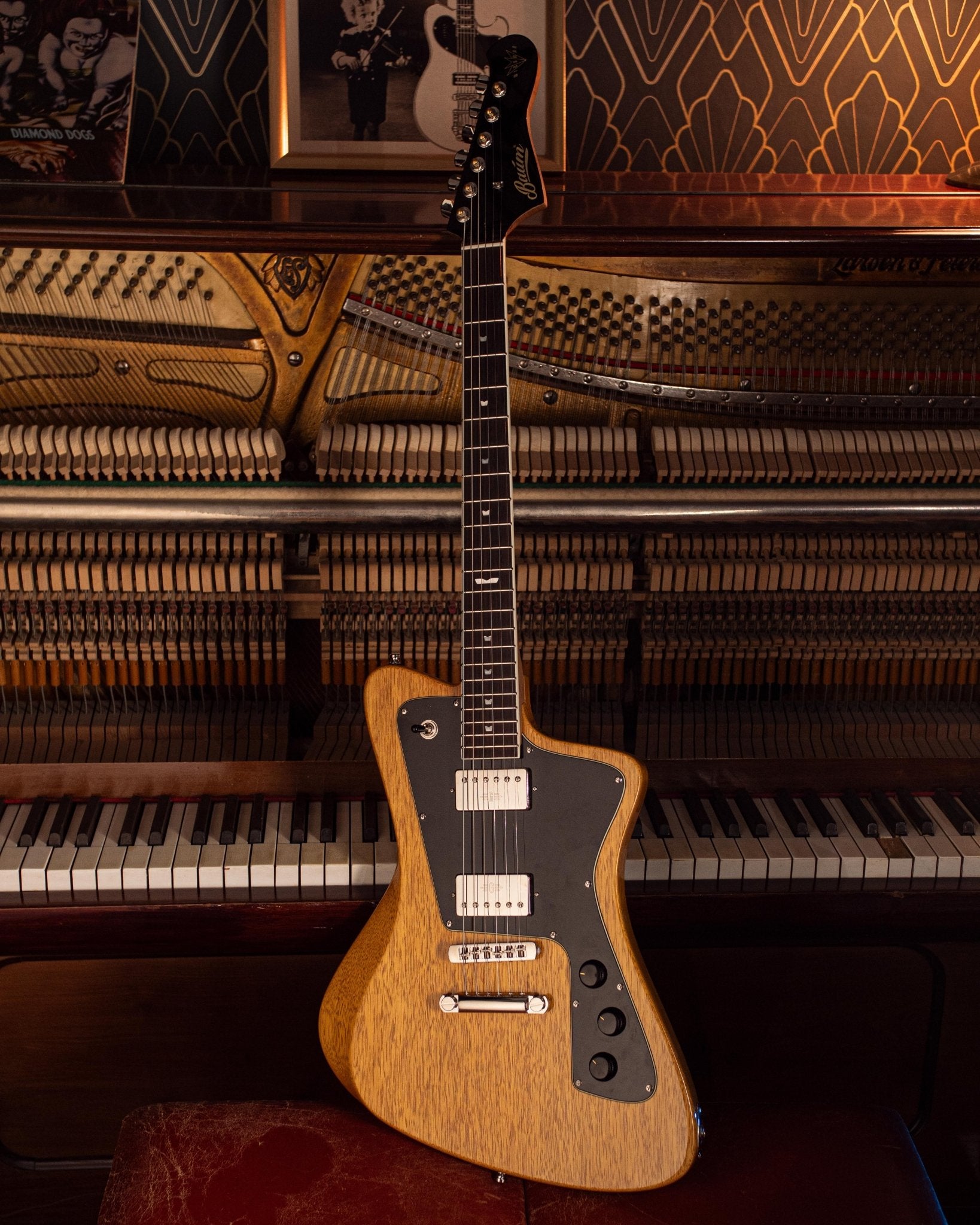
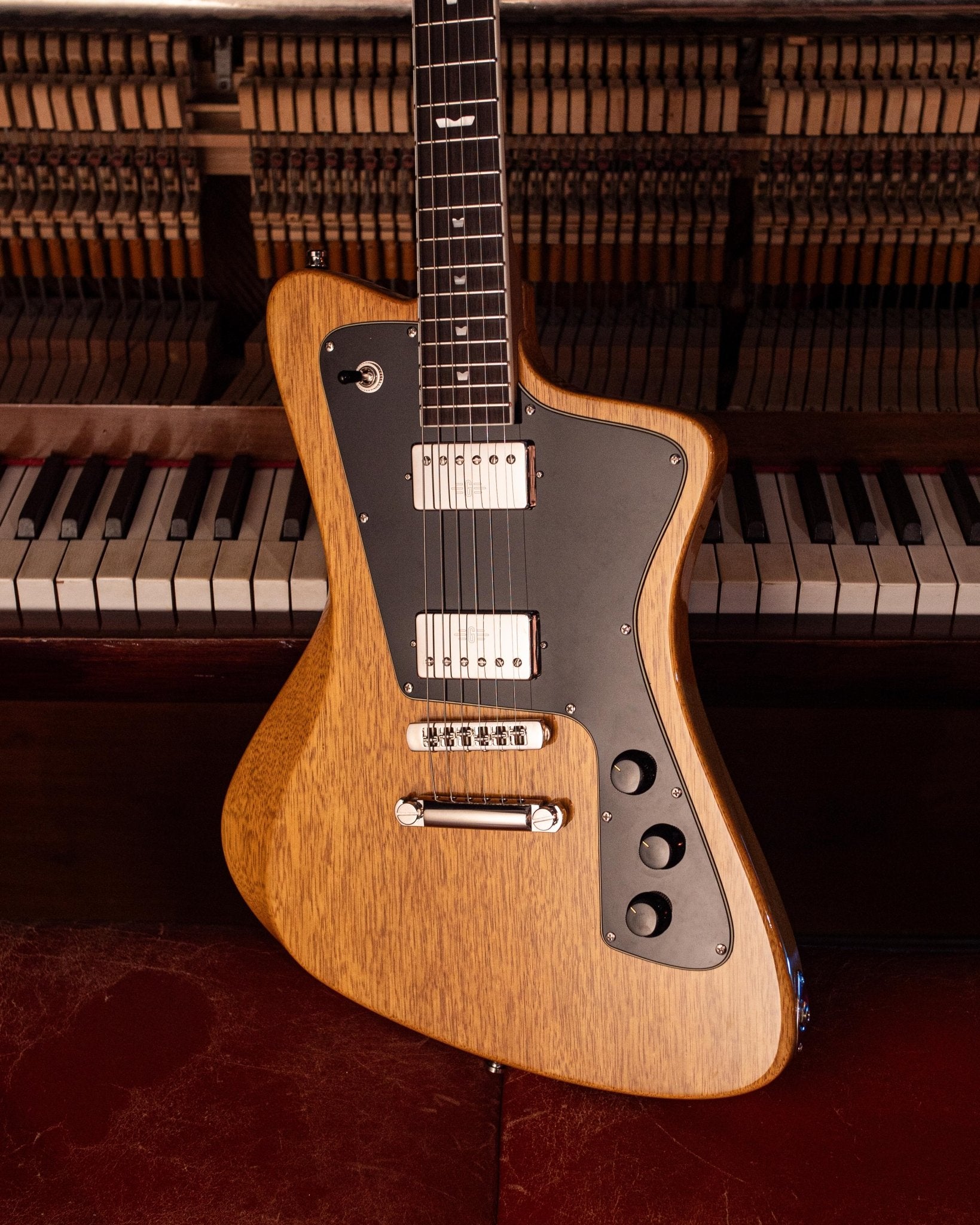
What defines a solid body electric guitar
A solid body electric guitar is built from a single piece of tone wood, or a combination of woods joined into one solid structure, with no chambered cavities inside the body. The pickups are mounted directly into the wood, and the strings vibrate against a rigid platform with minimal acoustic resonance of its own. Everything you hear from a solid body electric guitar is a product of the pickups amplifying string vibration, filtered through the density and character of the wood, rather than the natural acoustic amplification you get from semi-hollow or hollow instruments.
That construction choice has direct tonal consequences. Solid body electric guitars produce more sustain than chambered instruments because the string energy has nowhere to dissipate into air movement. The tonal response is more focused and direct, with less complexity in the mids but more definition in the attack. Feedback at high volumes is reduced because there is no chambered cavity to resonate with the amp. For players working at loud stage volumes, in high-gain contexts, or in situations where clean tonal separation matters more than acoustic complexity, solid body electric guitars are the format that delivers.
Why solid body construction matters on a Baum
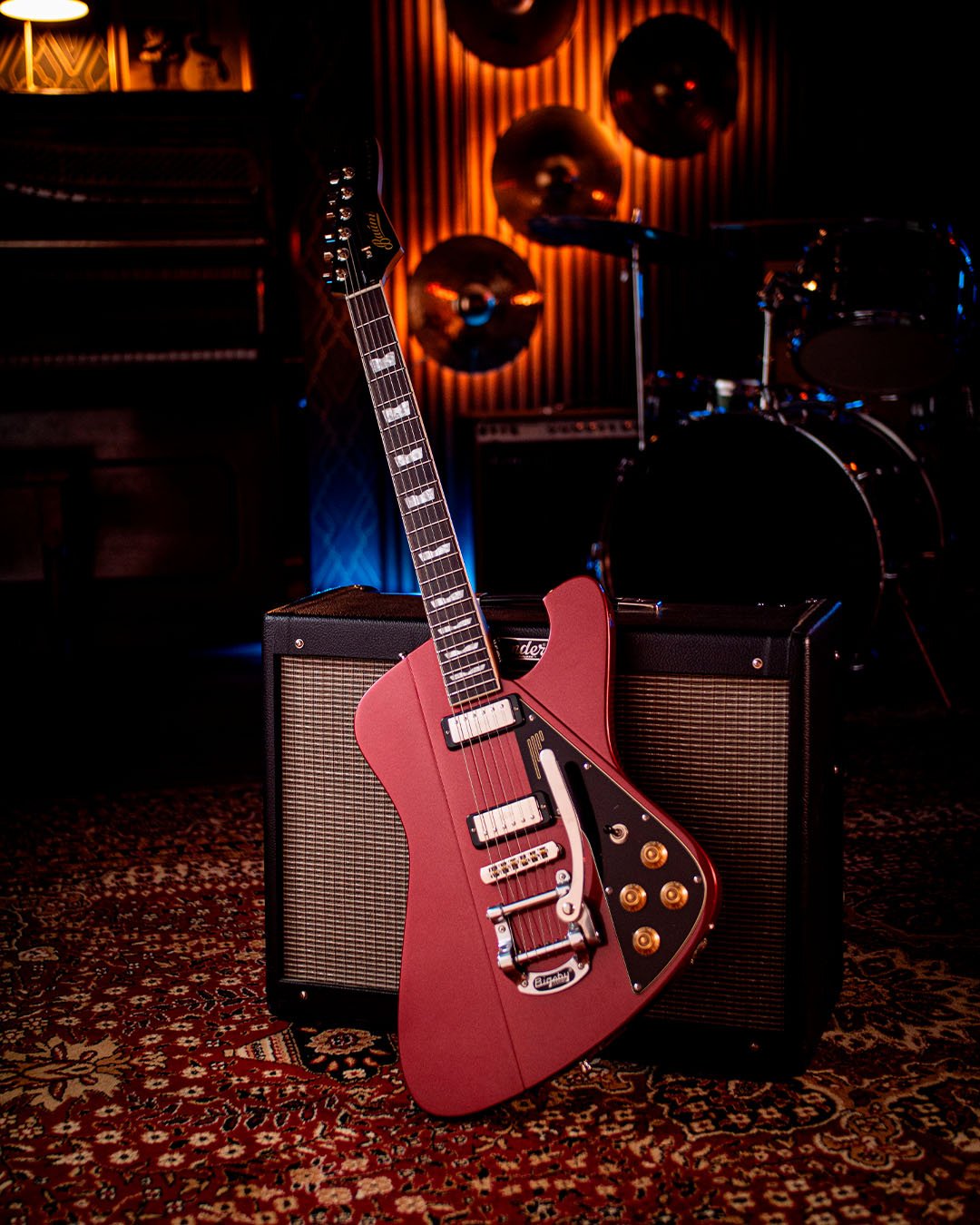
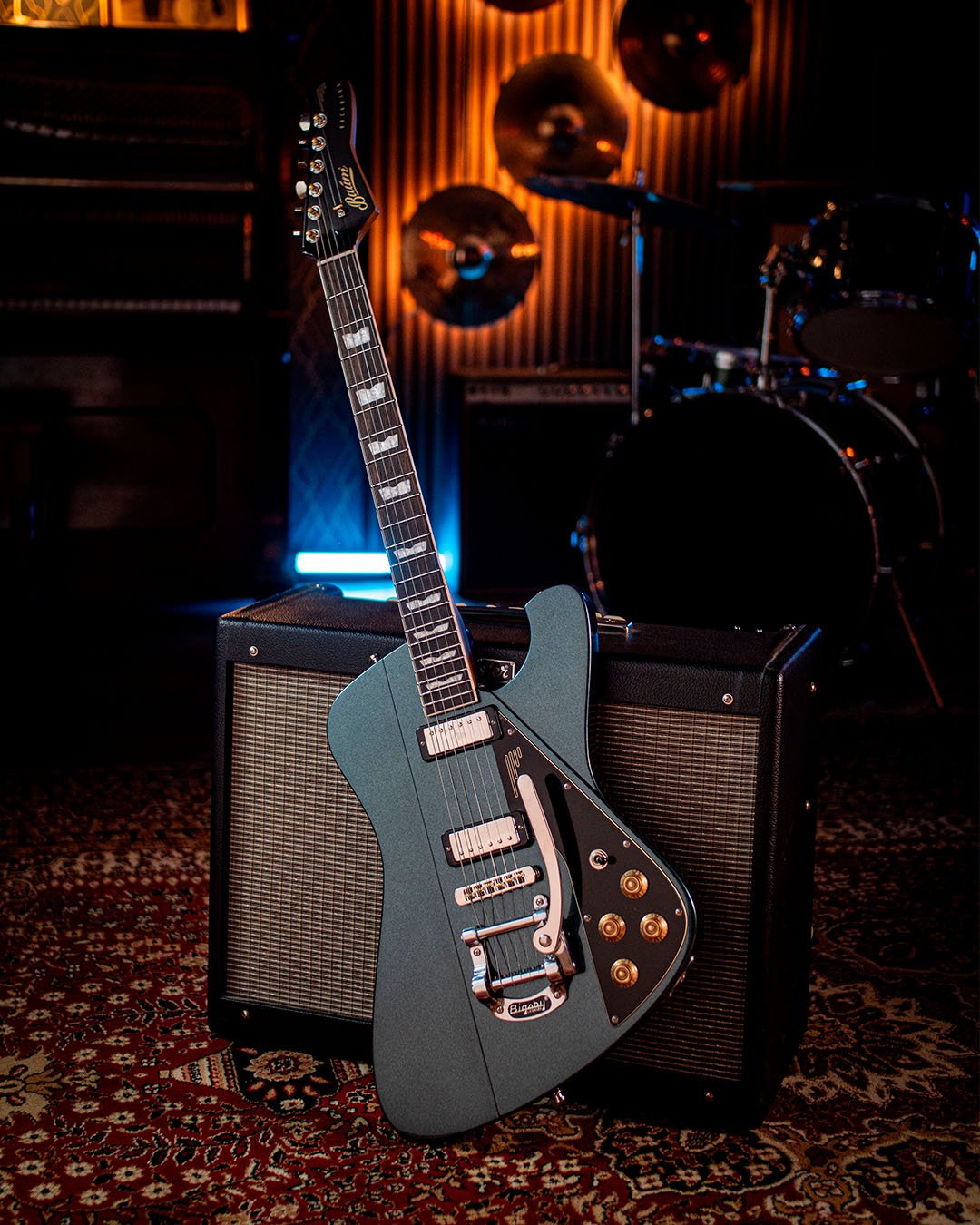
Baum builds most of the lineup on solid body construction. Seven of the nine electric guitars in the catalogue are solid body instruments, and the platform Baum has developed across a decade of production is specifically tuned for what solid body electric guitars need to do well.
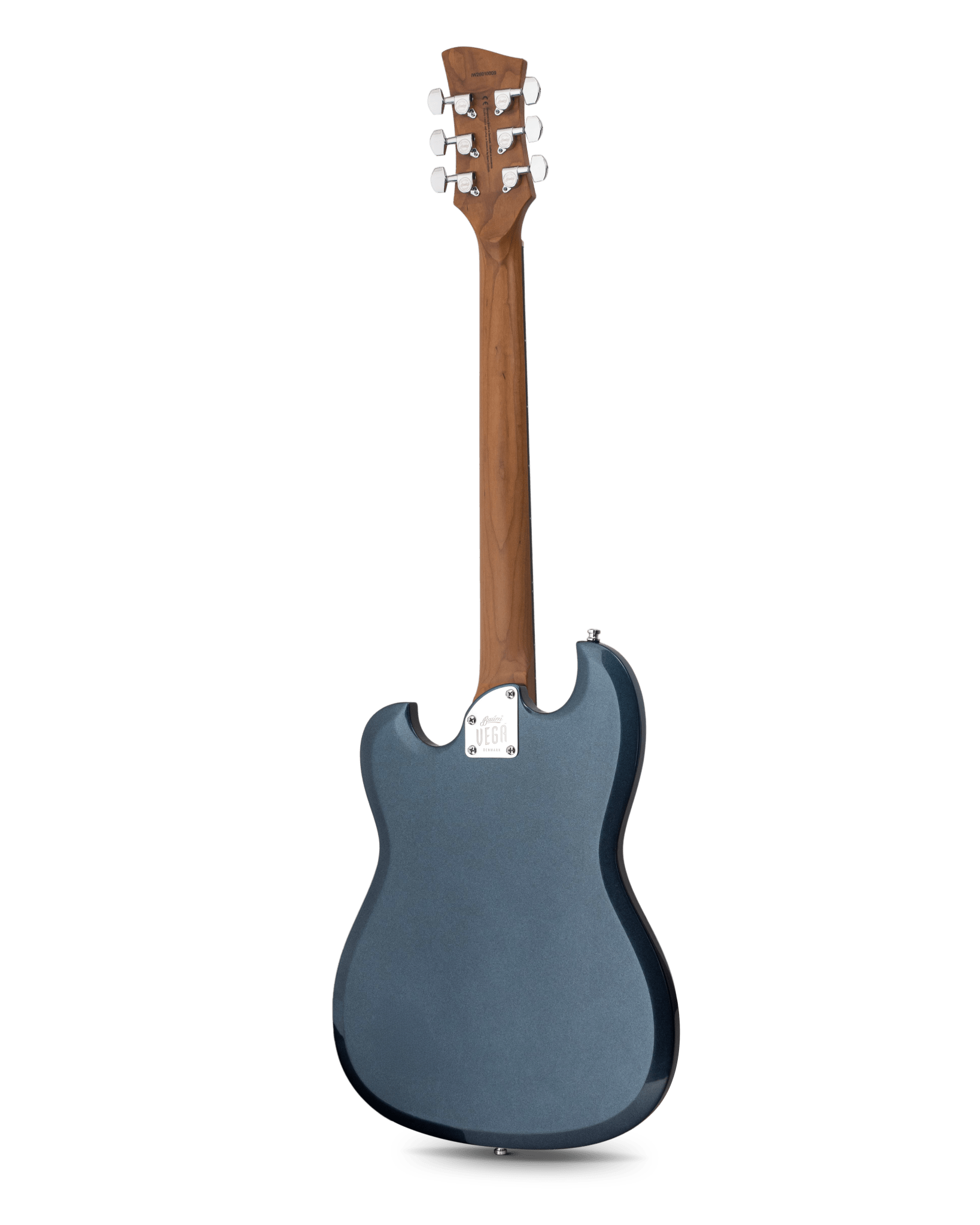
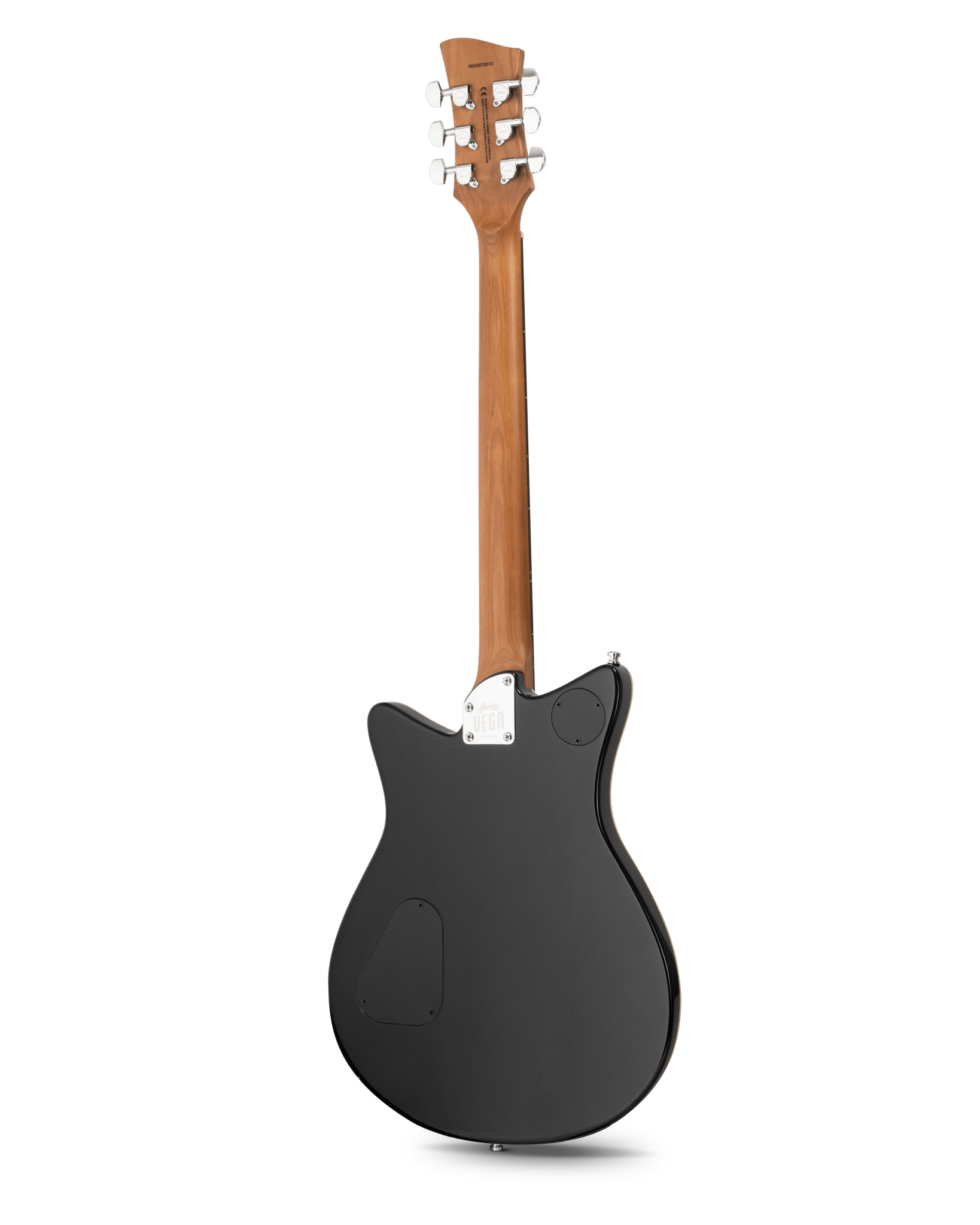
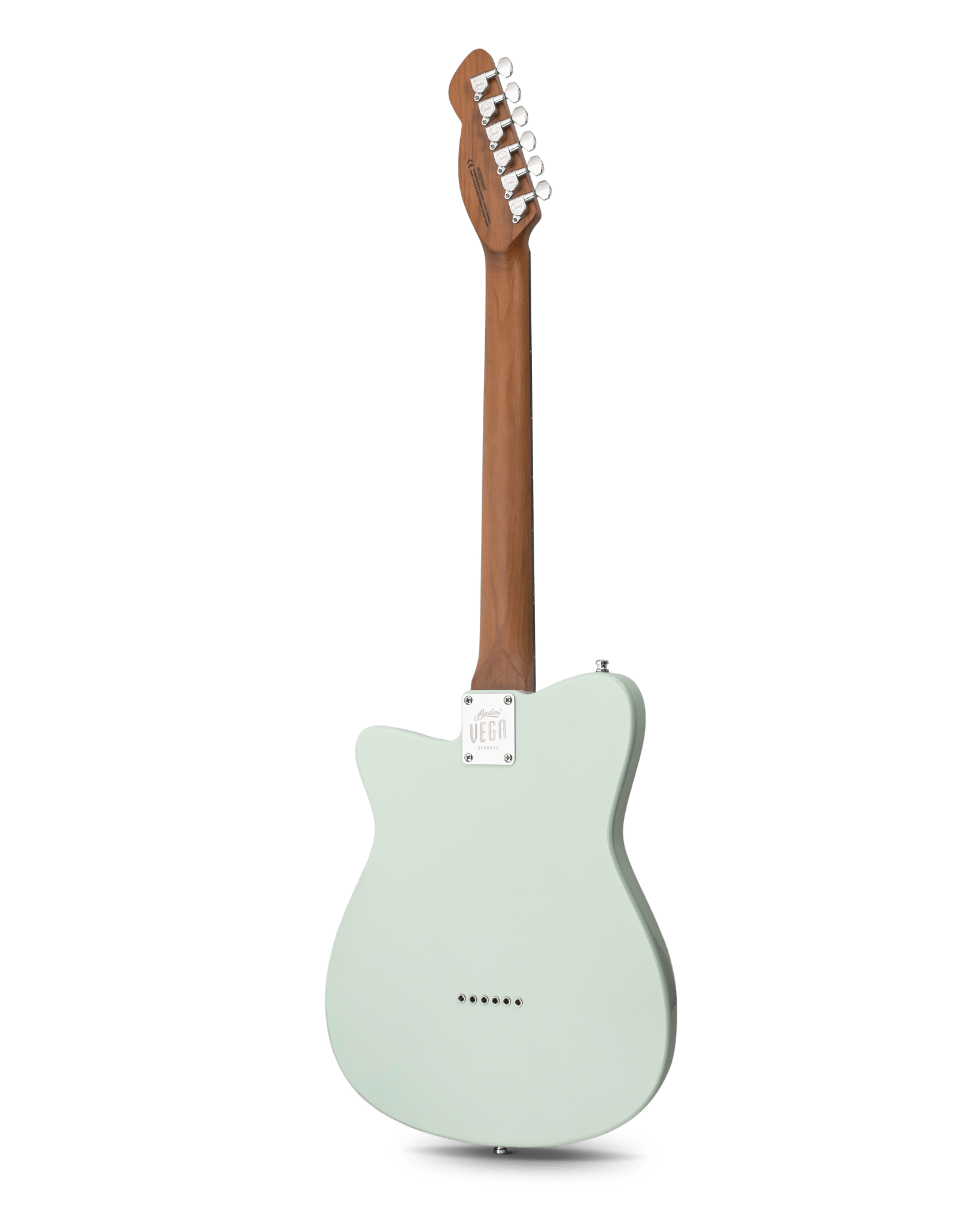
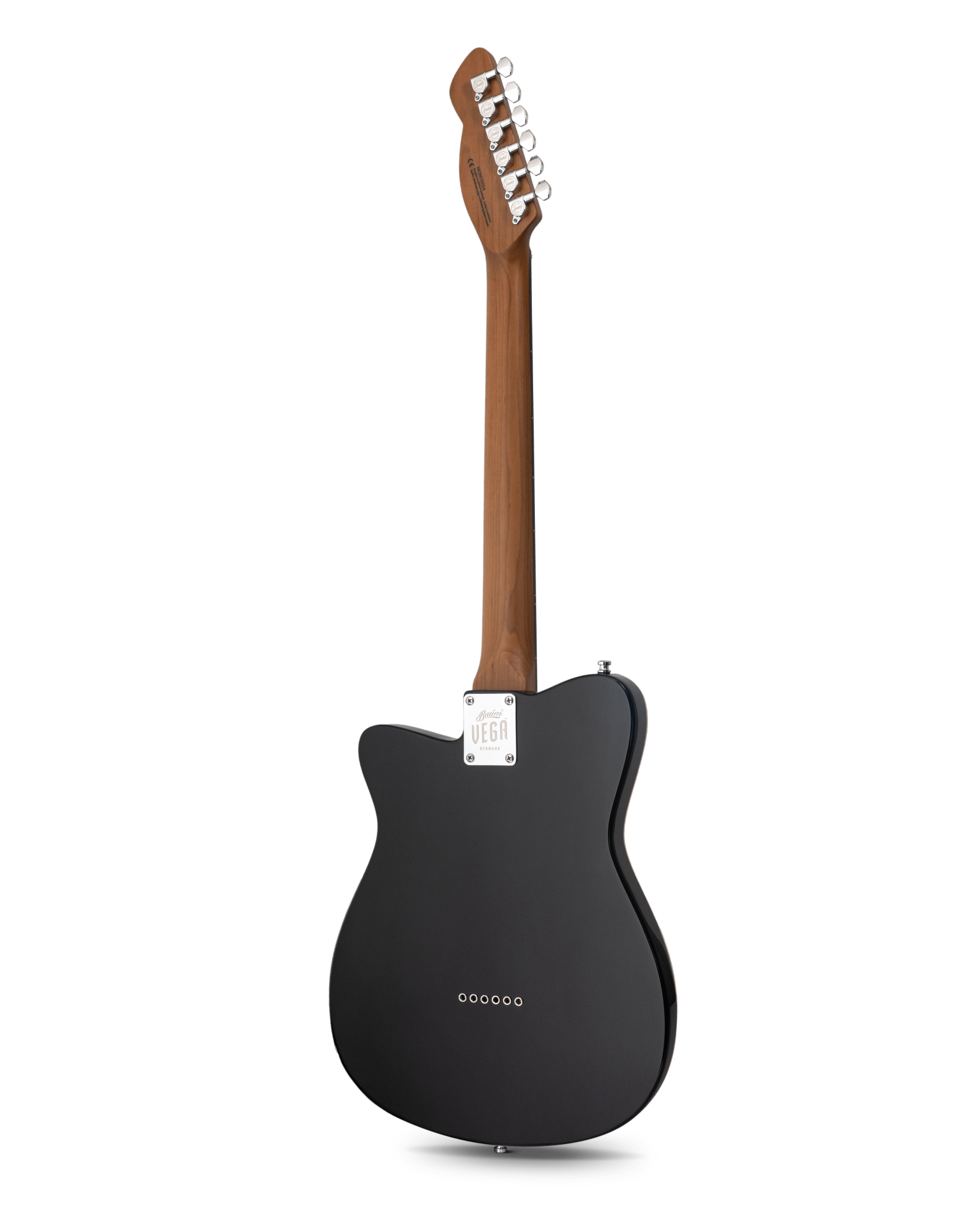
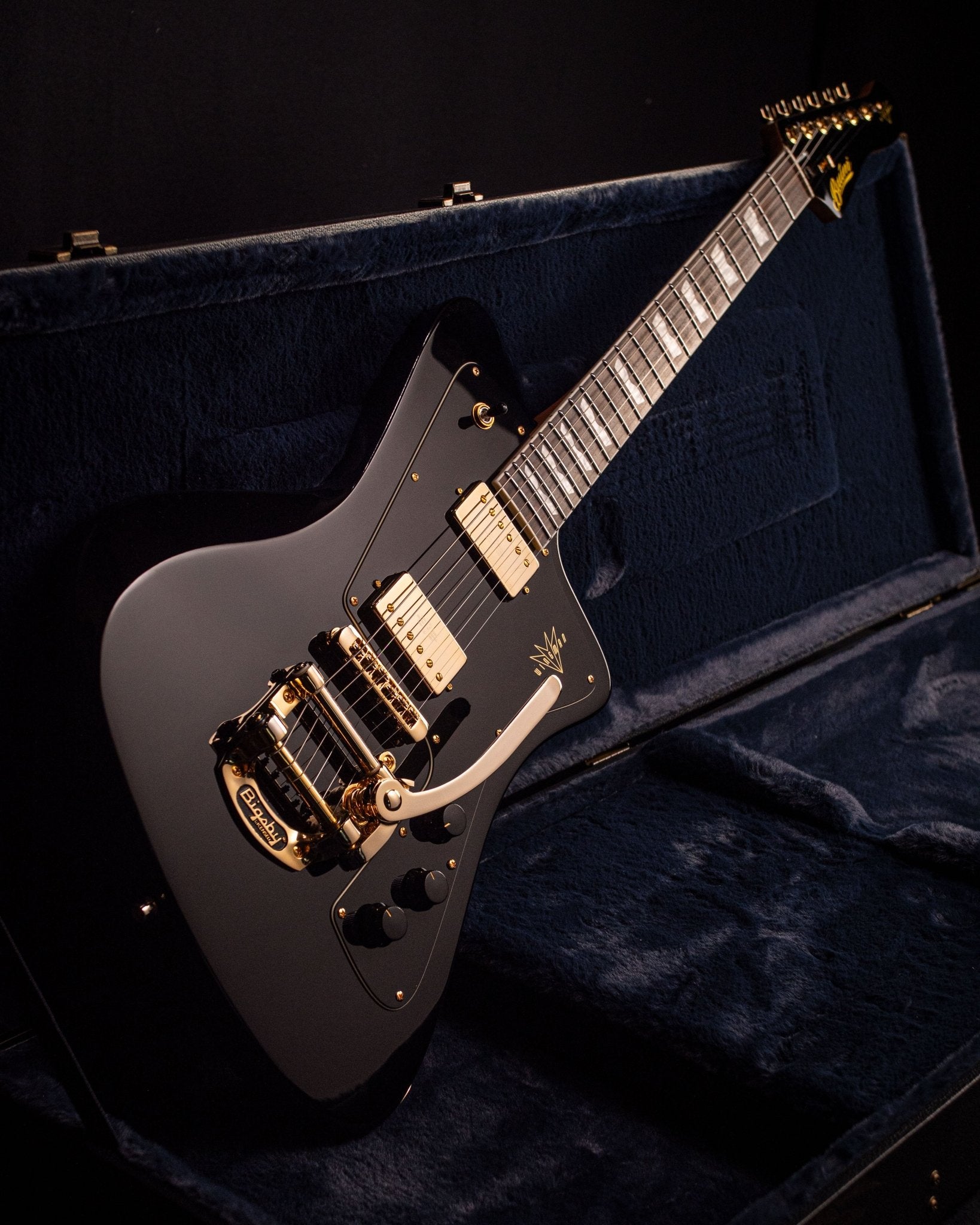
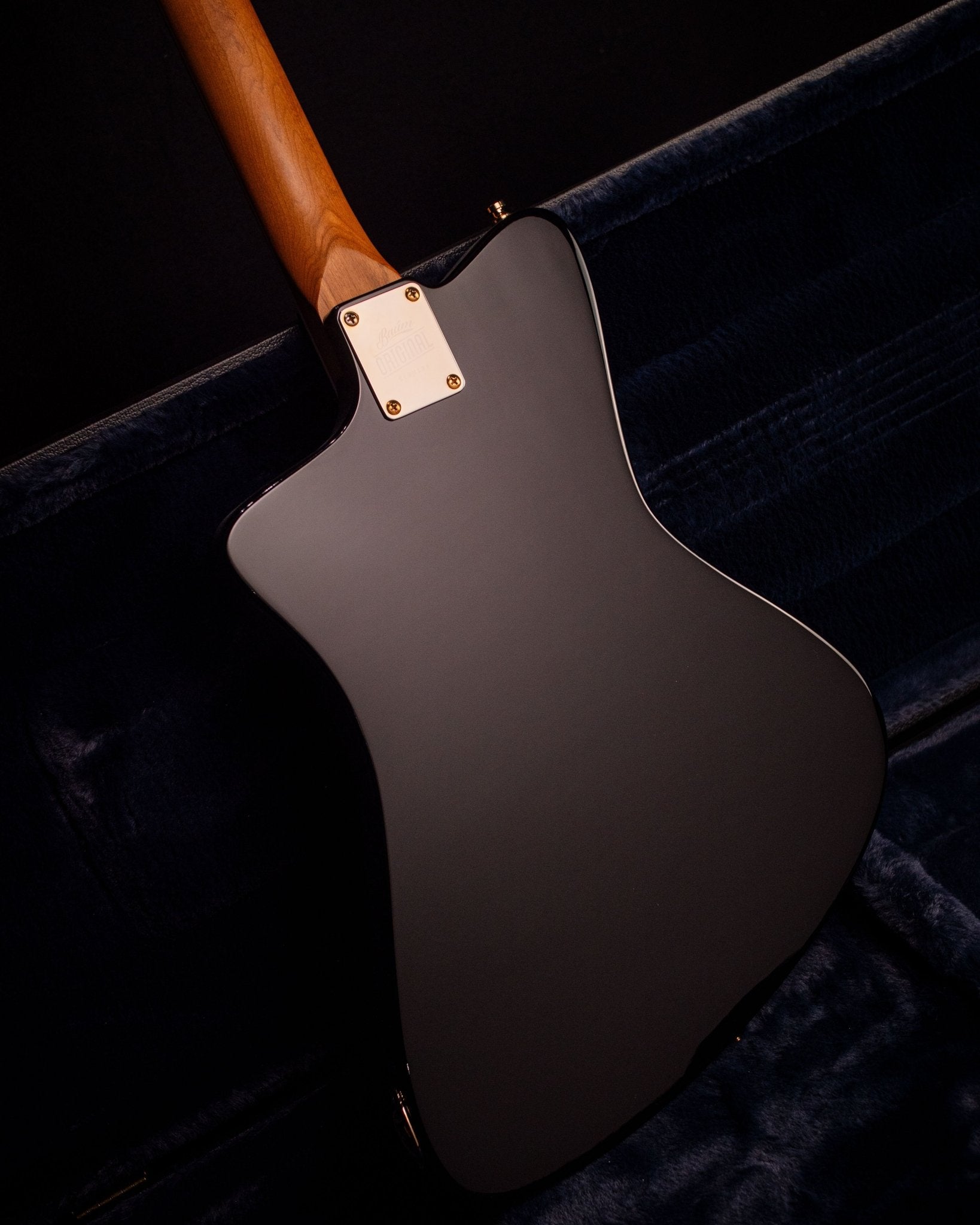
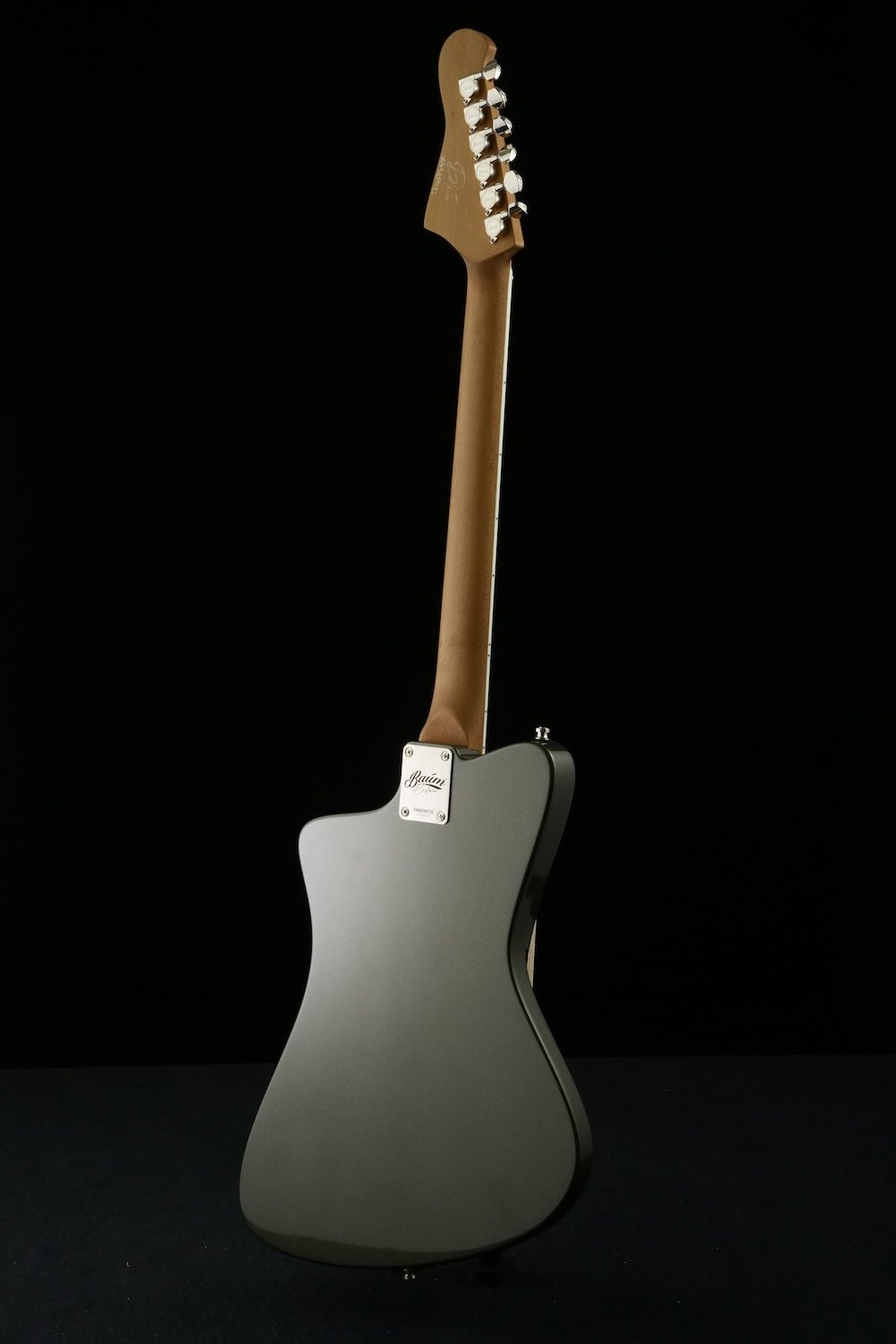
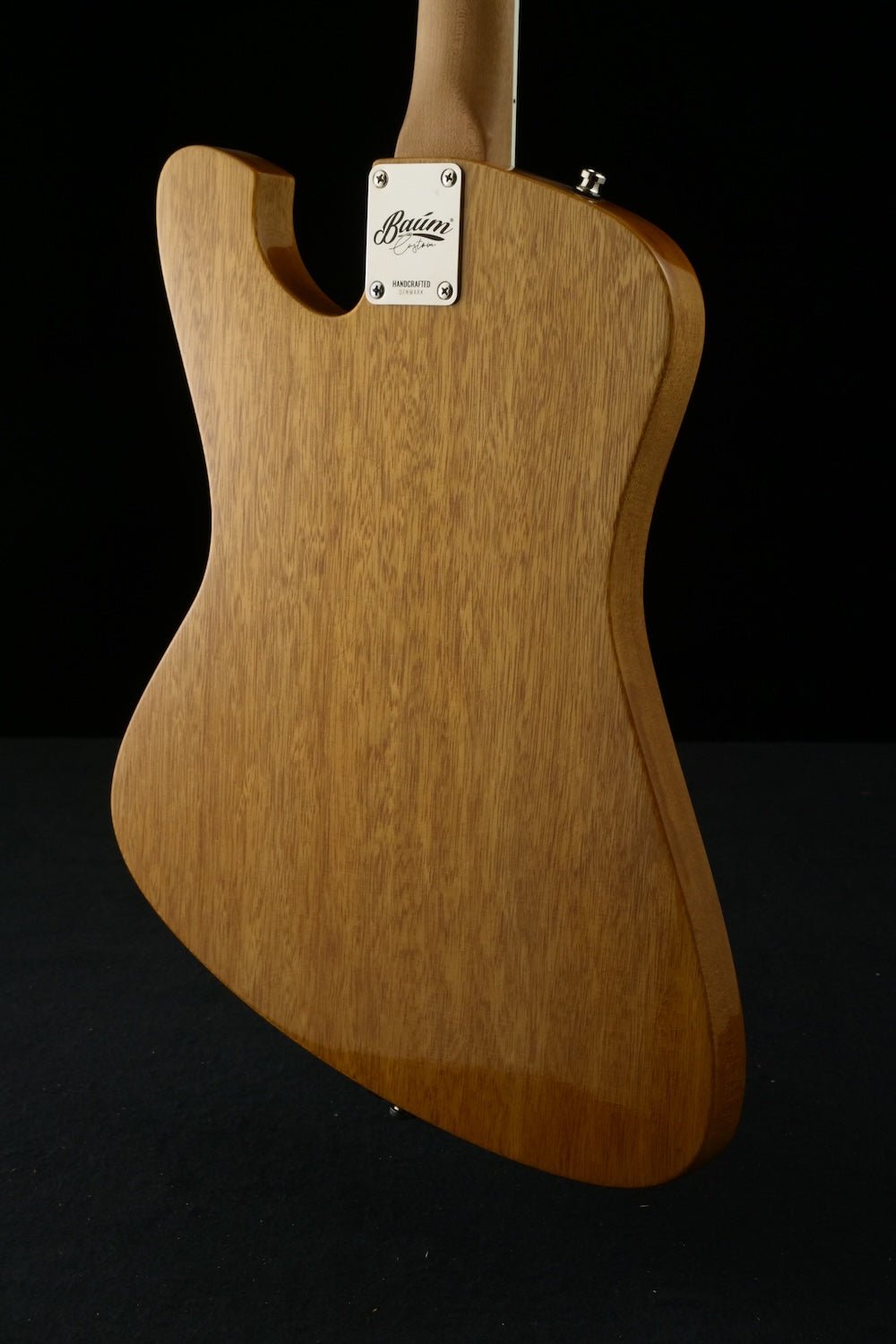
The mahogany body sits at 36mm, which is 9mm thinner than the industry standard of 45mm. That reduction in mass has a specific effect on solid body construction. A thinner solid body transmits string vibration more efficiently through the instrument, which produces better sustain and more responsive attack than a thicker slab. The finished weight lands between 3.1 and 3.5kg for most models, light enough for long stage sets without sacrificing resonance.
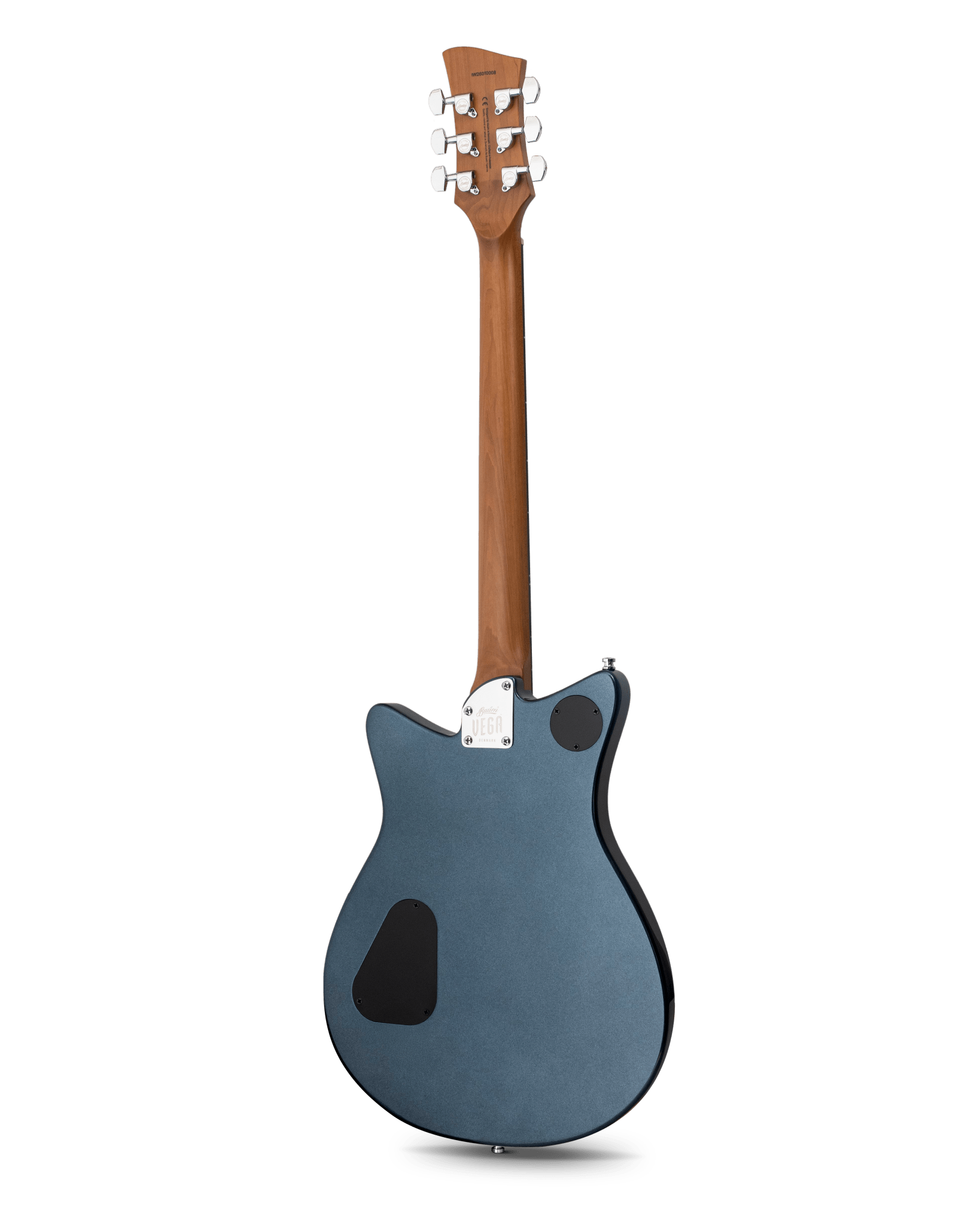
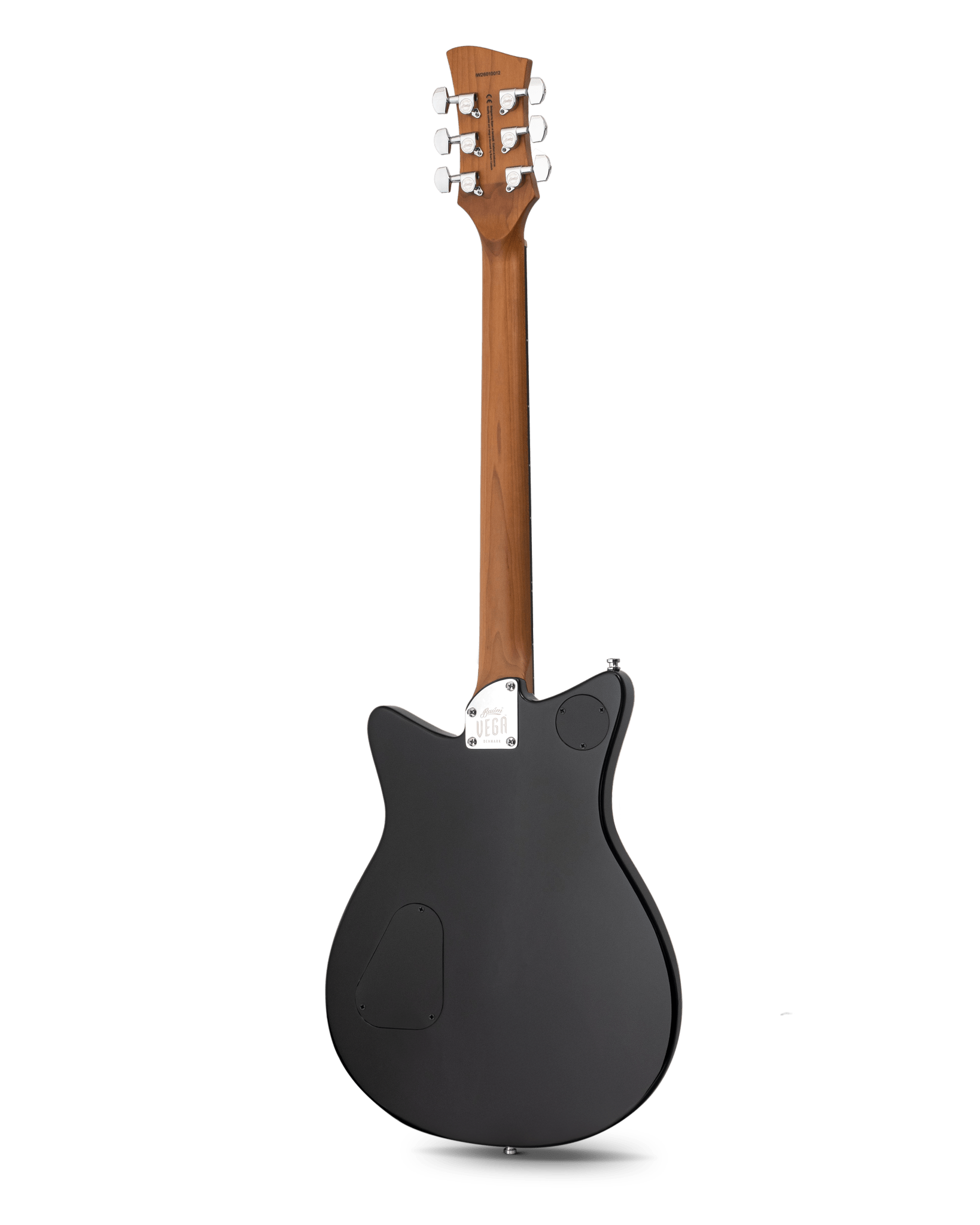
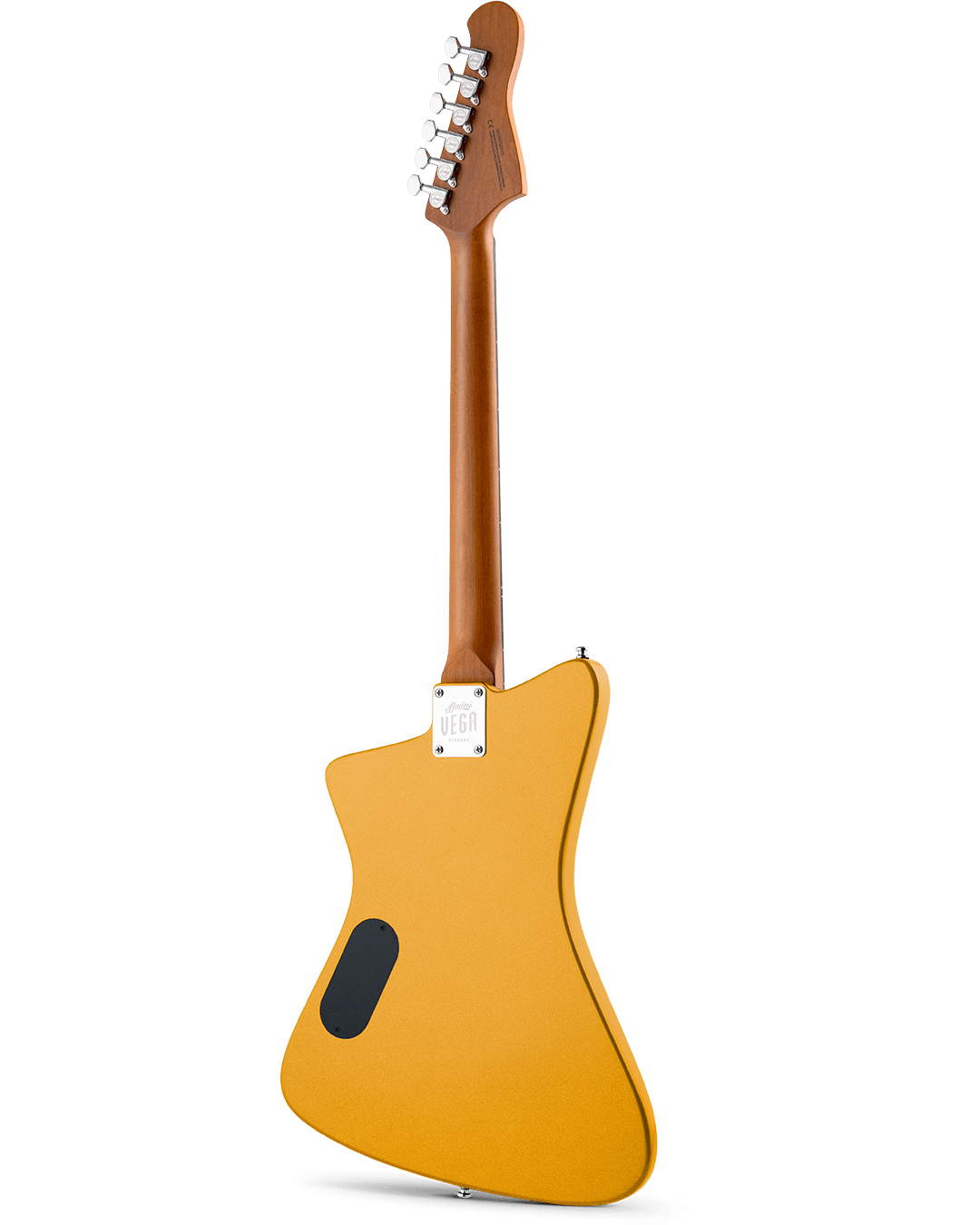
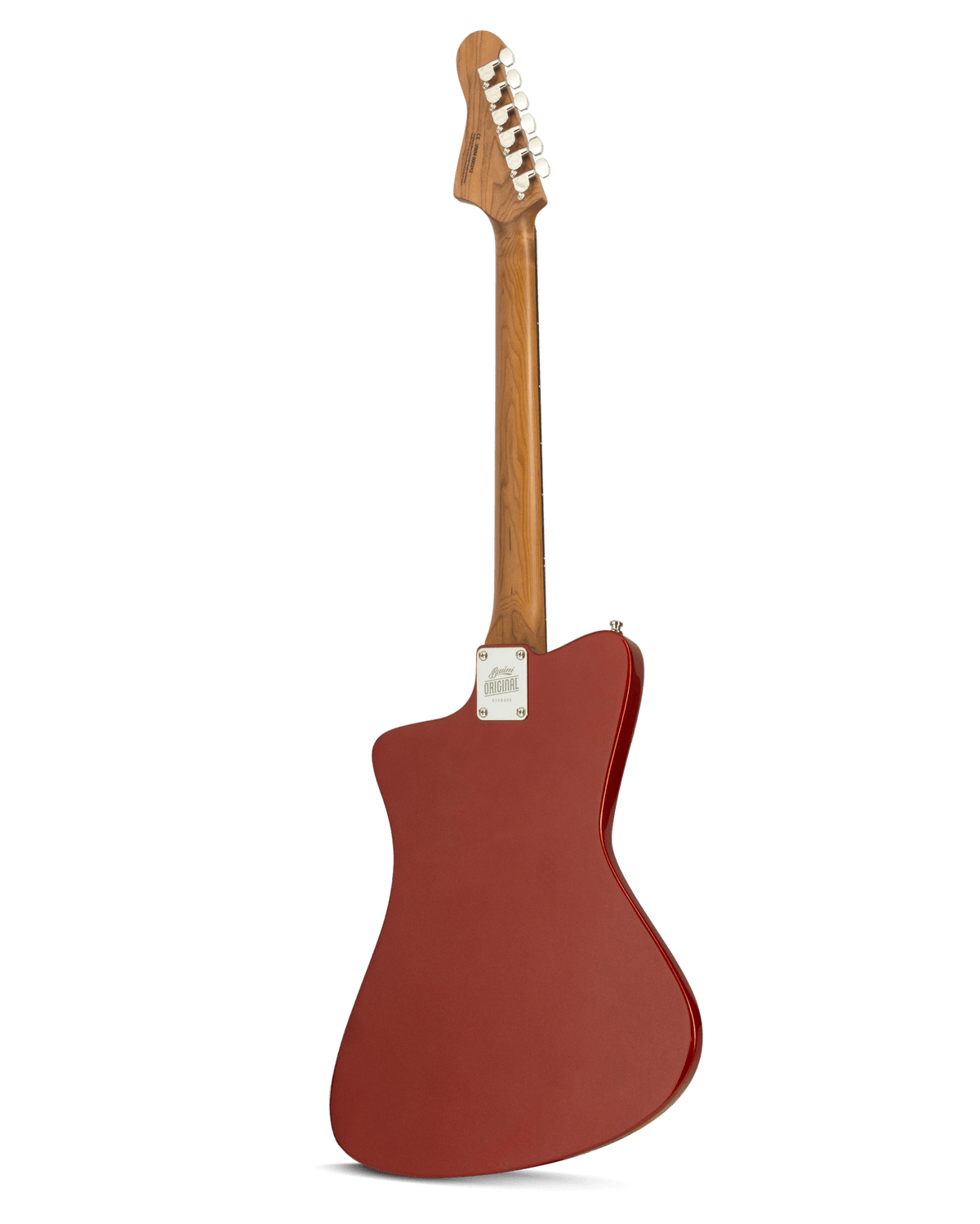
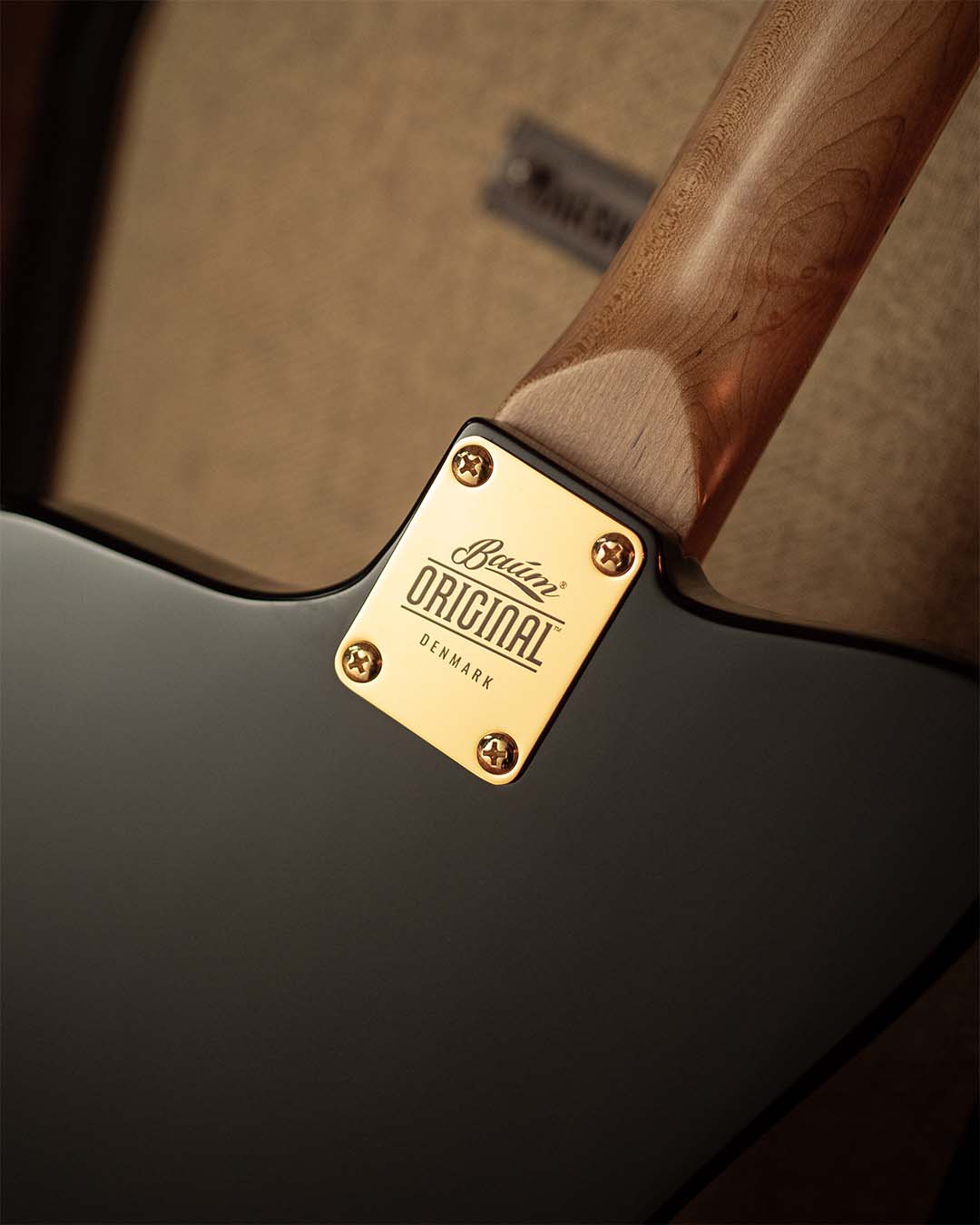
The roasted maple neck adds dimensional stability without adding mass. Heat-treating the wood drives out moisture and crystallises the natural sugars into a denser, harder structure that holds its tuning across temperature and humidity changes. On a solid body electric guitar the neck's contribution to overall tone is proportionally larger than on a semi-hollow, because the body isn't producing acoustic resonance to blend with. A more stable neck produces a more consistent tone.
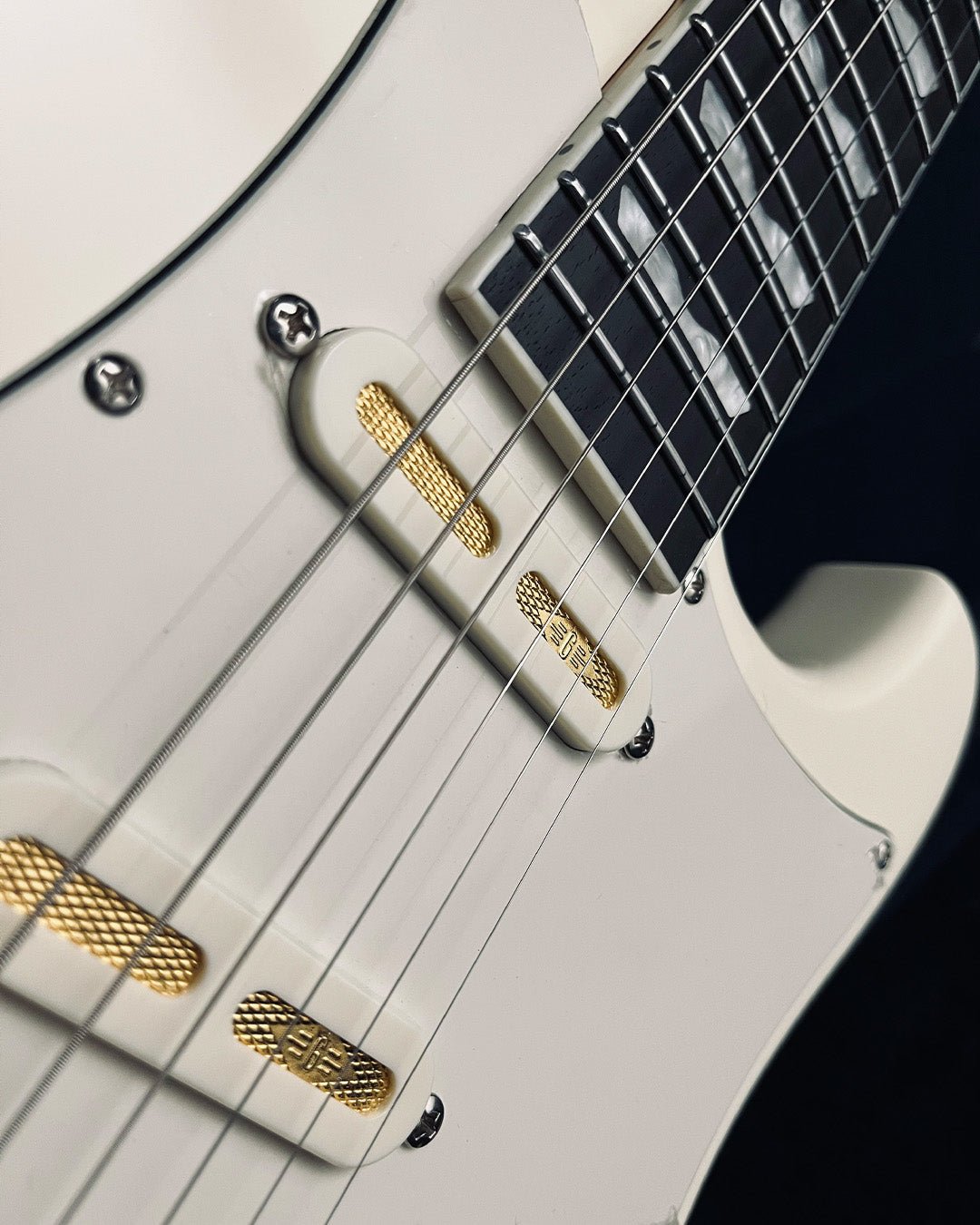
Proprietary Goldsound® pickups are voiced specifically for the body and neck combination on each model. Solid body electric guitars are exposed instruments, where the pickup character is amplified rather than softened by the construction. Getting the pickup voicing right is more critical on a solid body than on any other format.
The classic solid body double-cut models
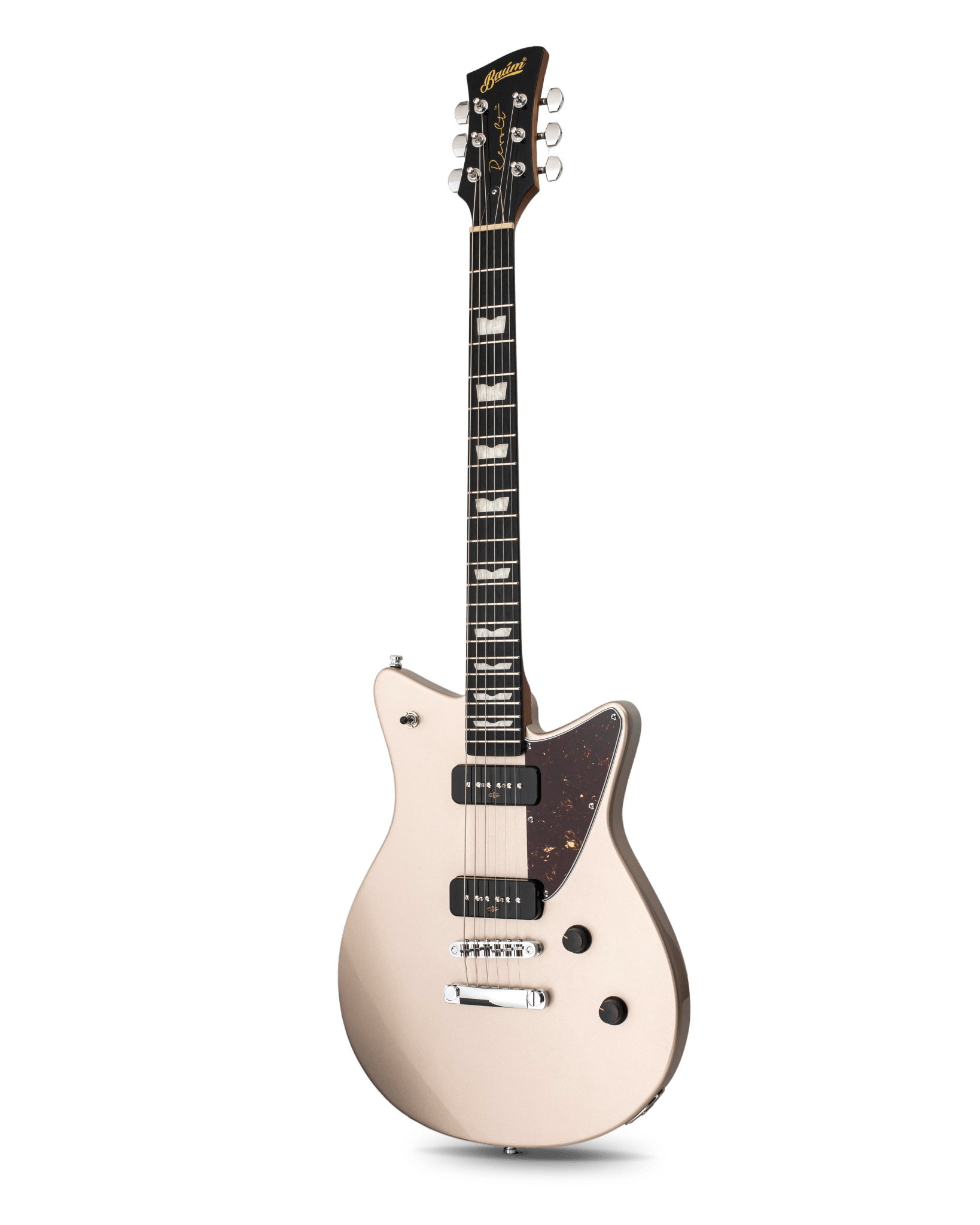
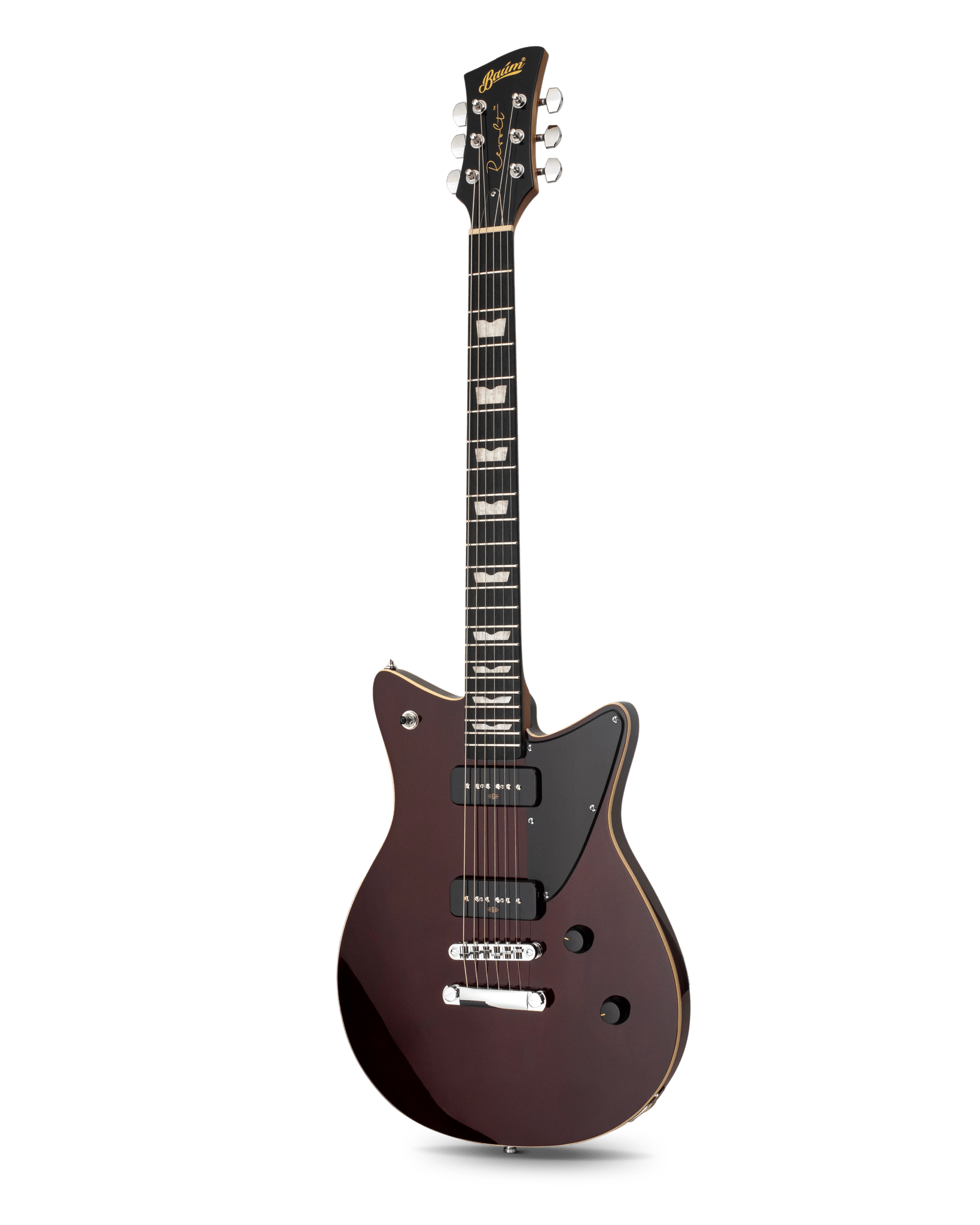
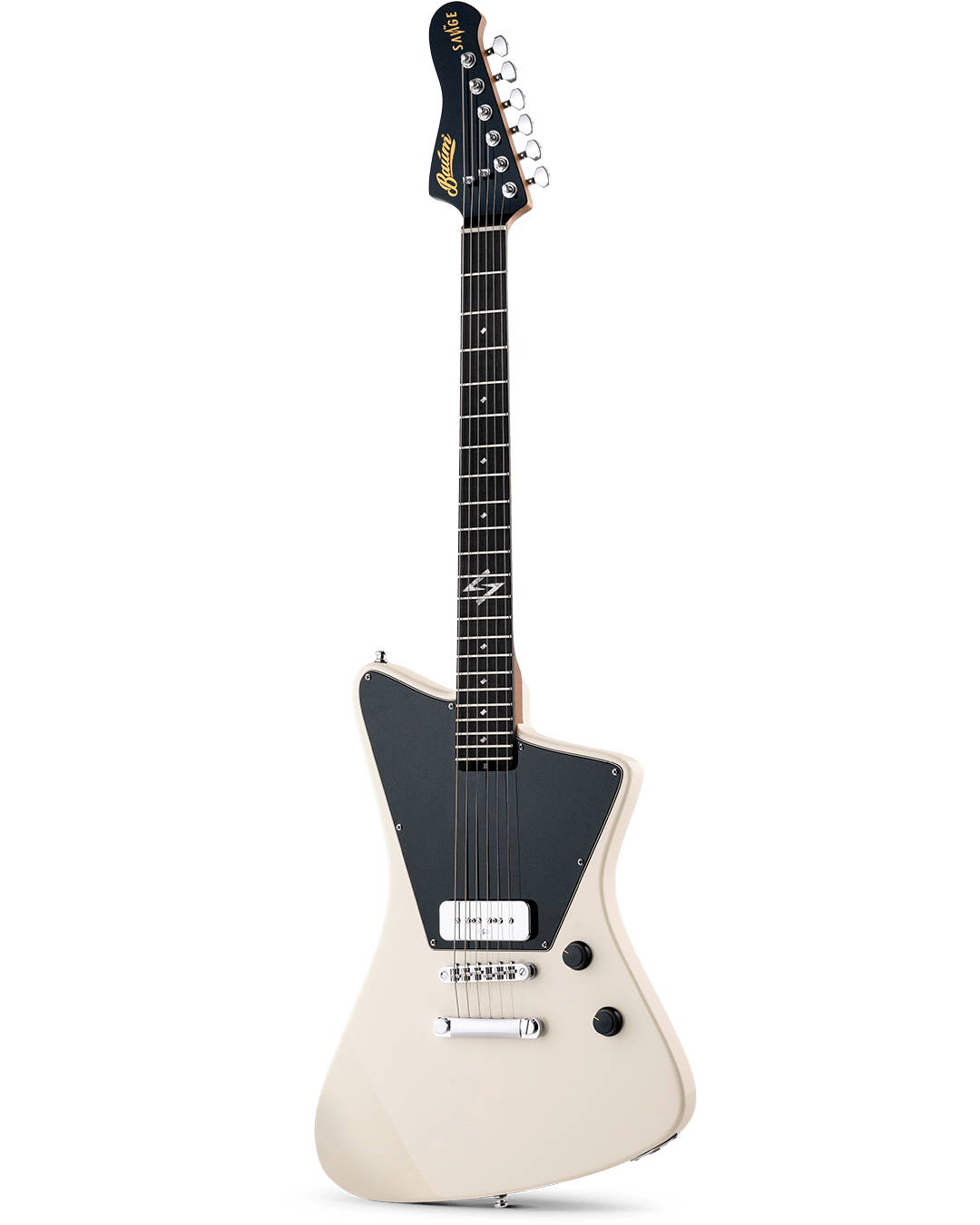
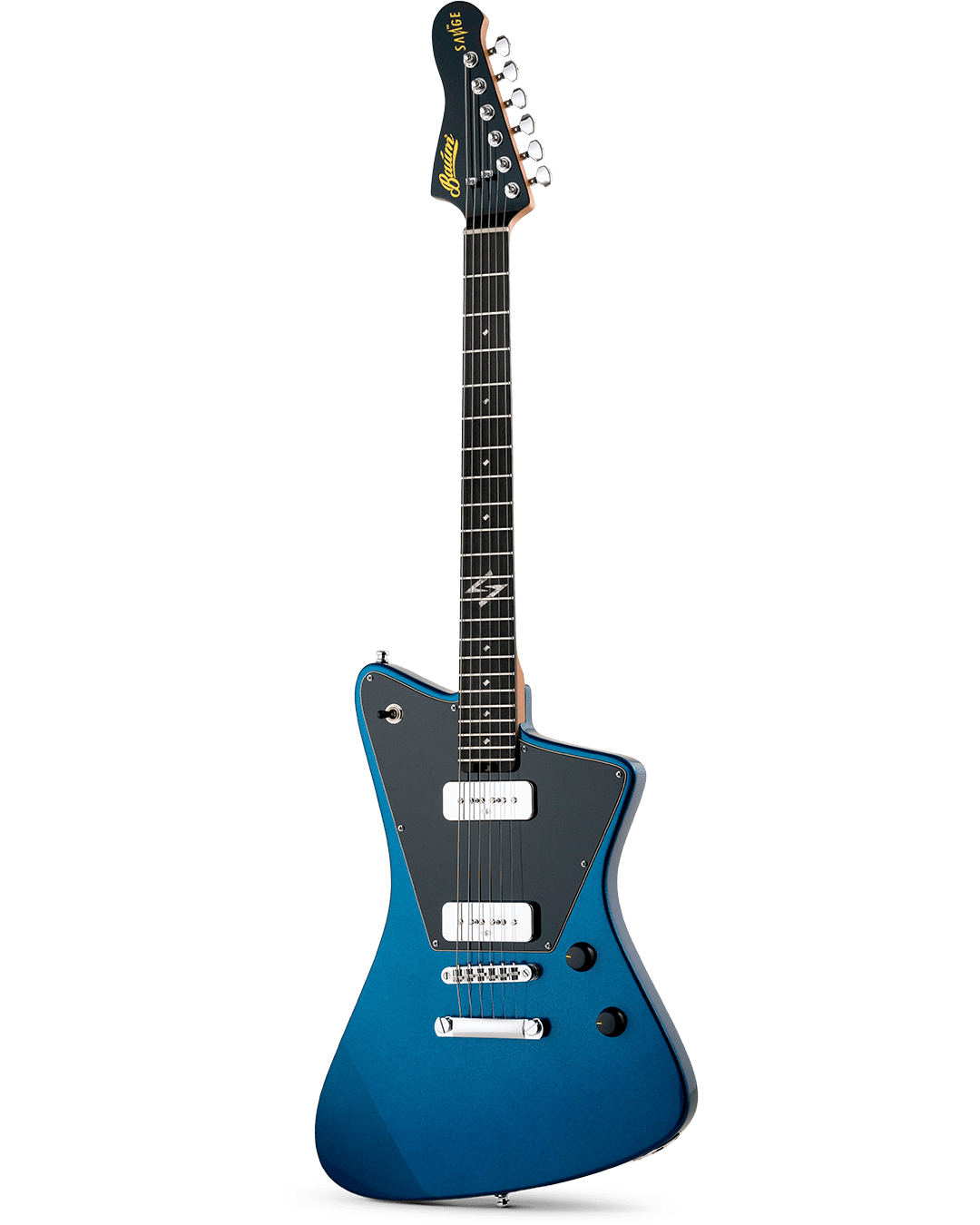
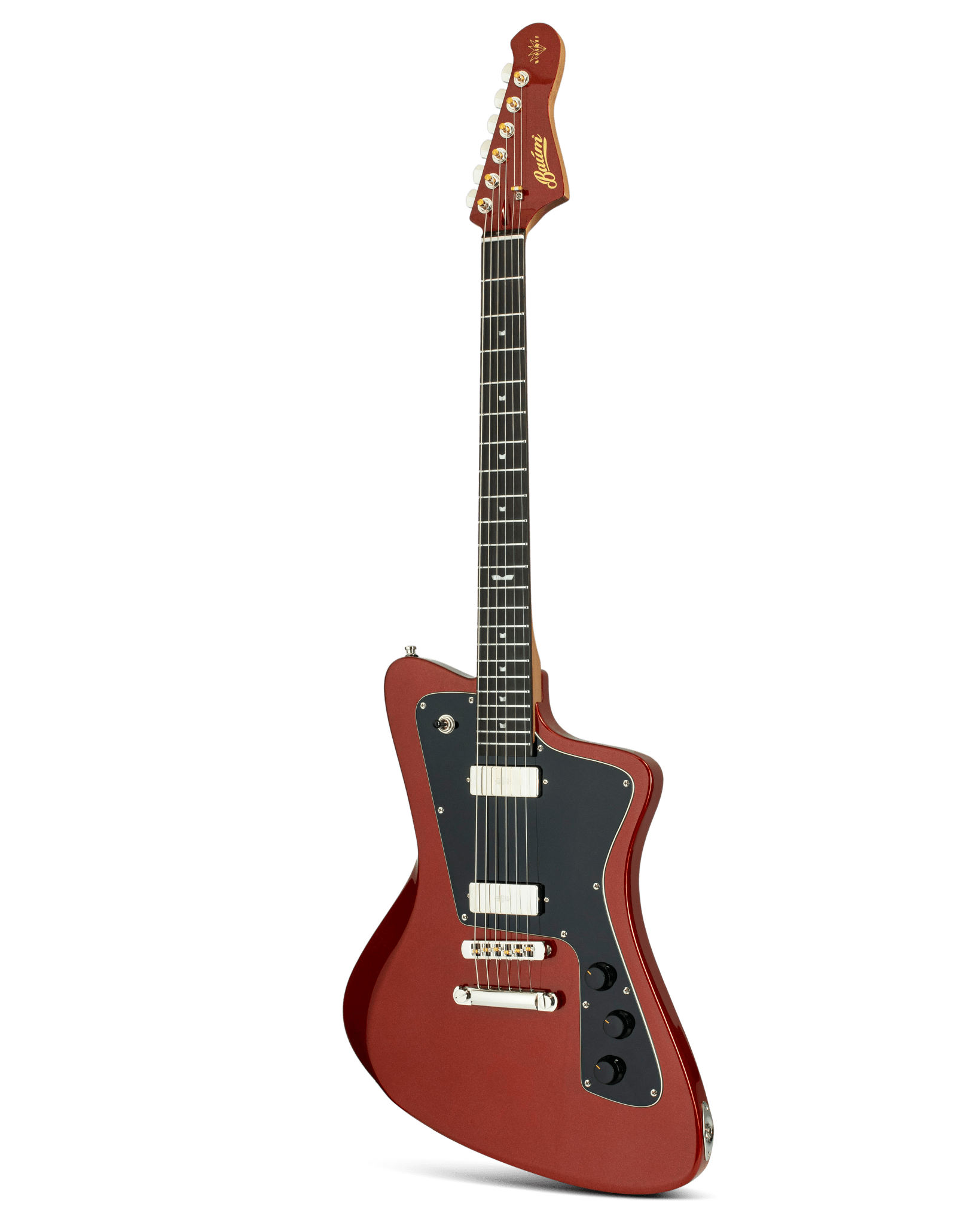
Two Baum models represent the classic solid body electric guitar format in its most direct form. Both are double-cut solid body electric guitars with Goldsound® Ember™ P-90 pickups, and both commit to P-90 tonal territory rather than covering broader ground.
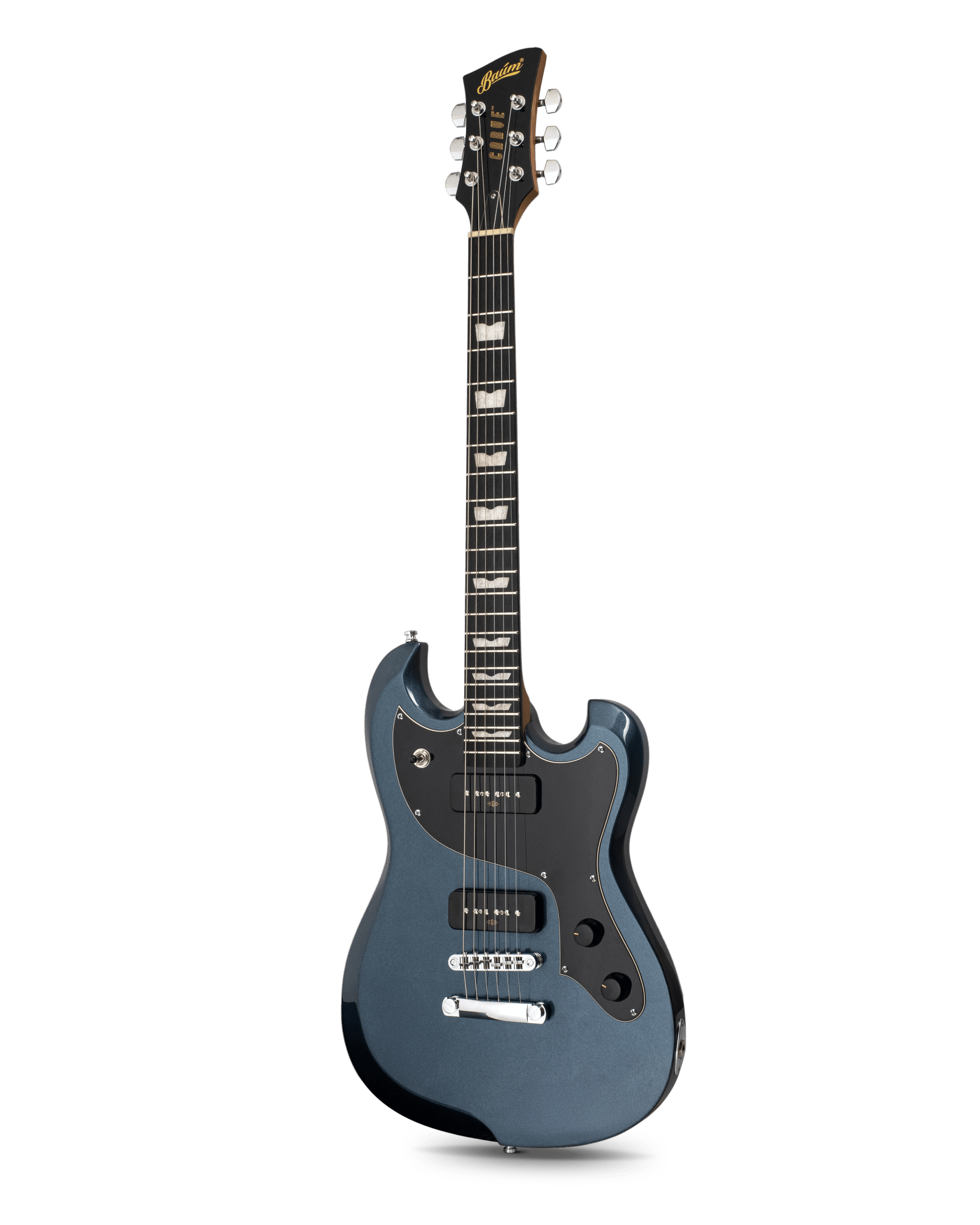
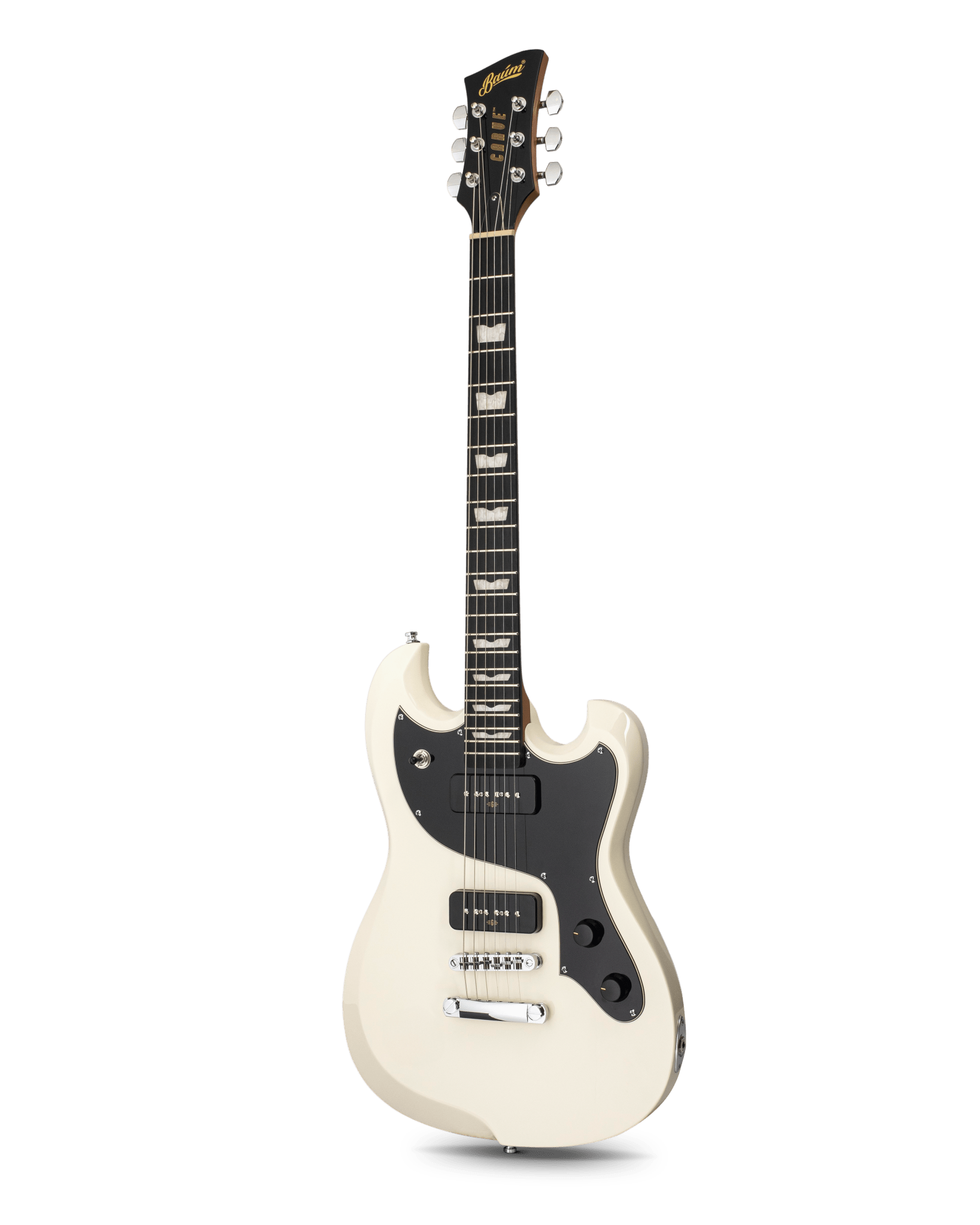
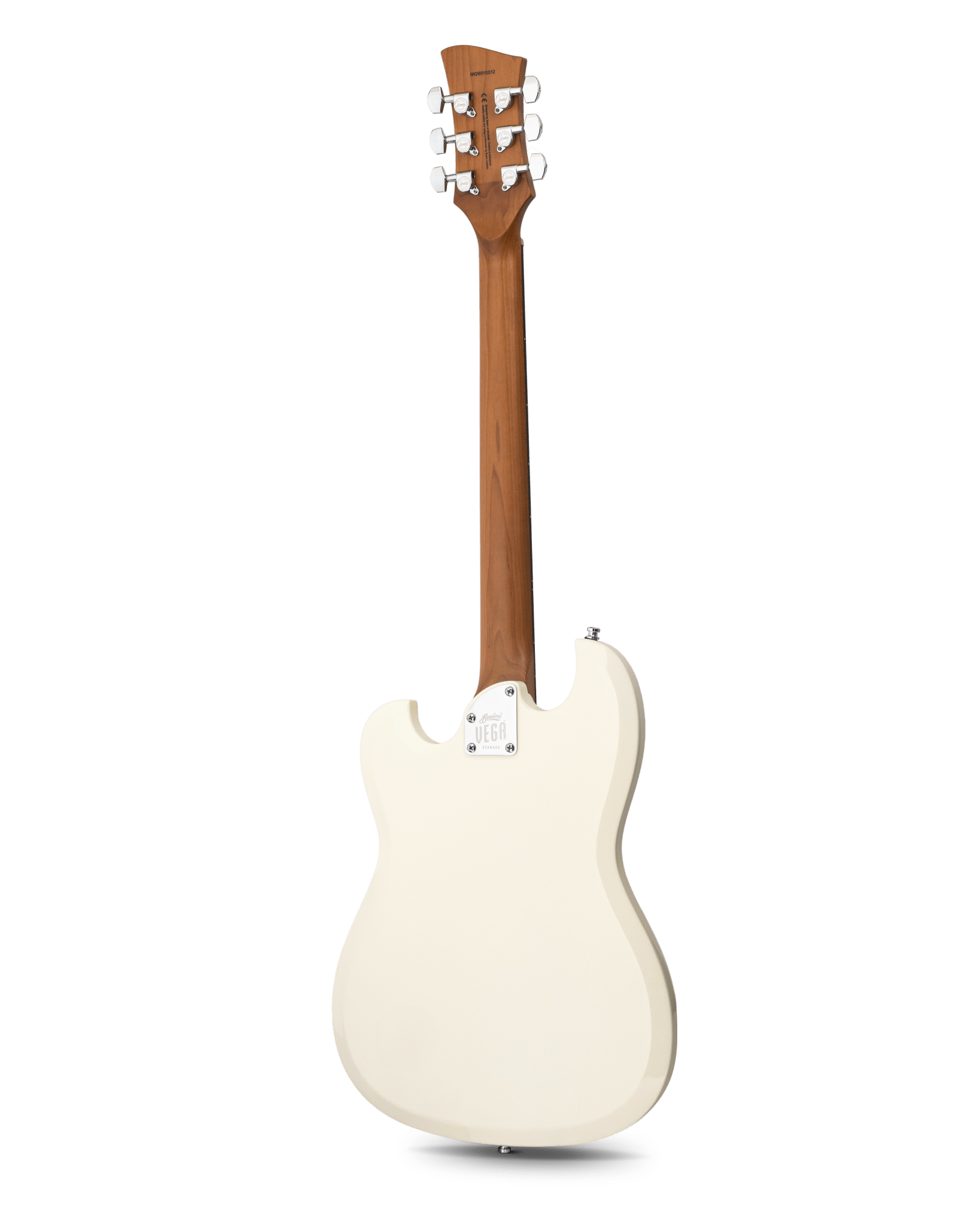
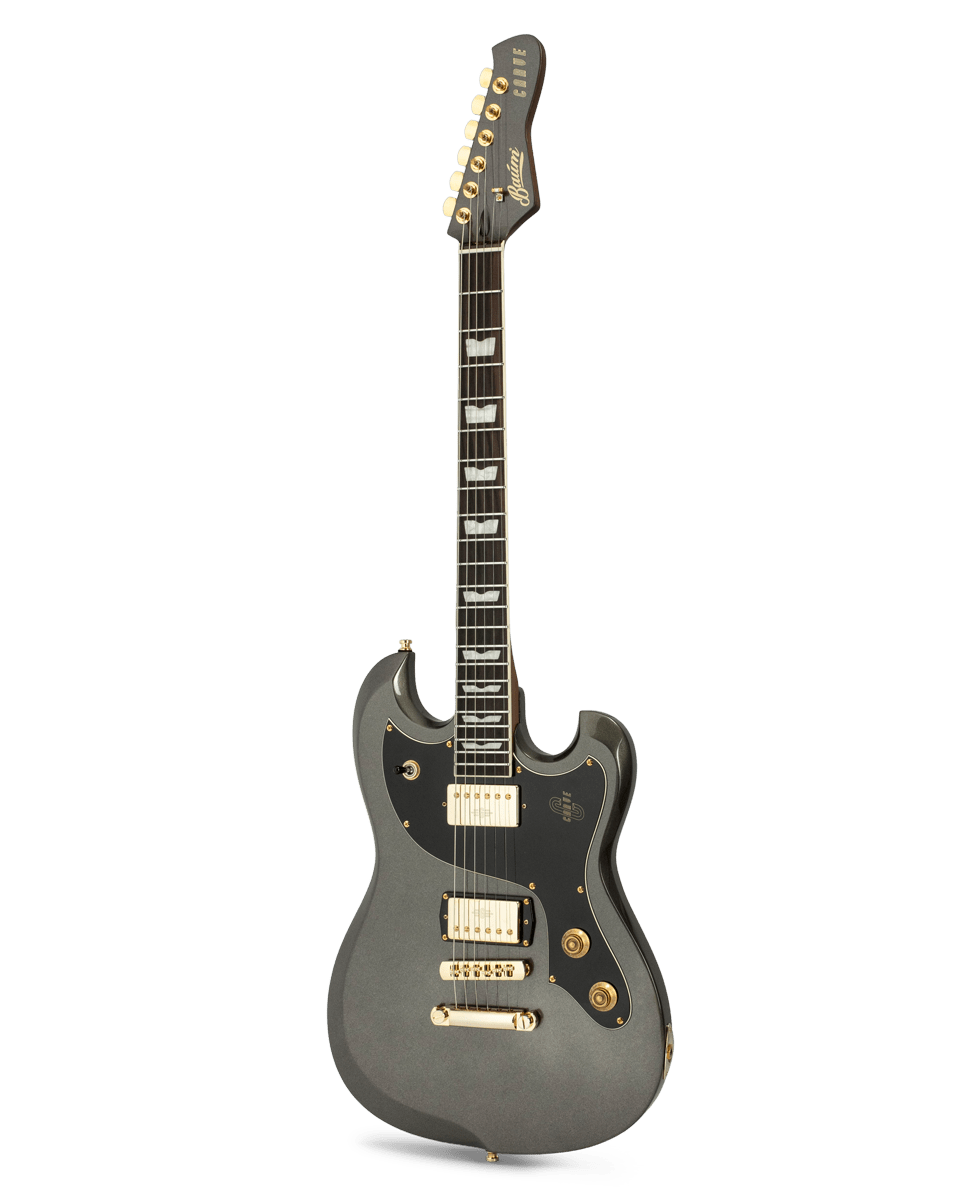
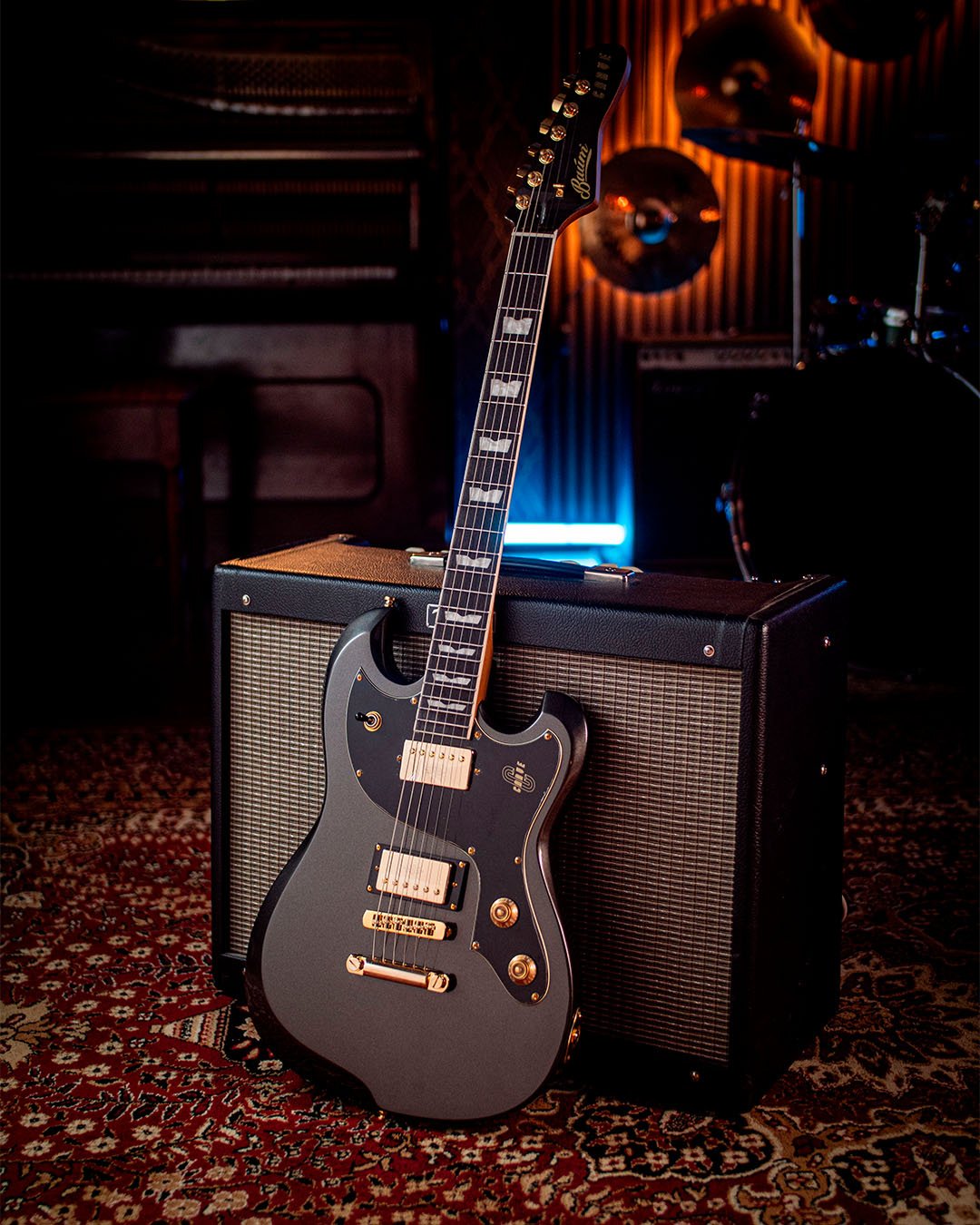
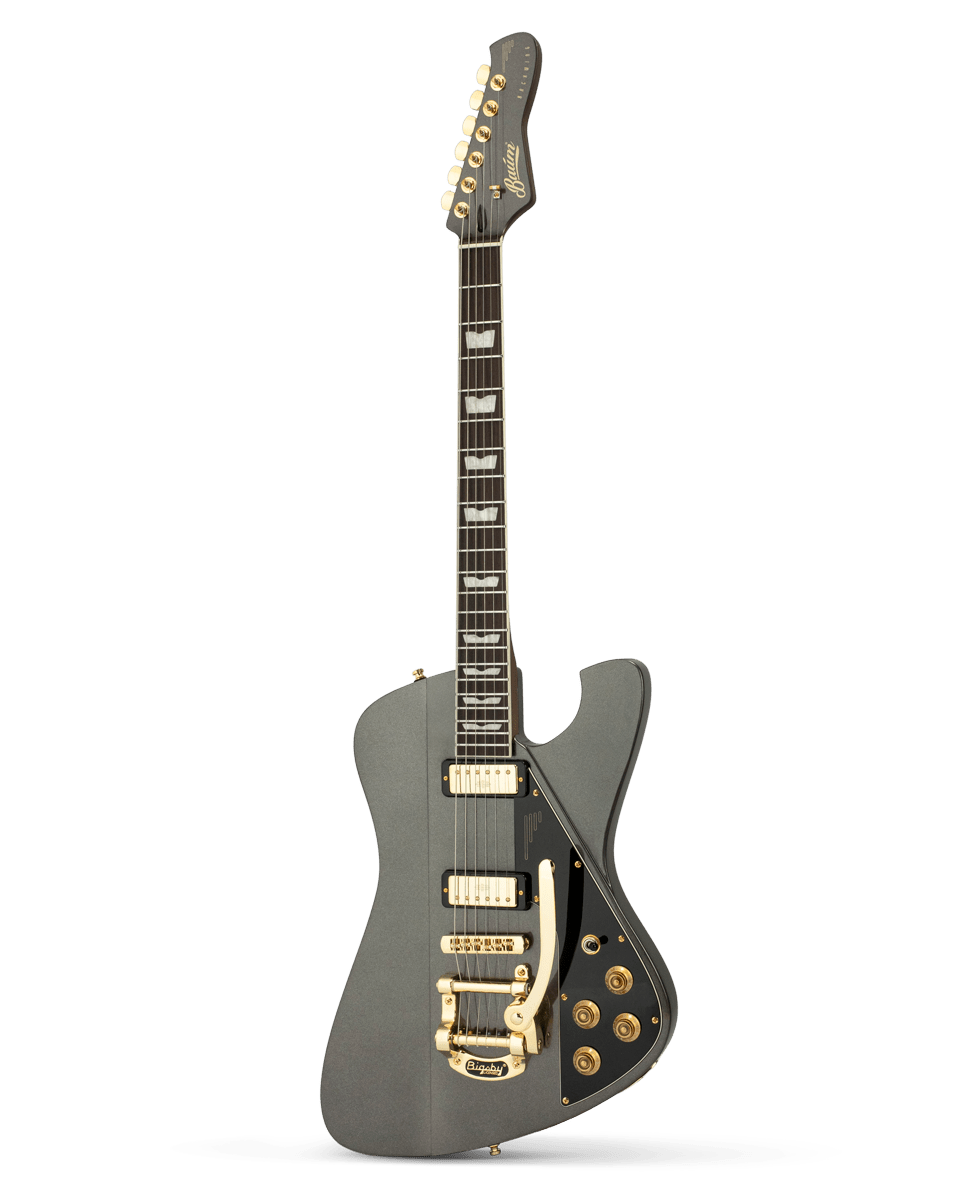
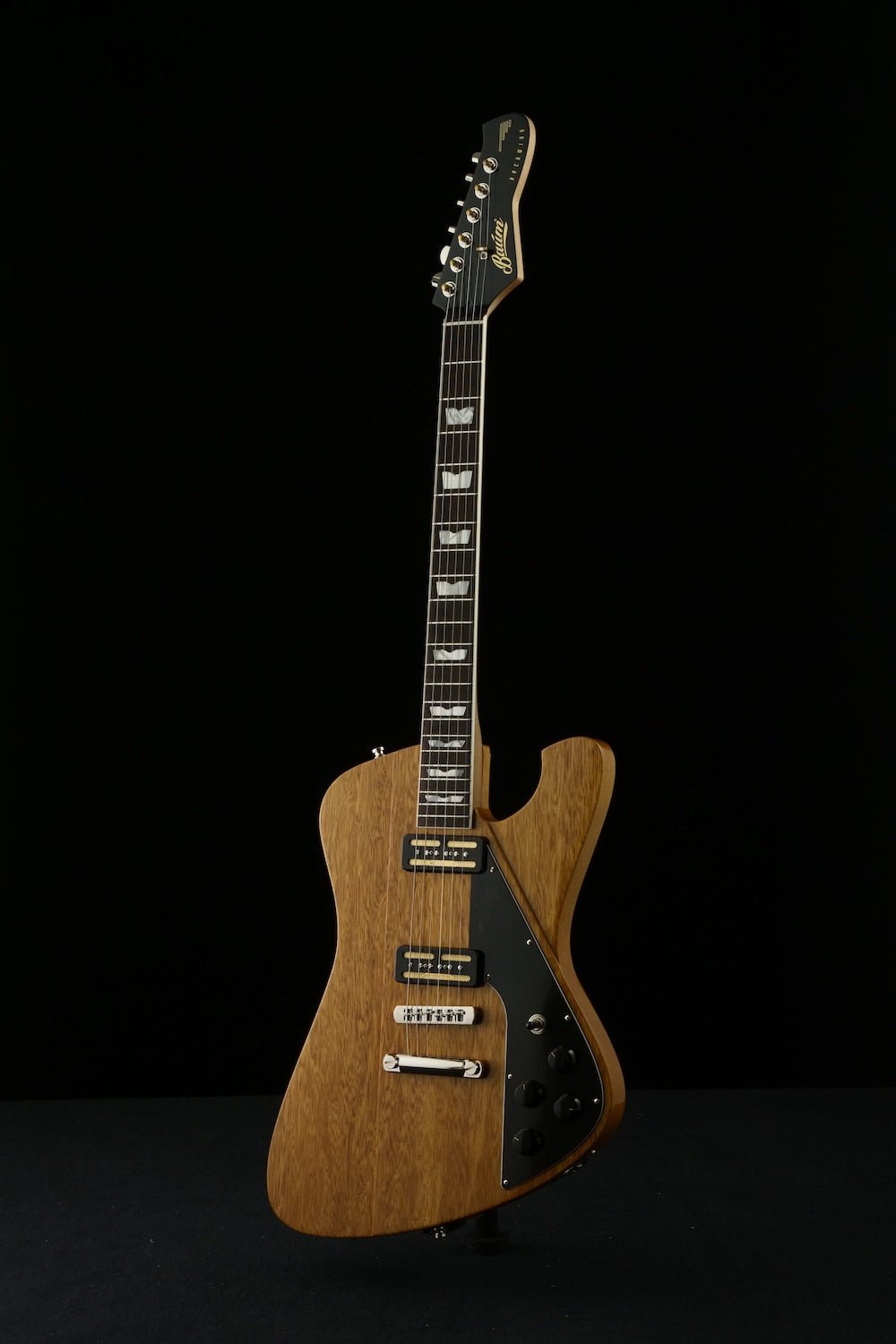
The Carve is Baum's modern SG-style solid body electric guitar, built with sharper, more angular body geometry and a raw, mid-forward tonal directness. The construction is designed to give the Ember™ P-90 pickups maximum dynamic response, with the thin body profile transmitting string vibration efficiently and the neck stability holding the P-90 voicing consistent across playing sessions.
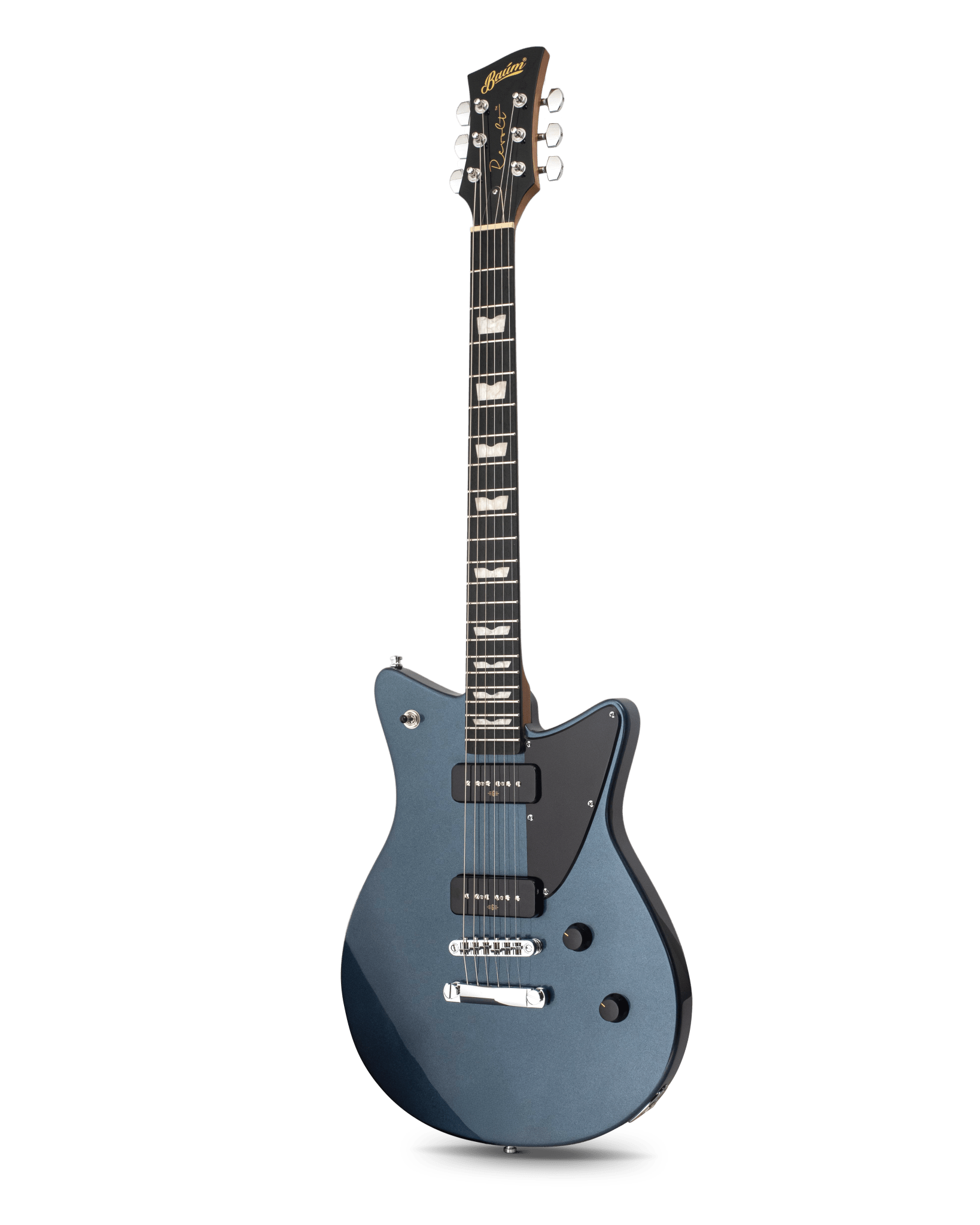
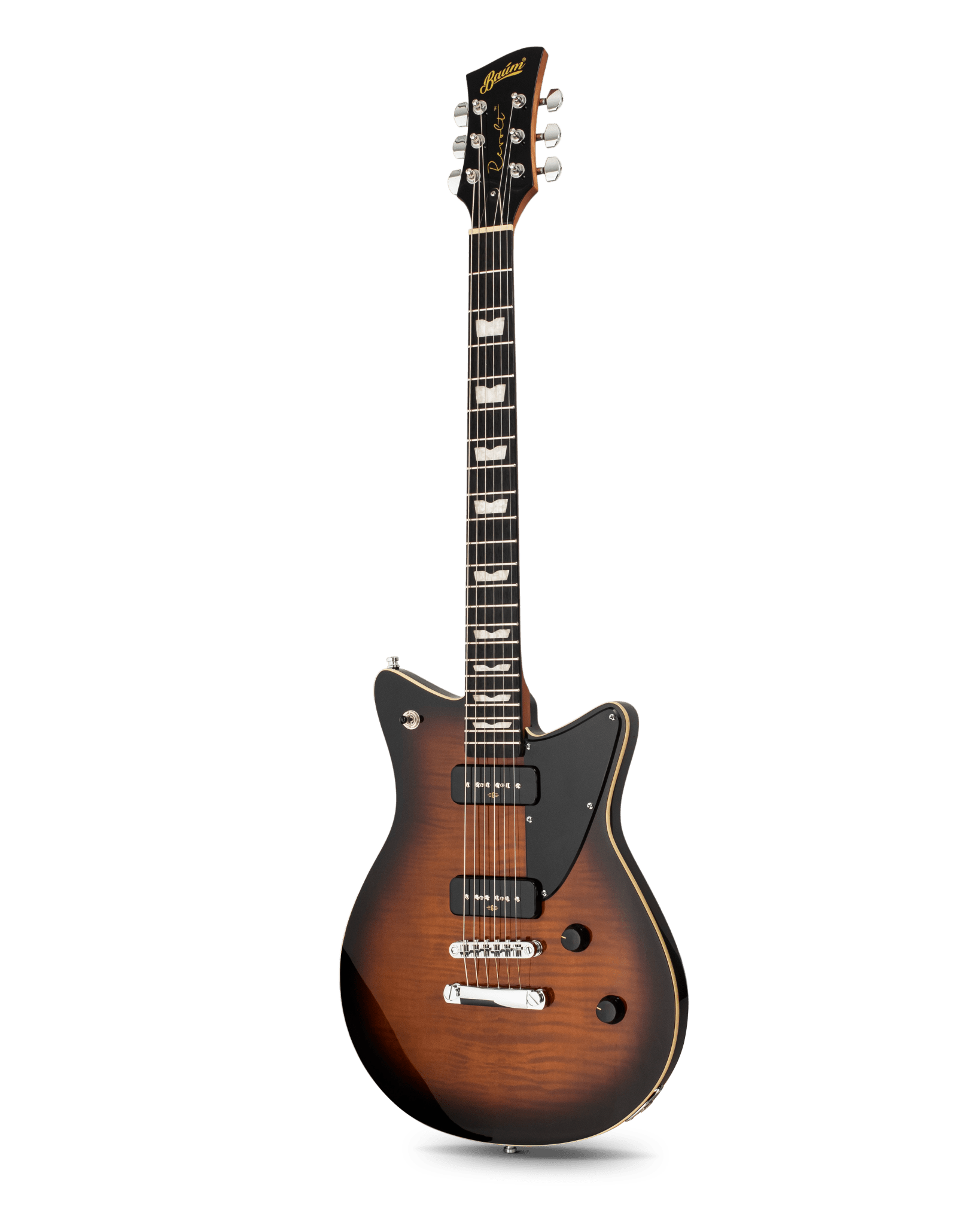
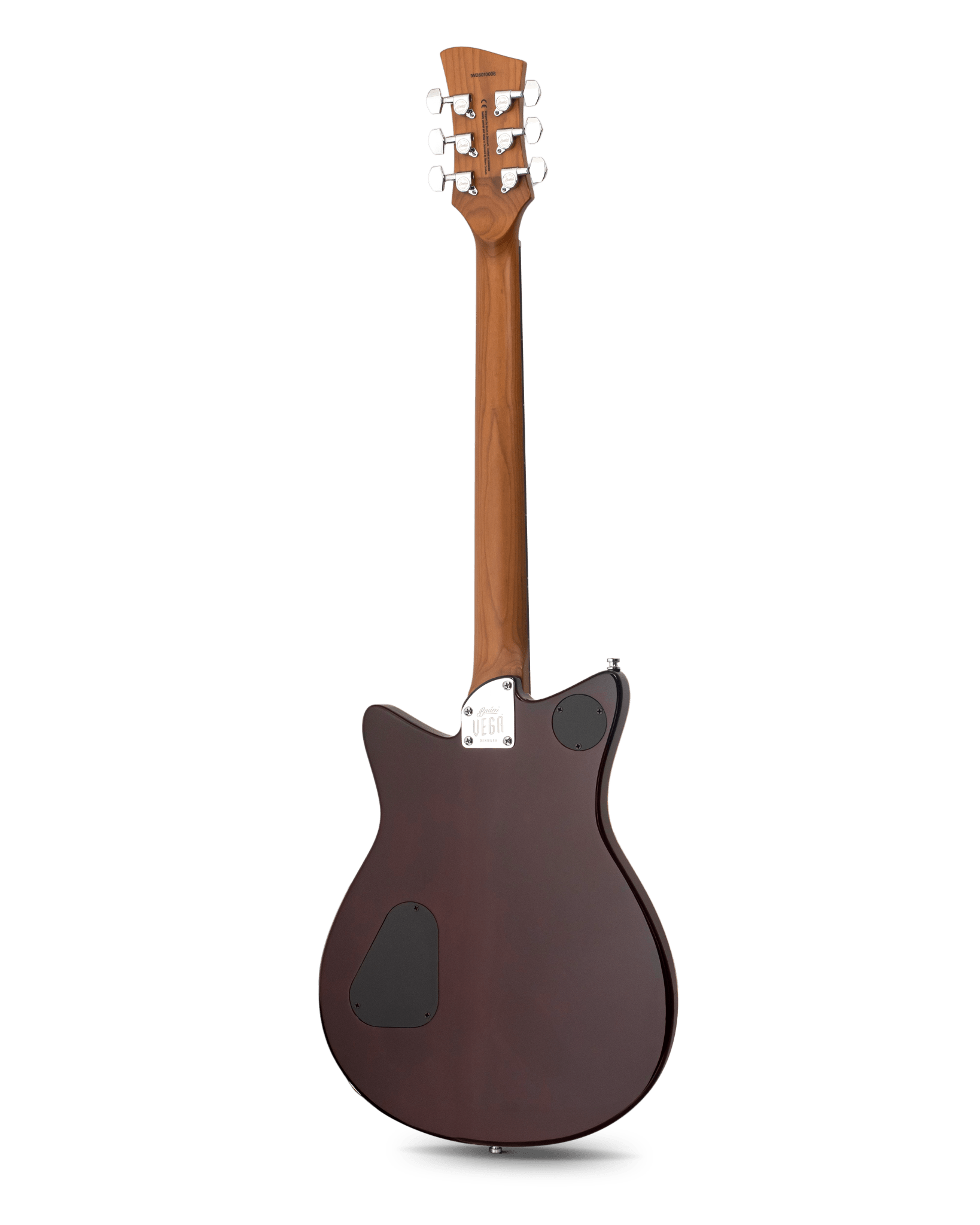
The Revolt is the classic-leaning solid body double-cut interpretation, with rounded vintage-derived body contours and a tonal character built around classic rock and roll attitude. The same Ember™ P-90 pickups, but presented on a body shape that references the late-1950s solid body electric guitar tradition rather than the modern SG-style geometry.
Two different personalities in the same double-cut solid body format, both built on the same Baum construction platform underneath.
Solid body construction across the wider Baum lineup
Solid body electric guitars in the Baum catalogue extend beyond the traditional double-cut format. The same 36mm mahogany body construction, the same roasted maple neck approach and the same in-house hardware development show up across four different body formats.
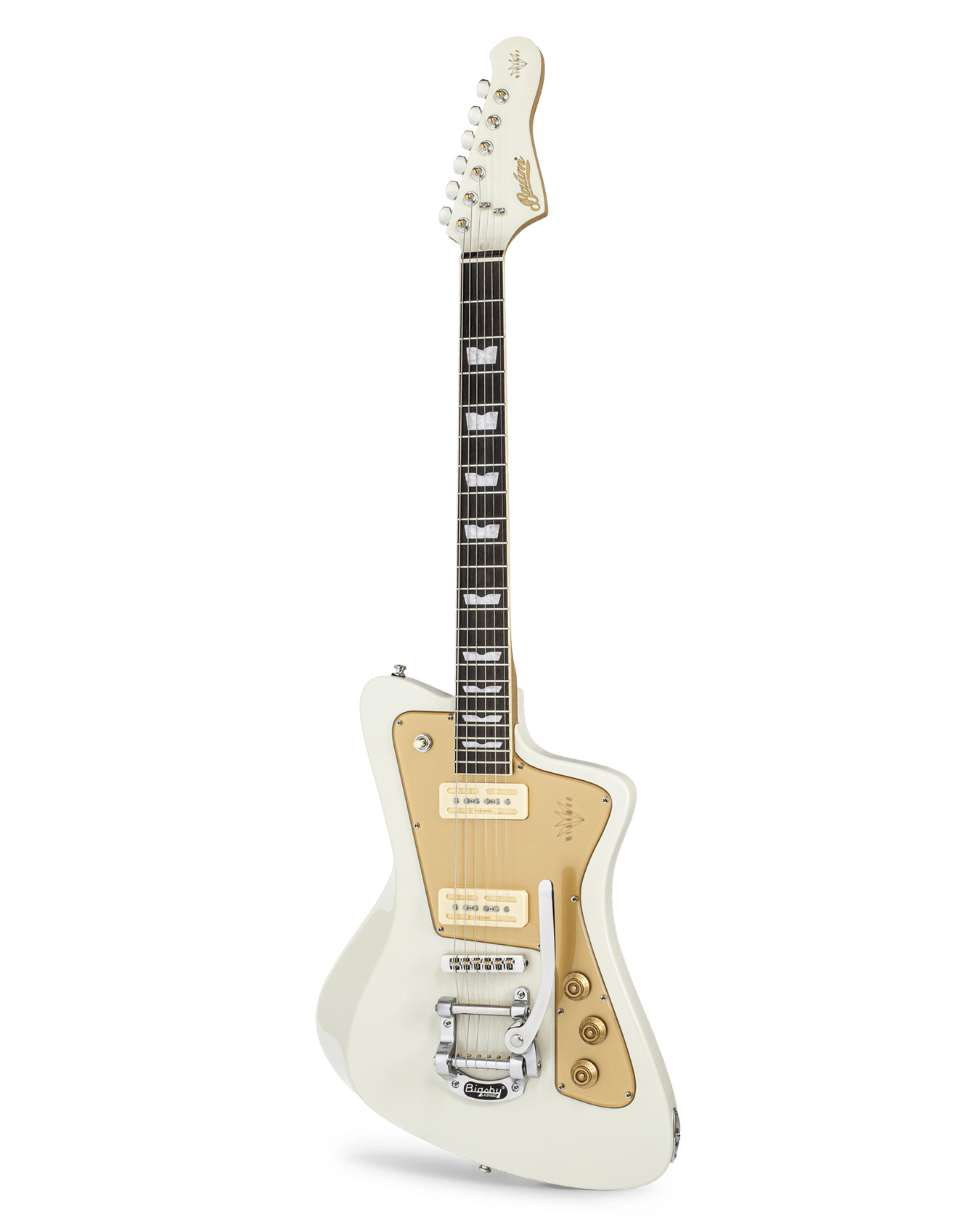
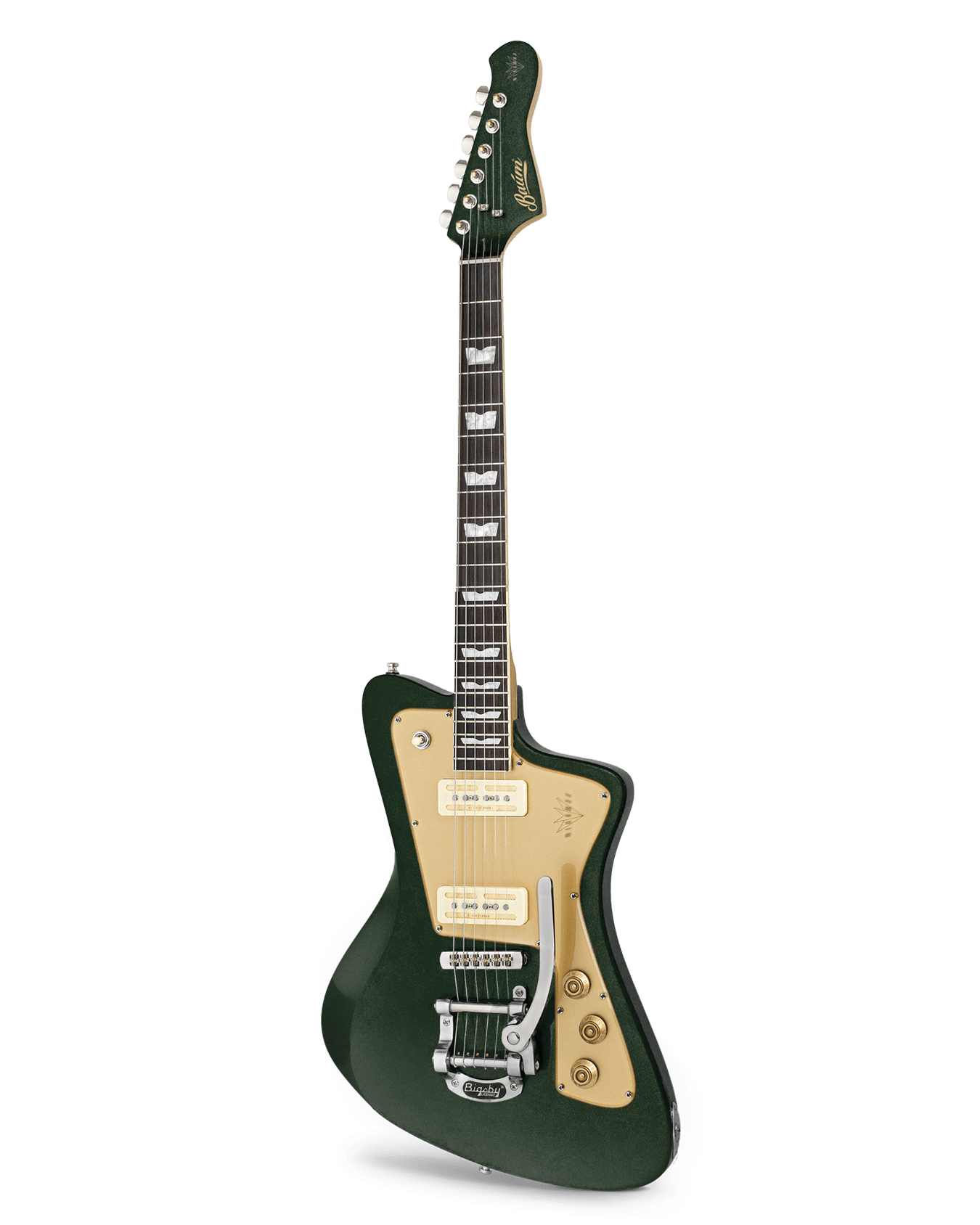
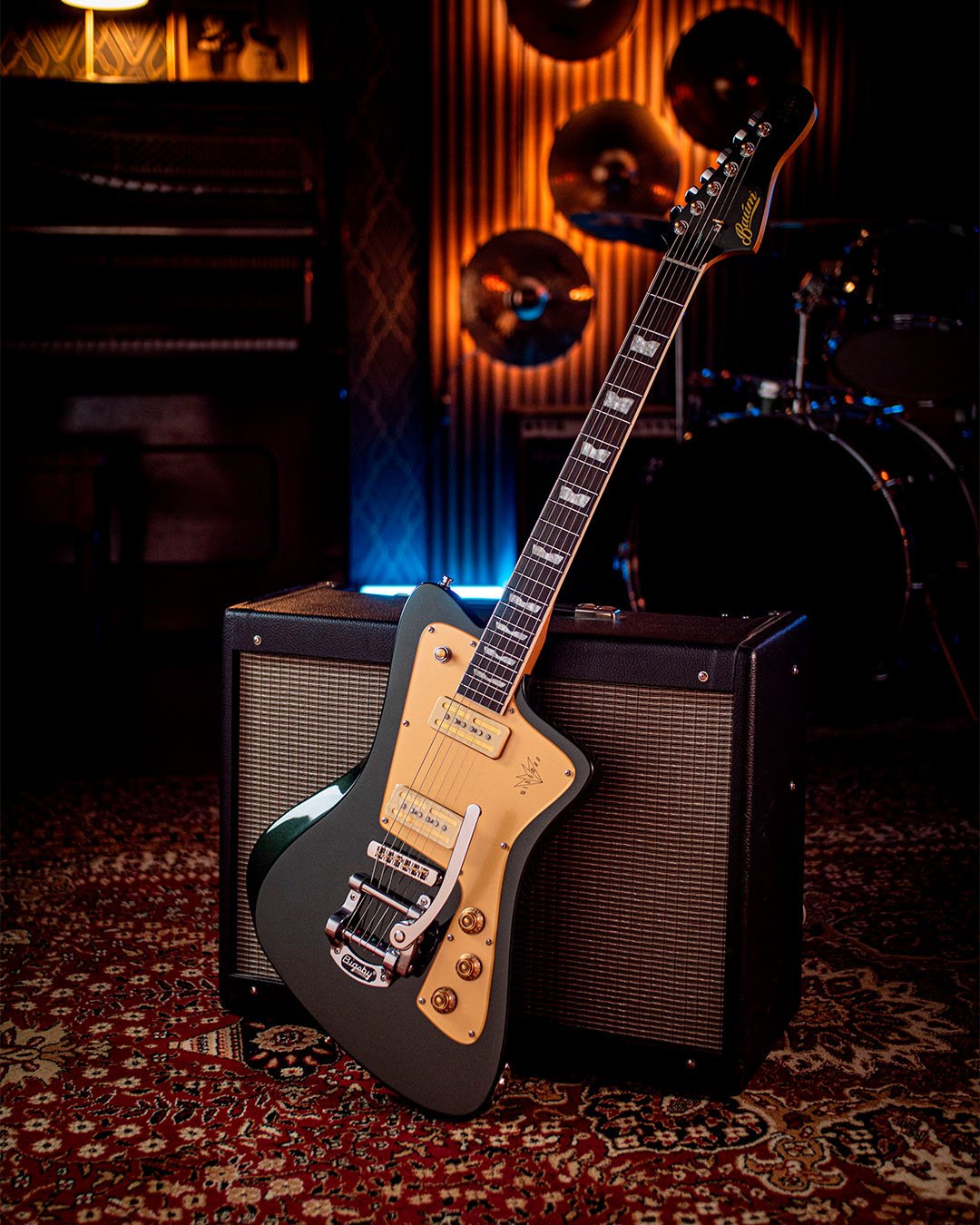
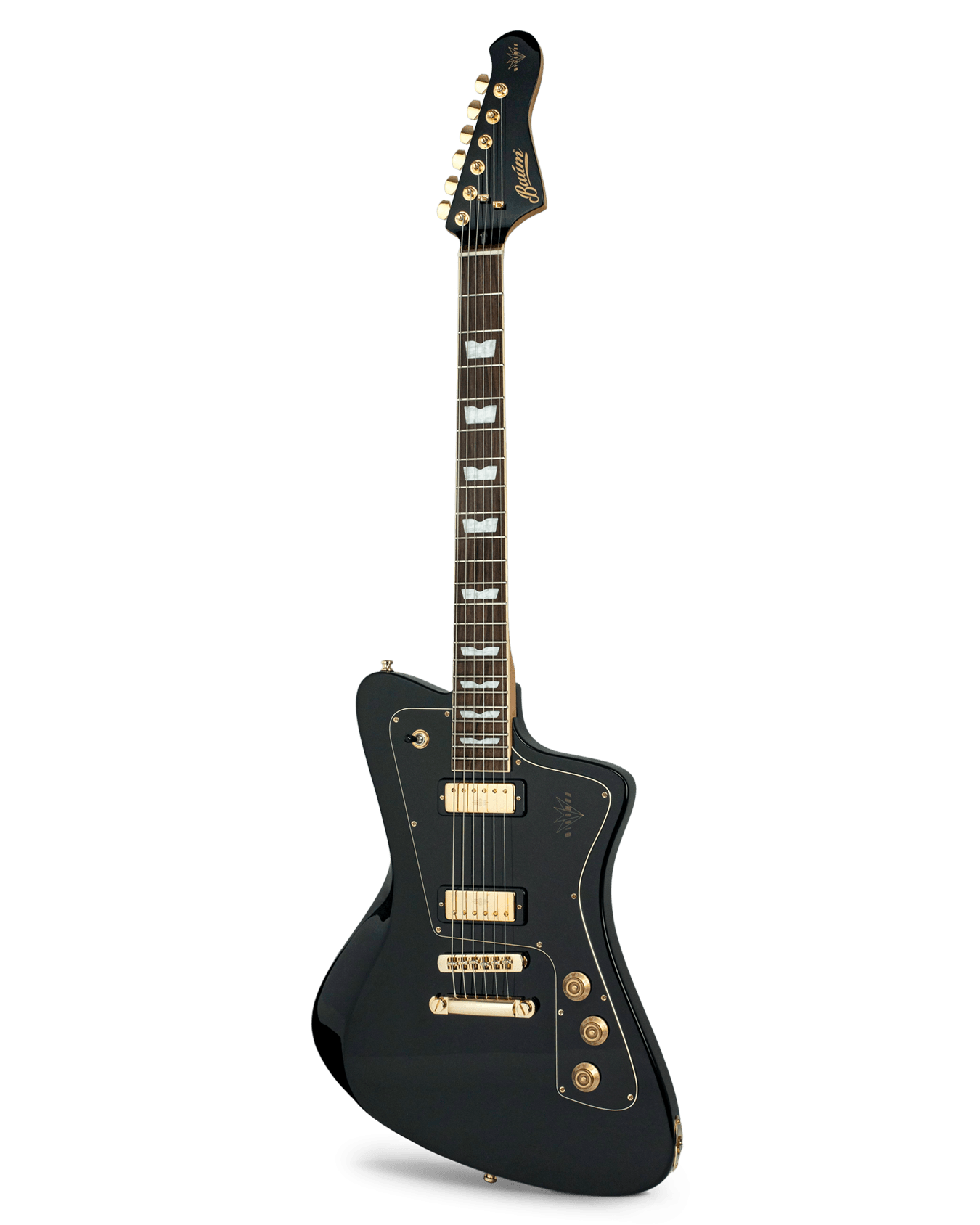
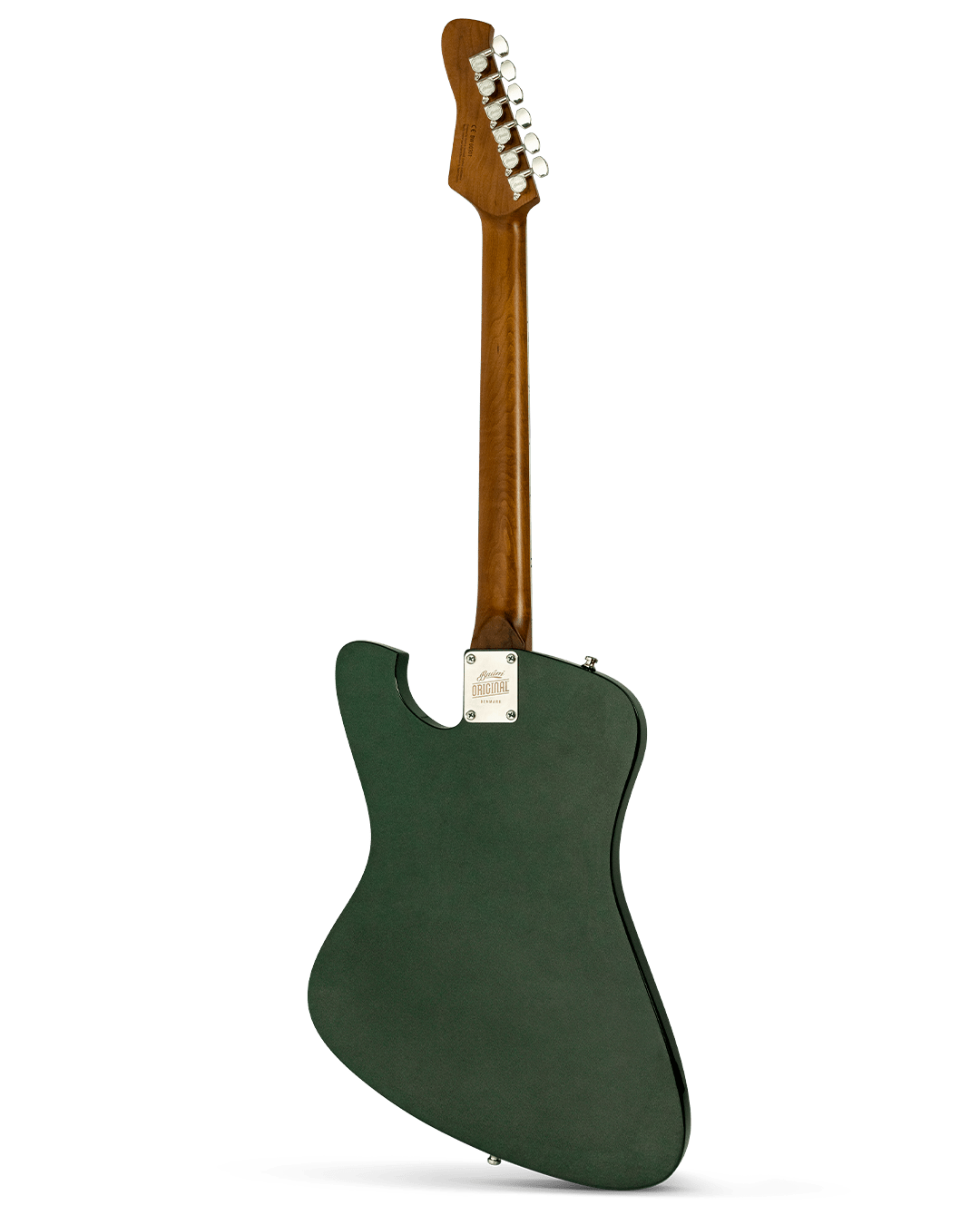
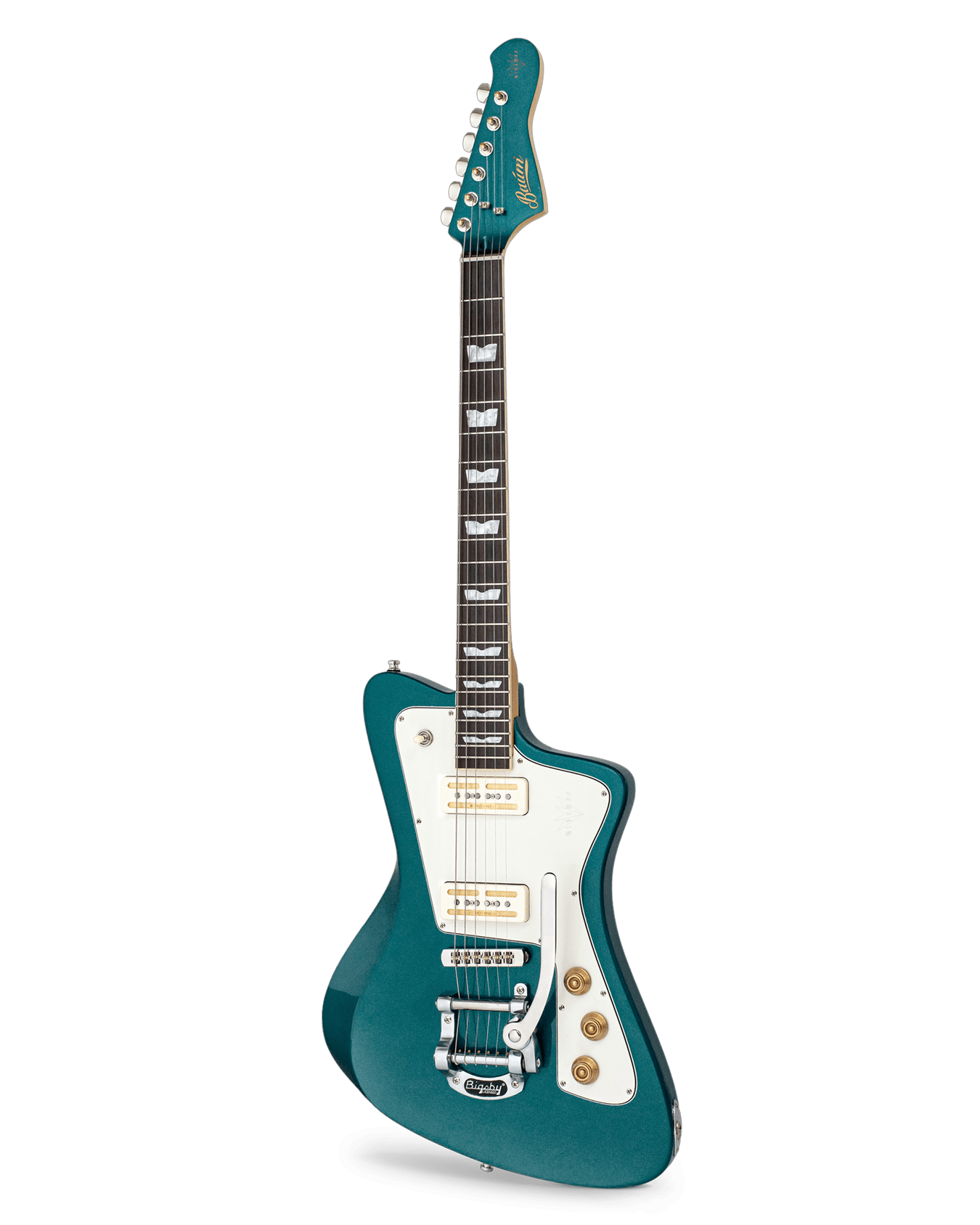
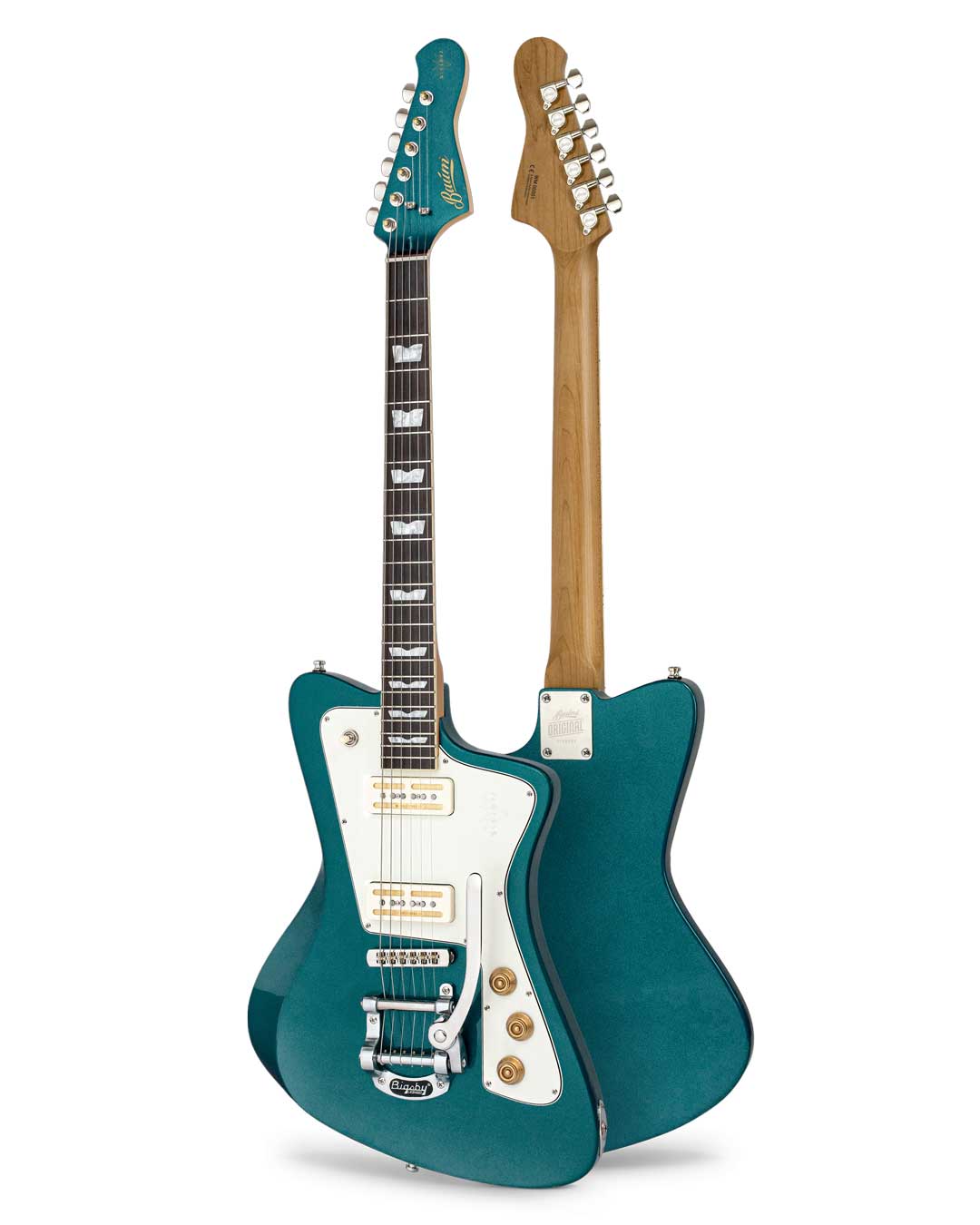
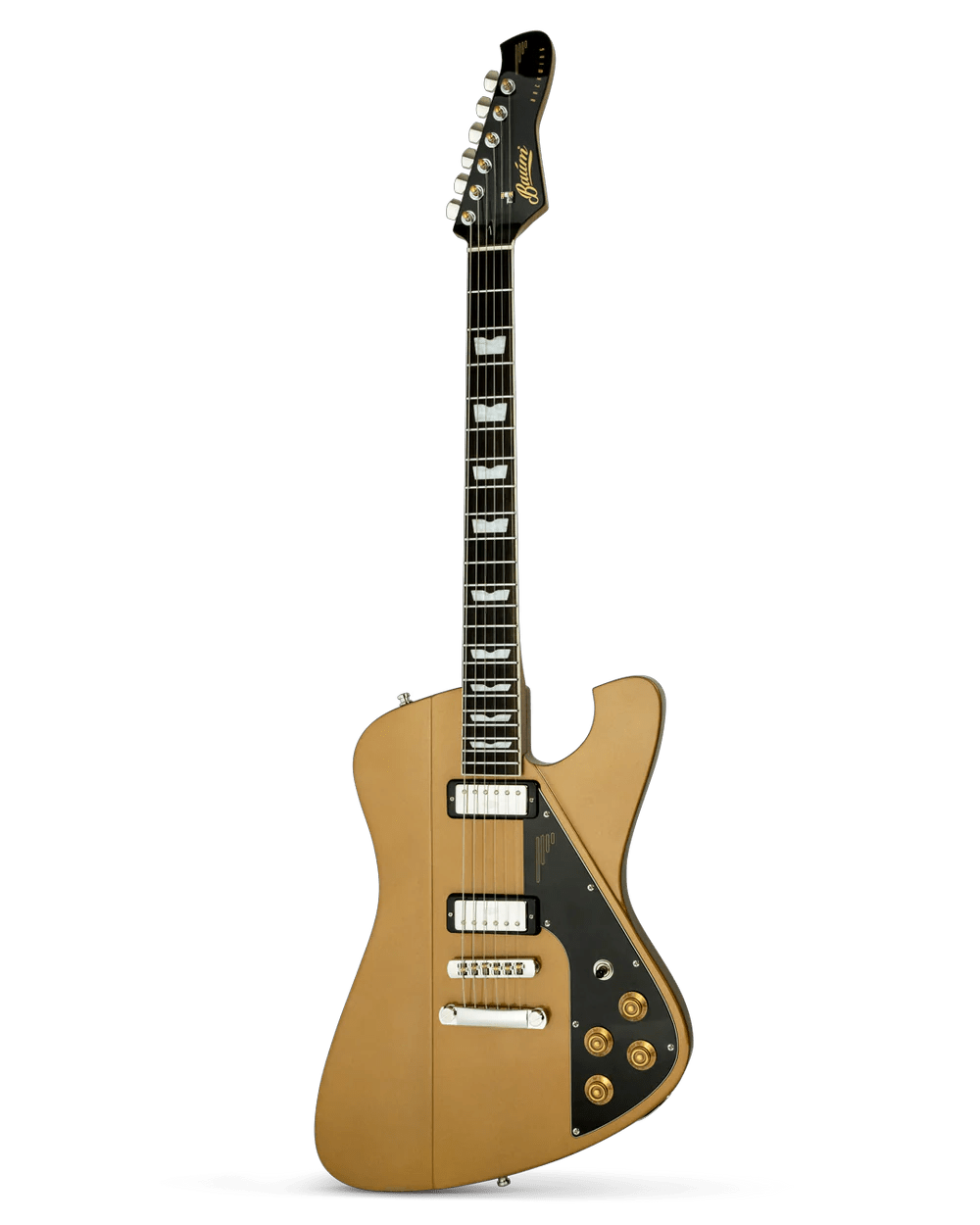
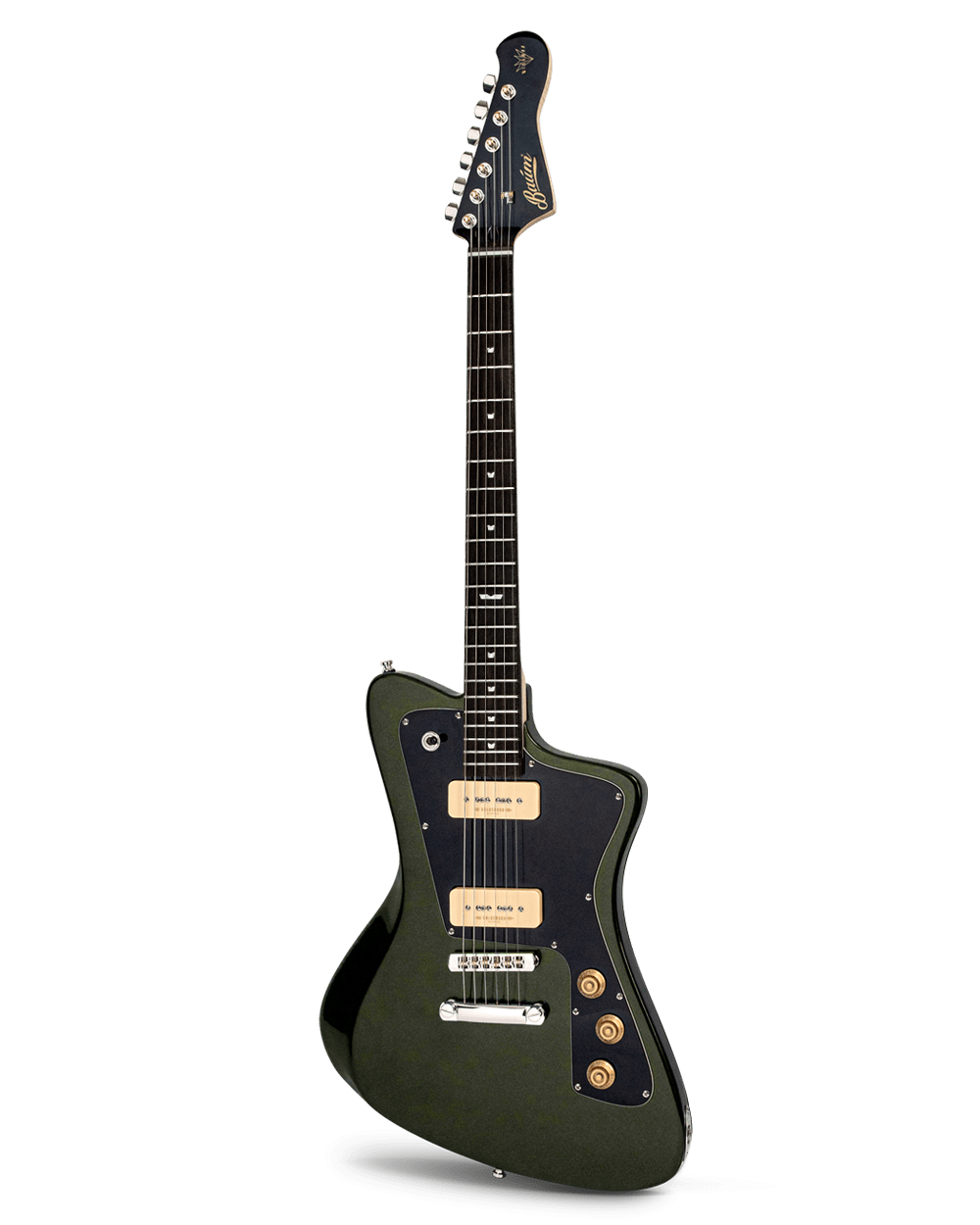
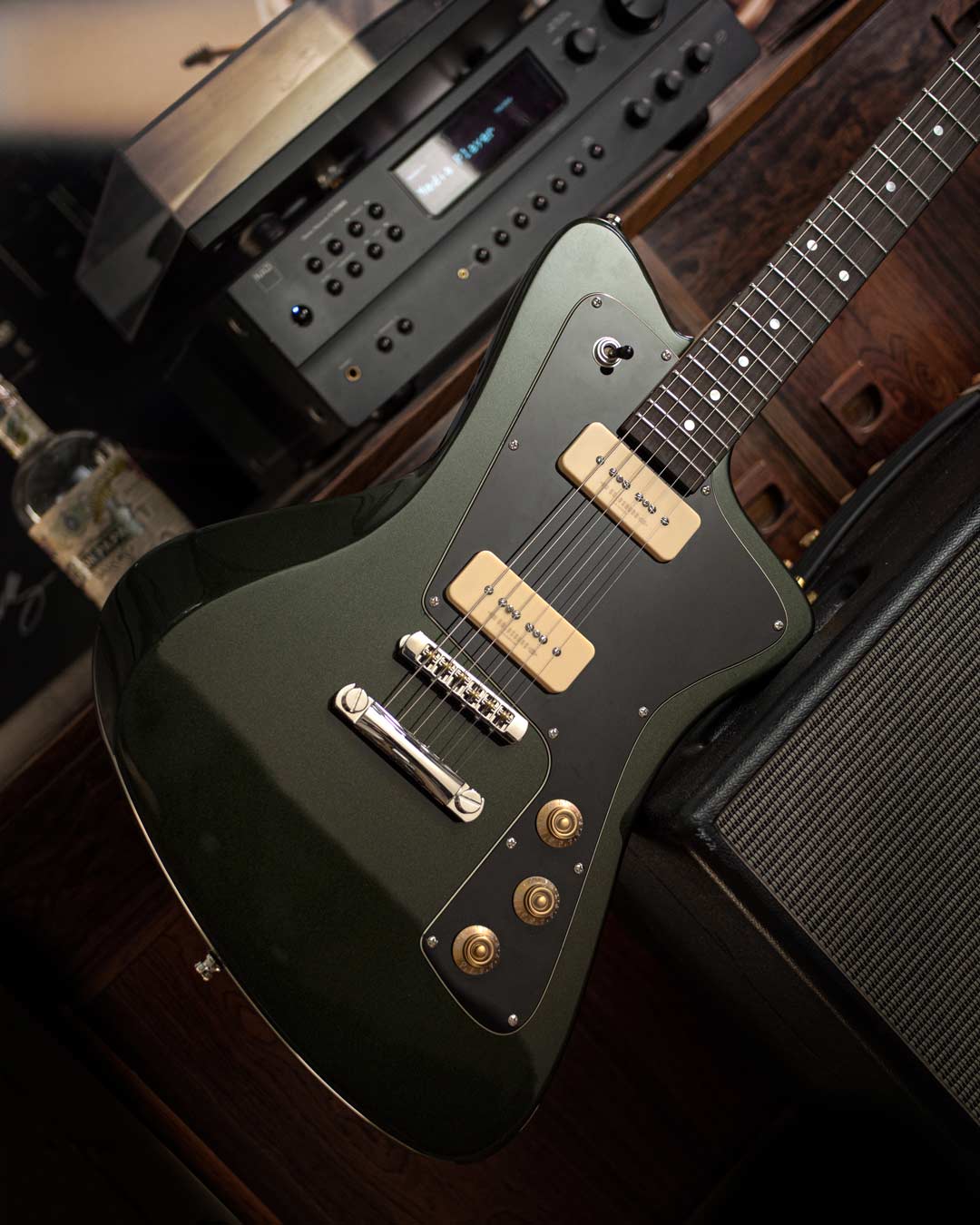
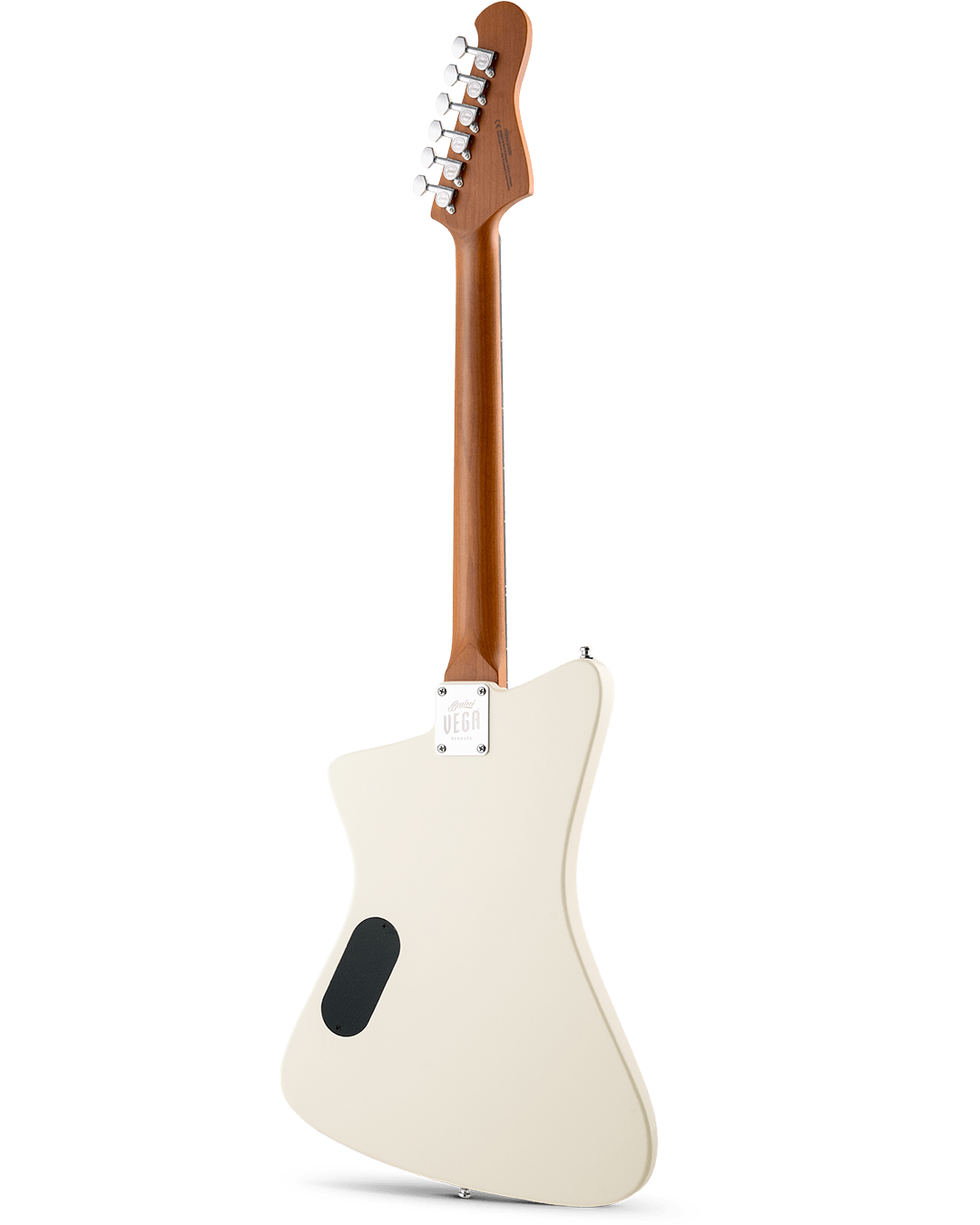
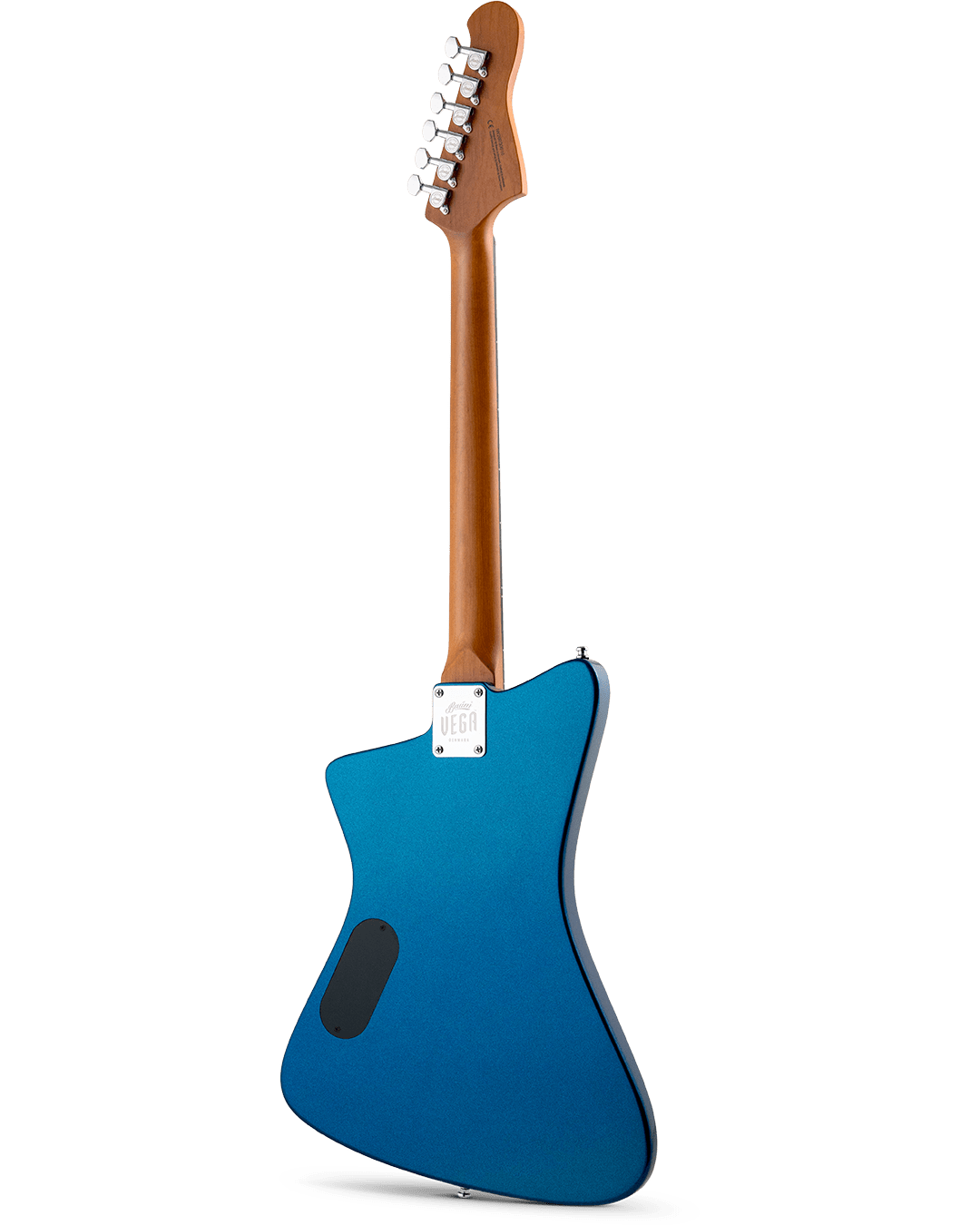
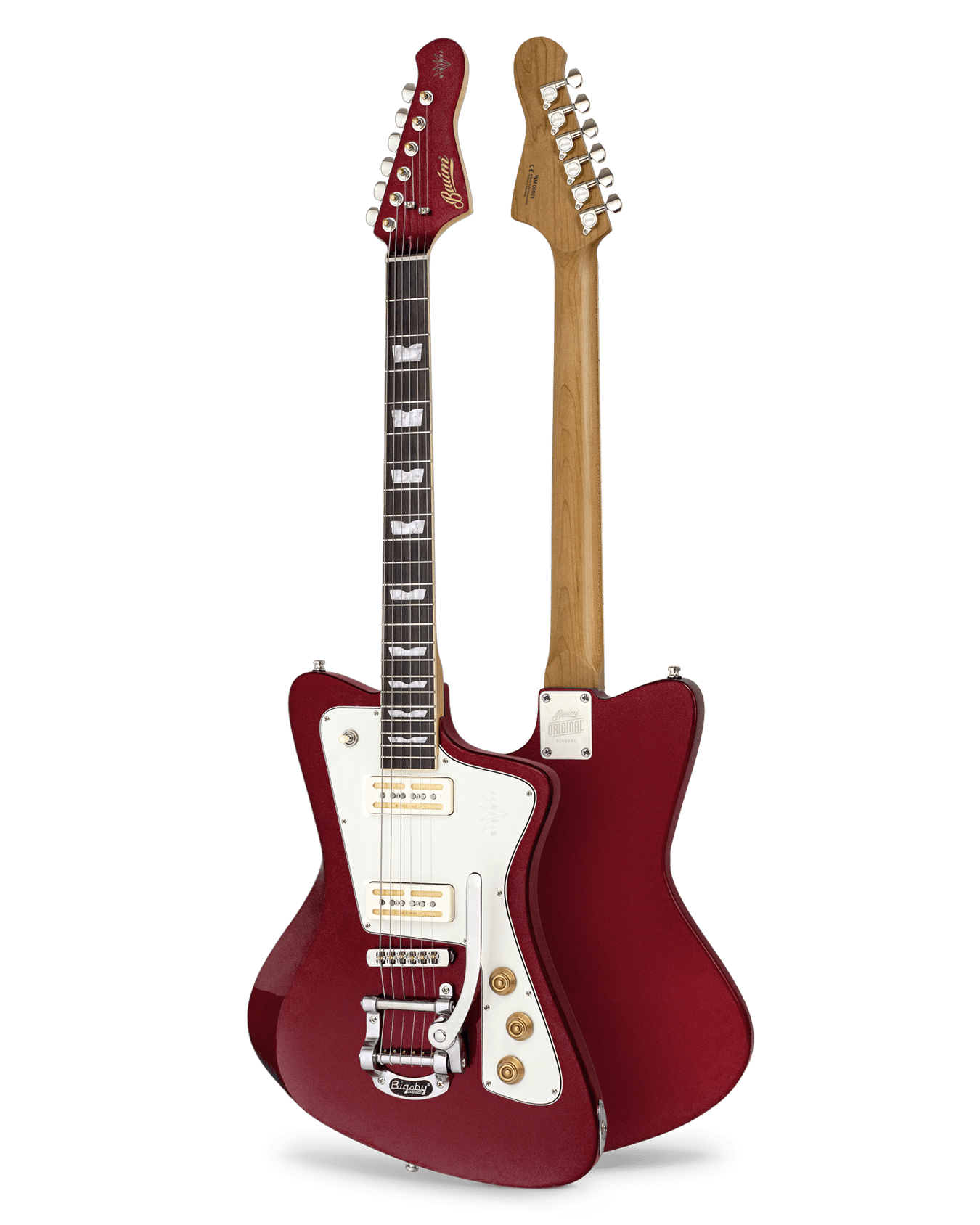
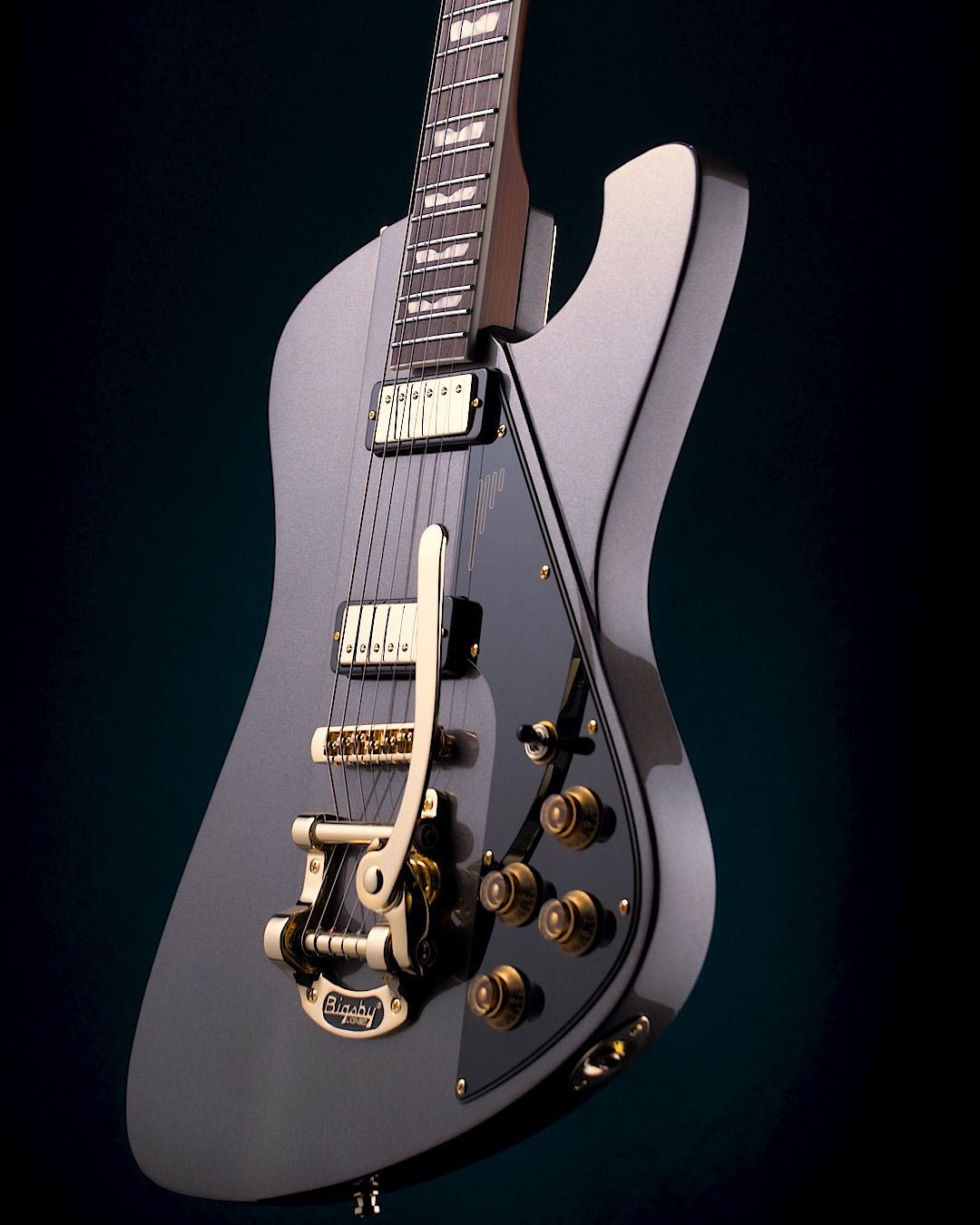
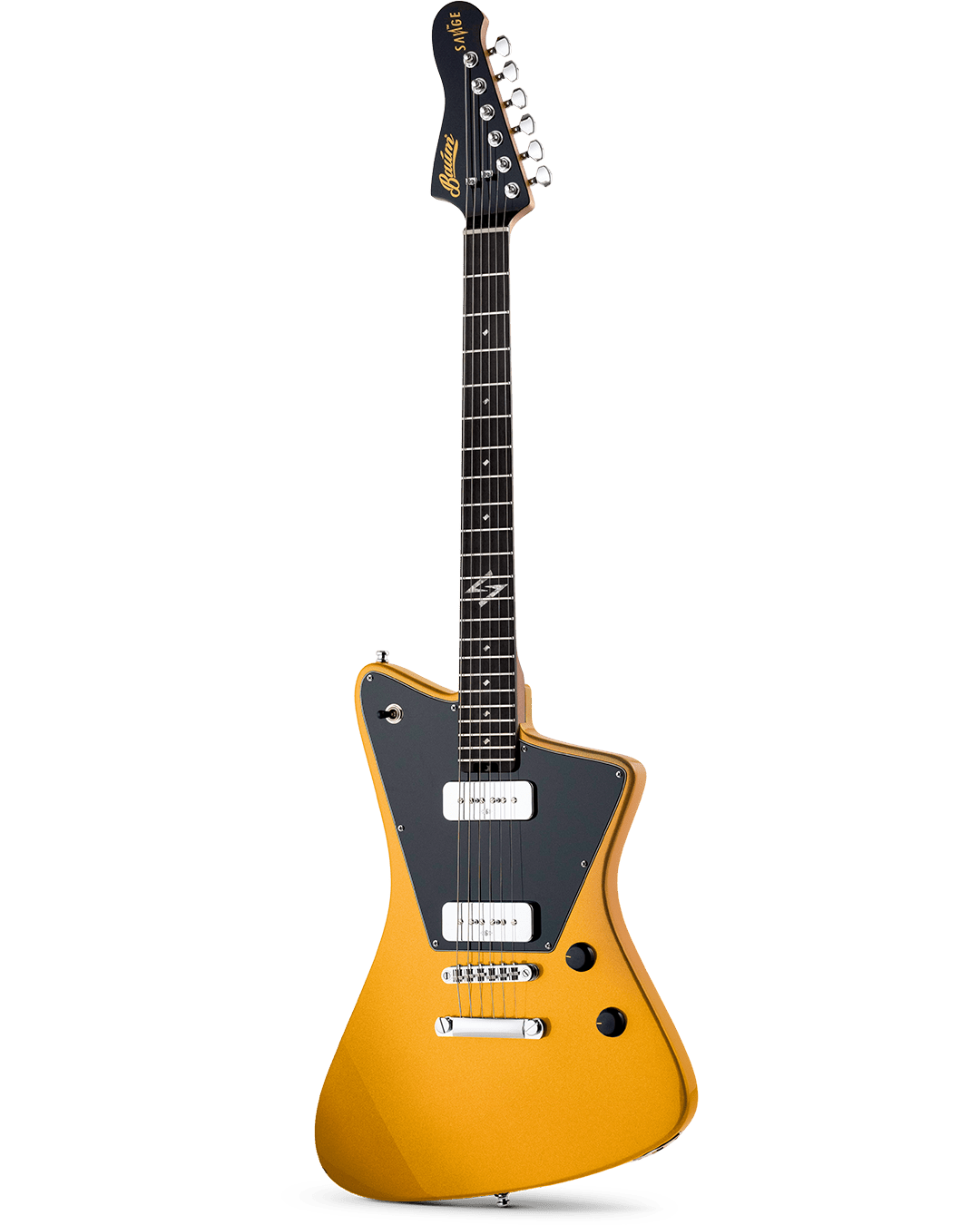
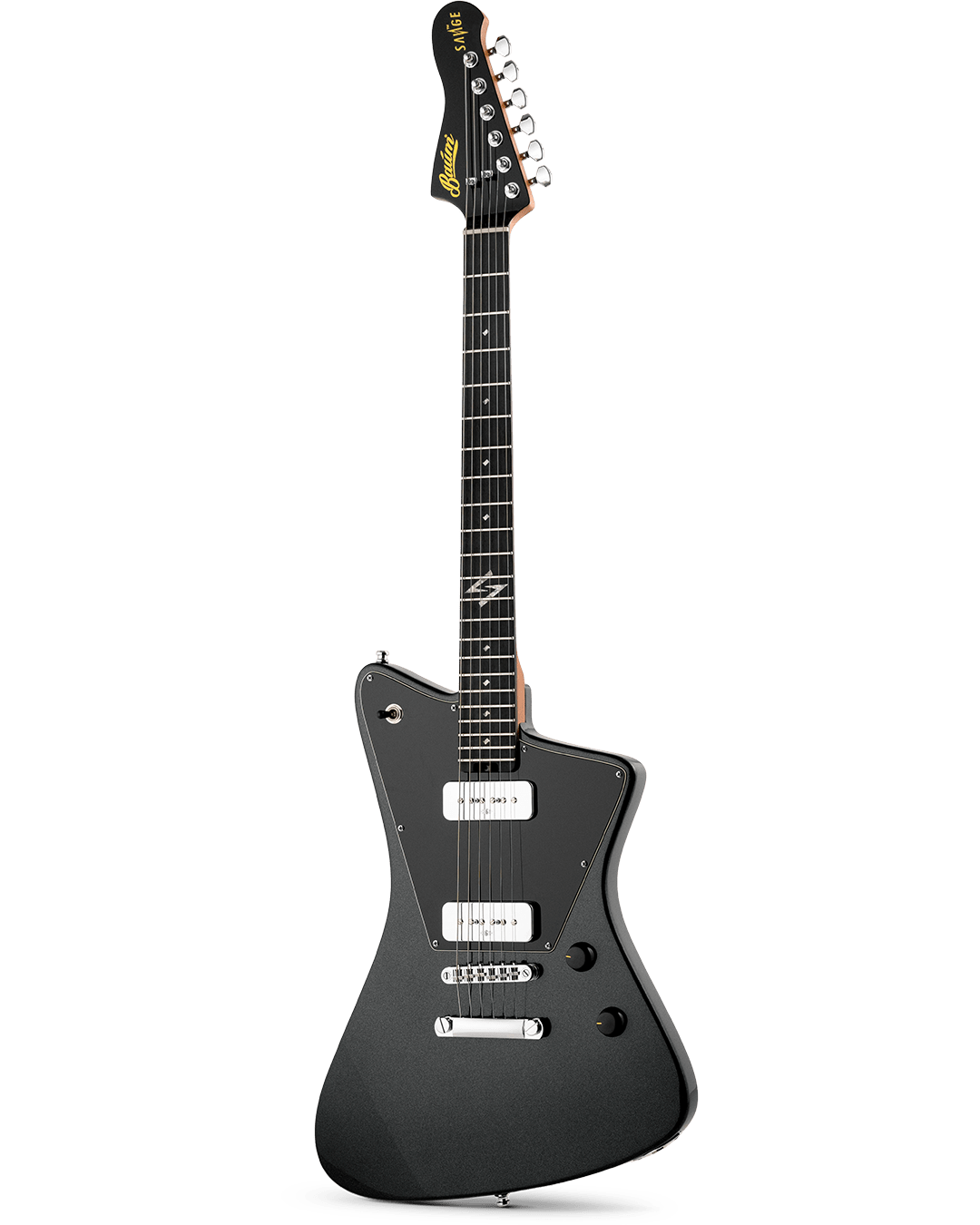
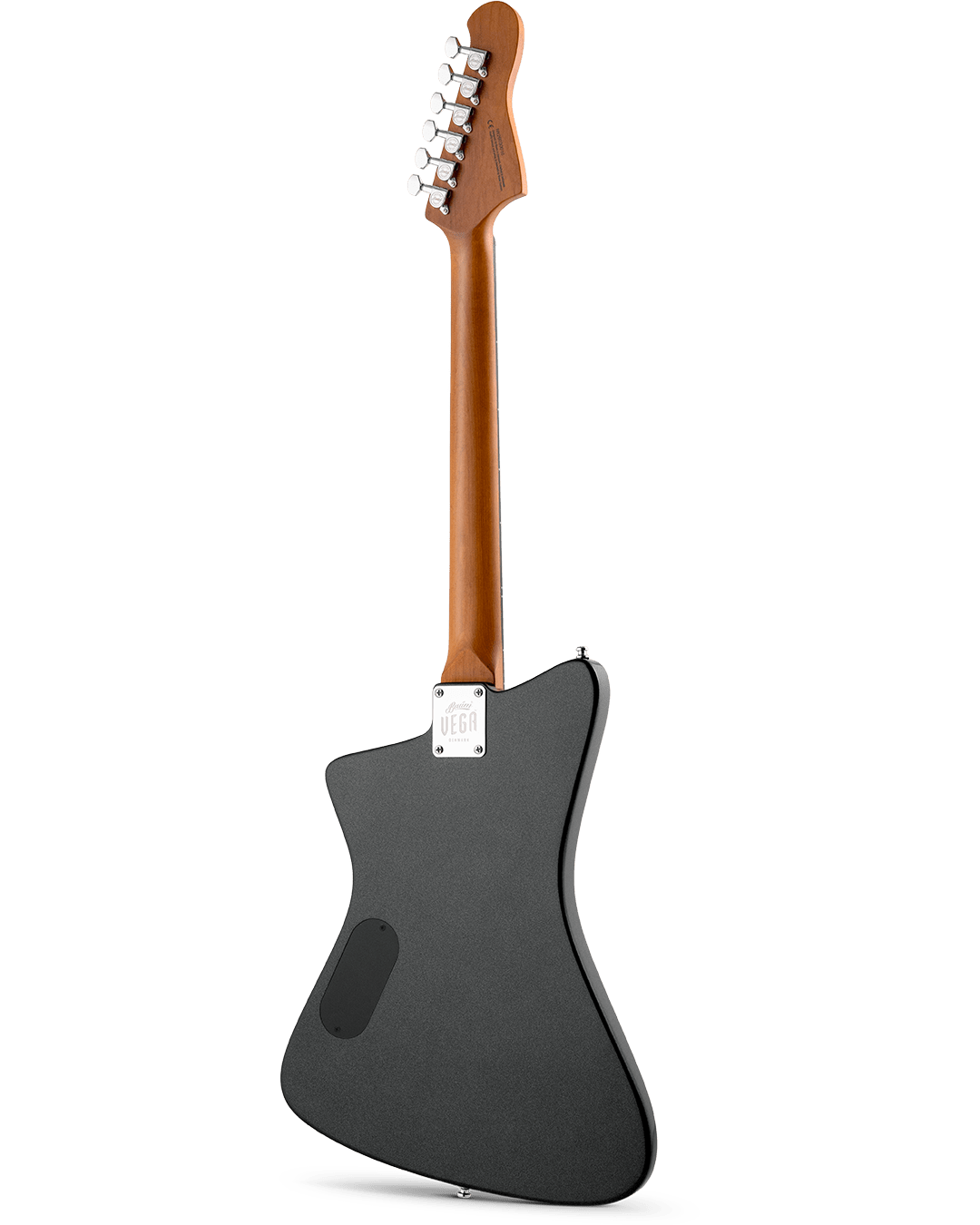
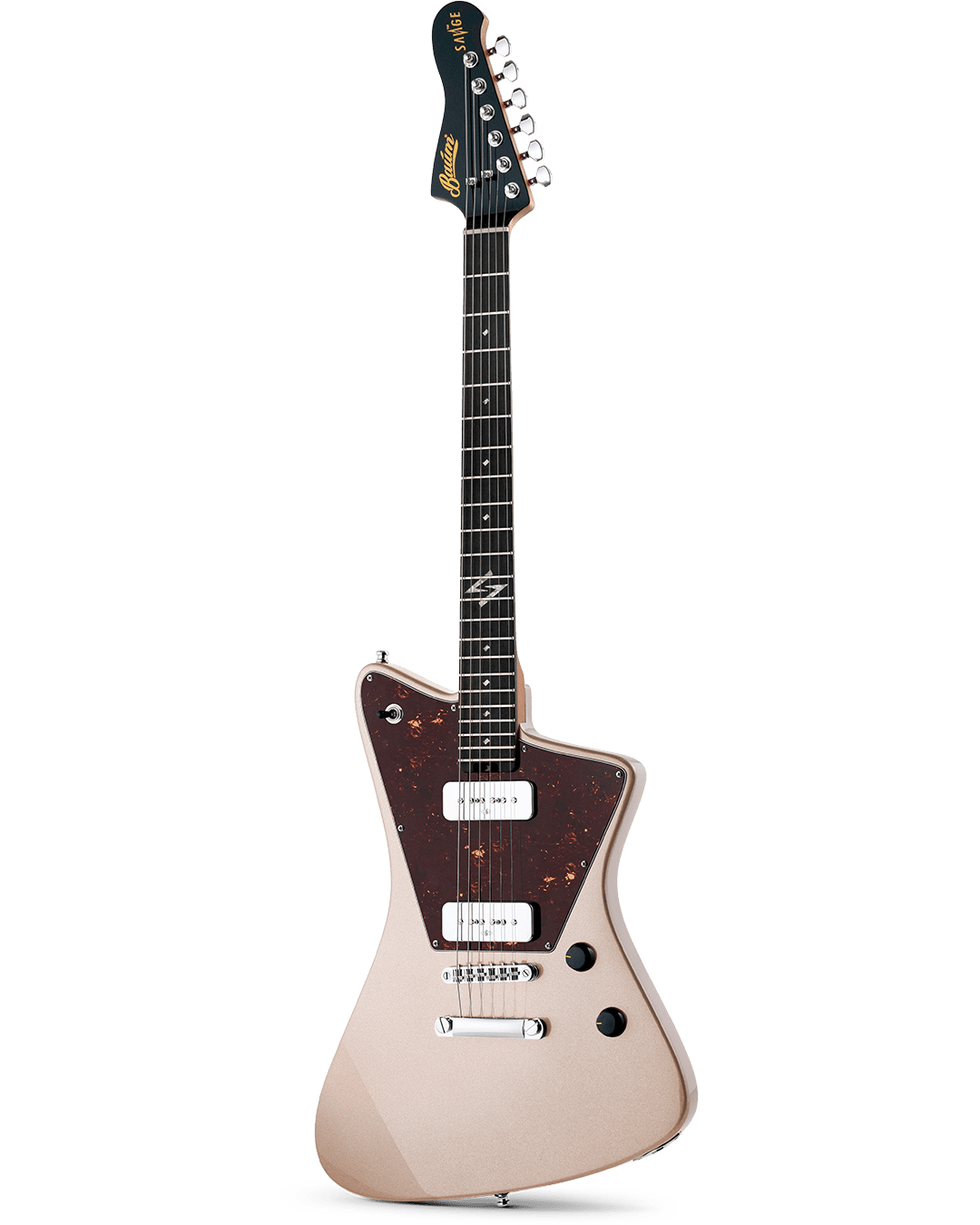
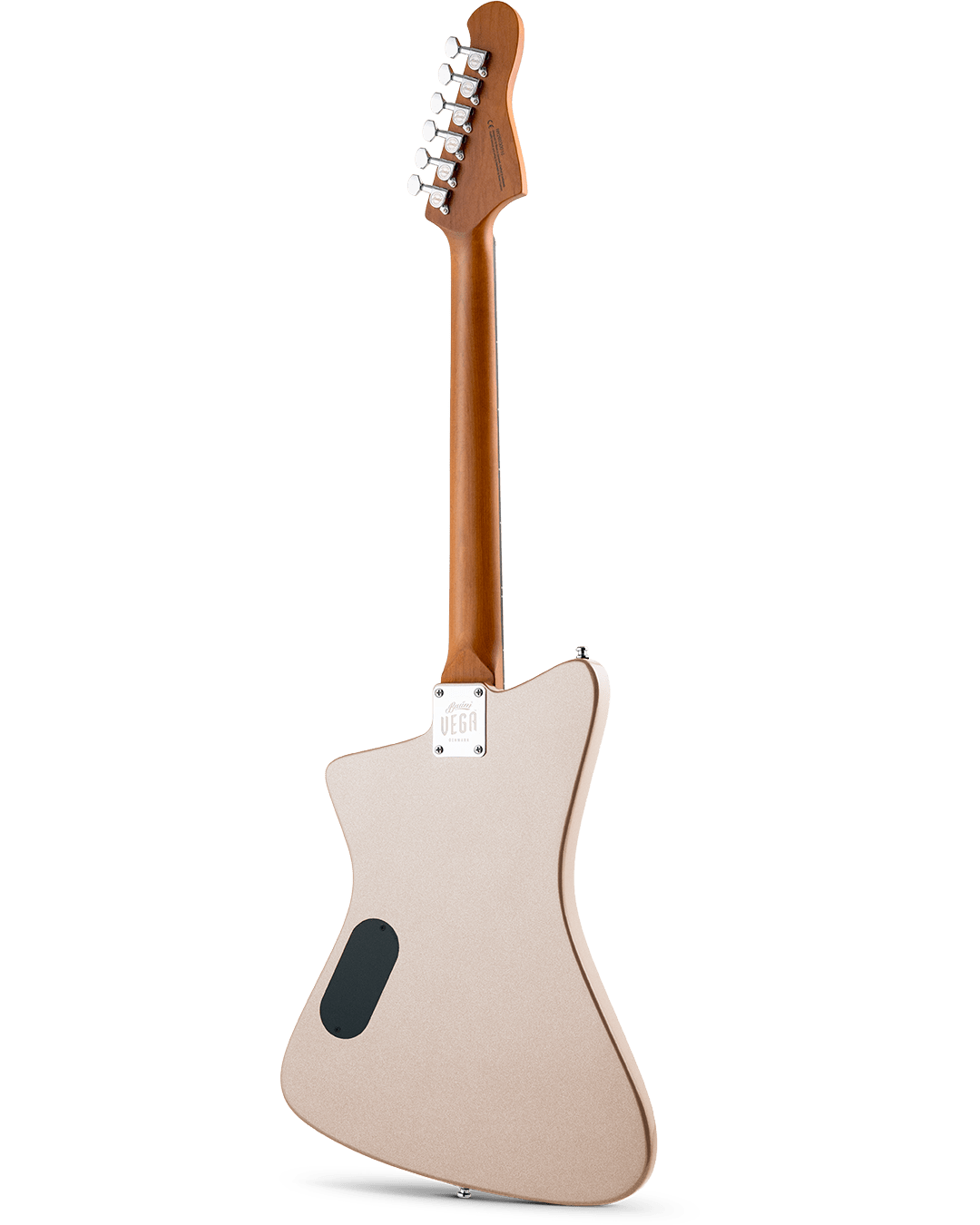
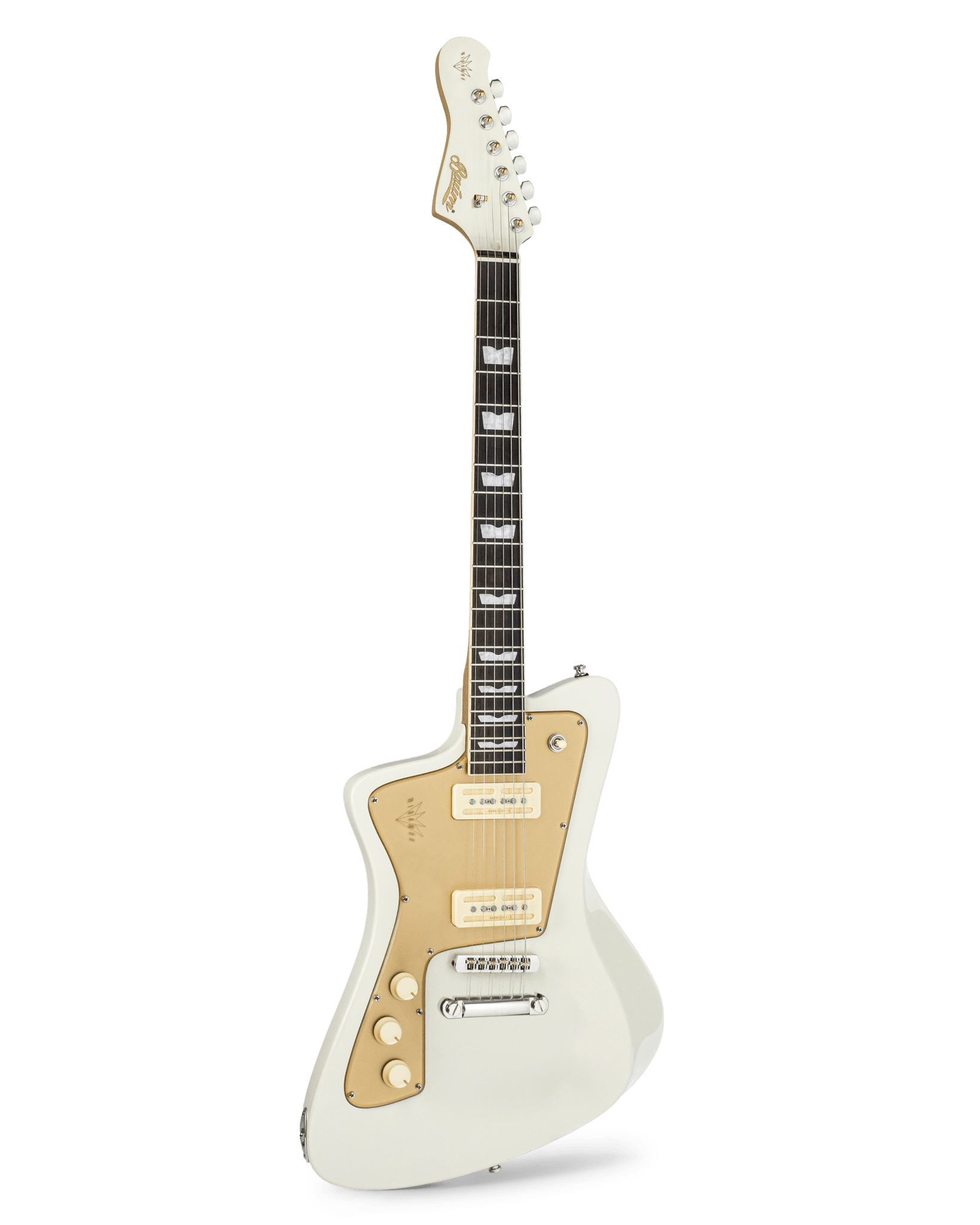
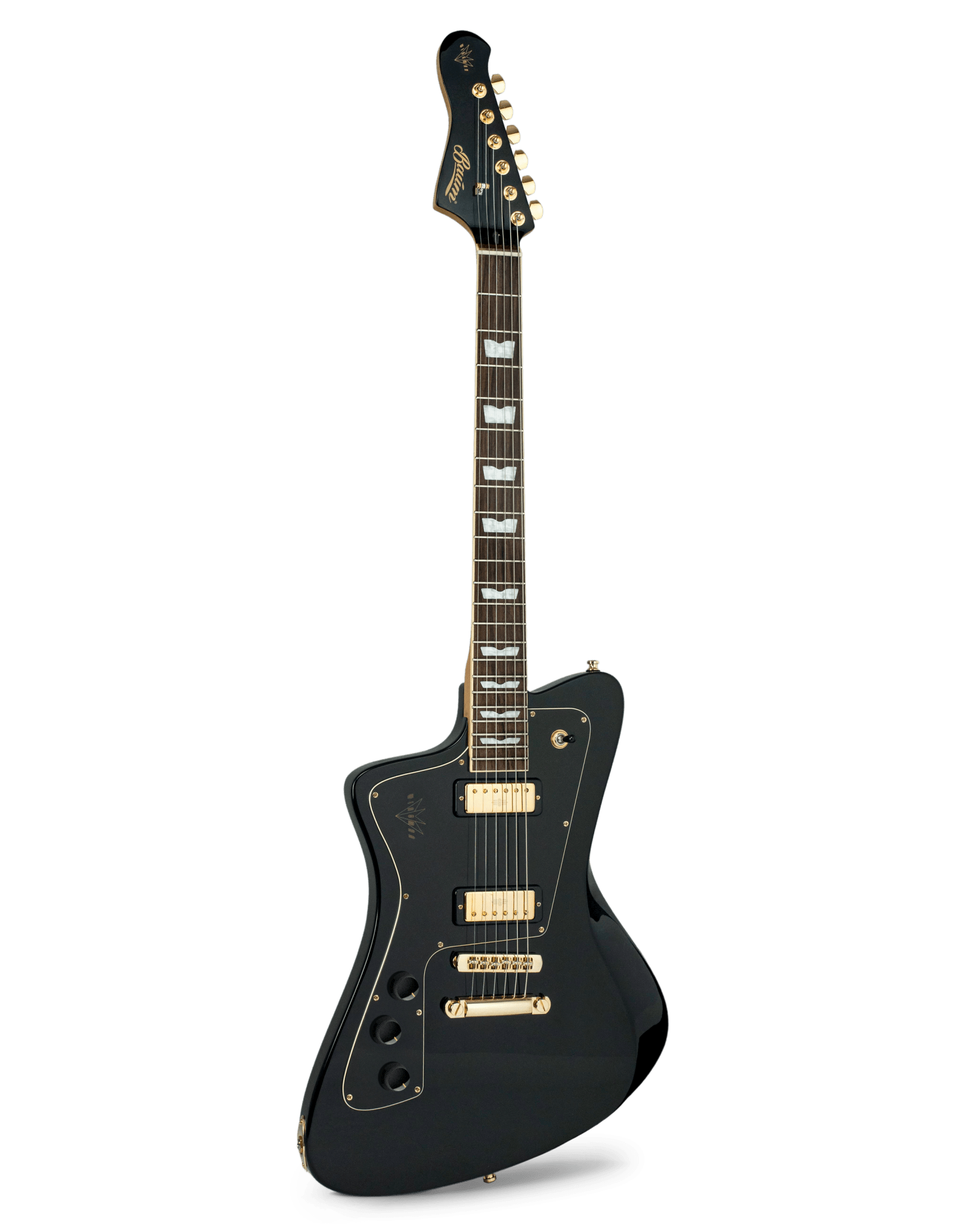
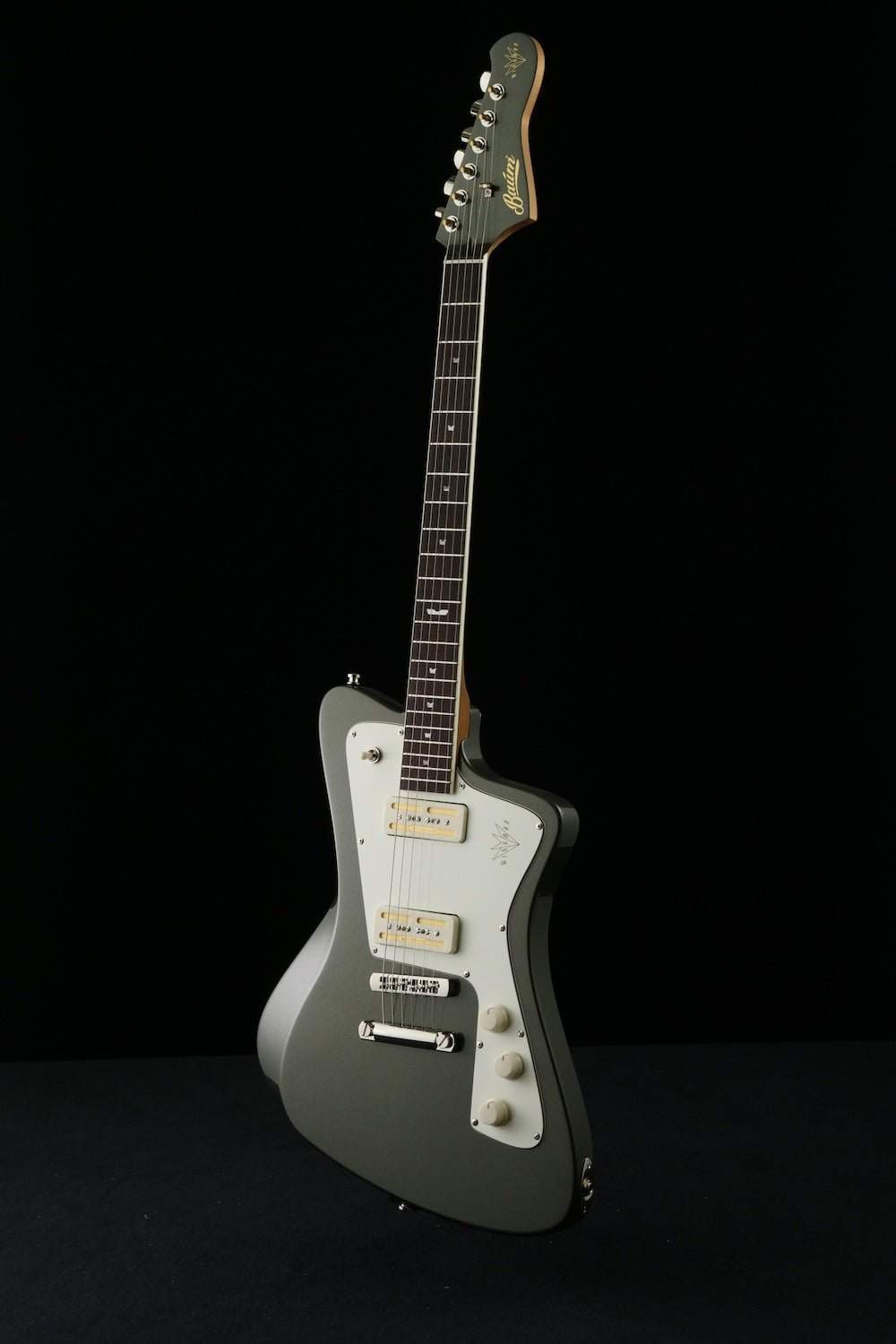
The Wingman is a solid body offset electric guitar, built on the same platform as the Carve and Revolt but with an offset body shape that shifts the playing balance and adds a longer upper horn. The offset format is a solid body construction with different geometry, not a fundamentally different instrument.
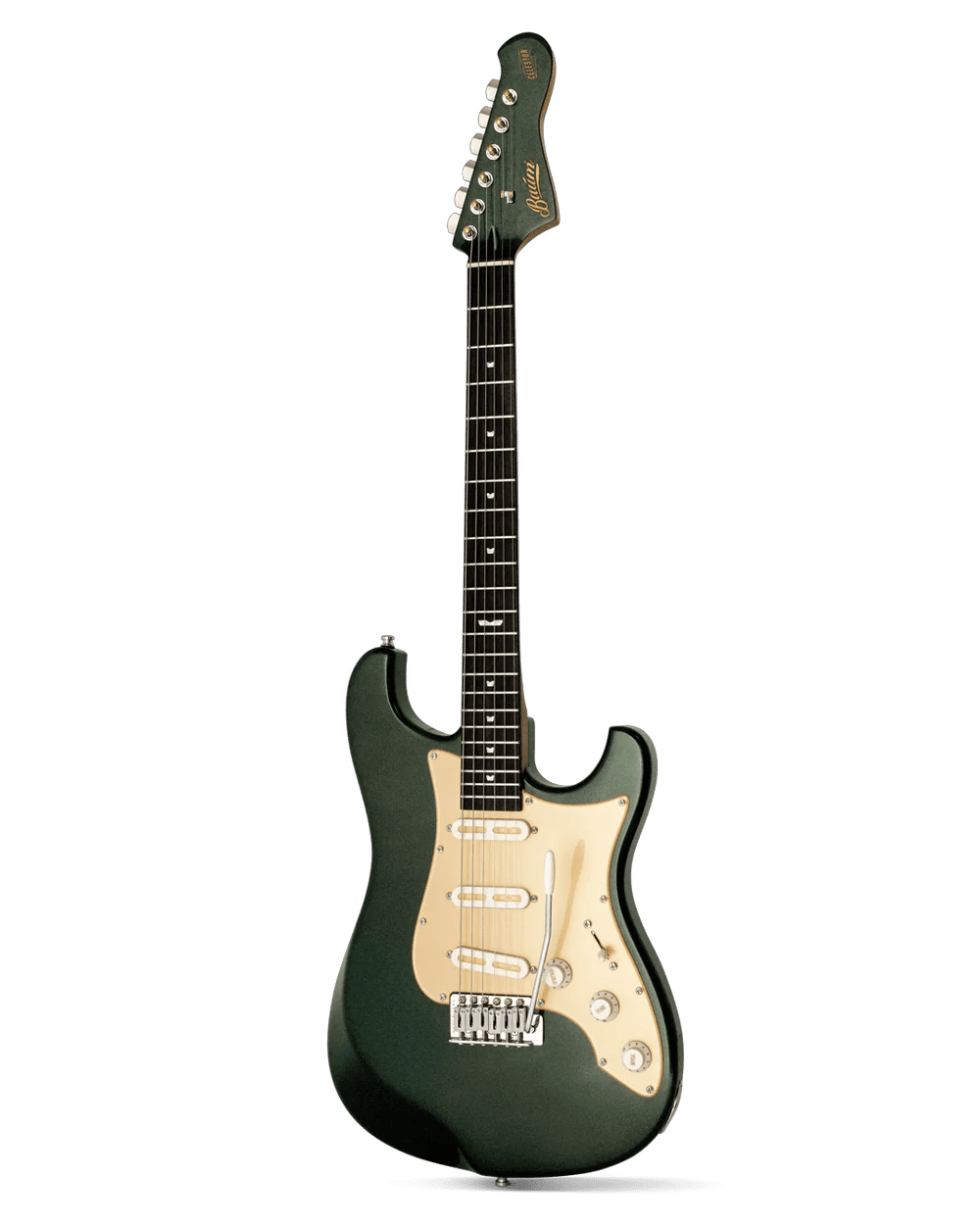
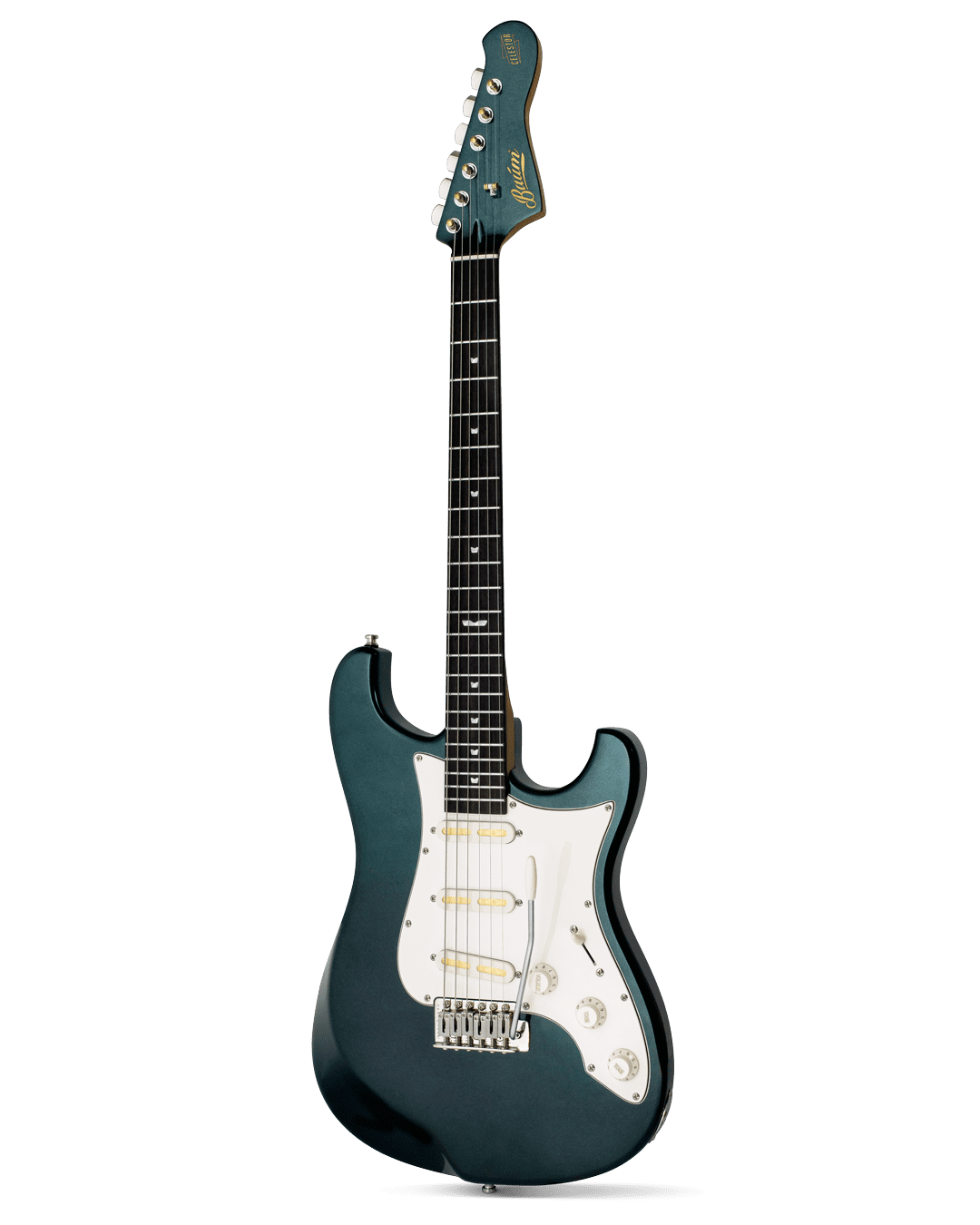
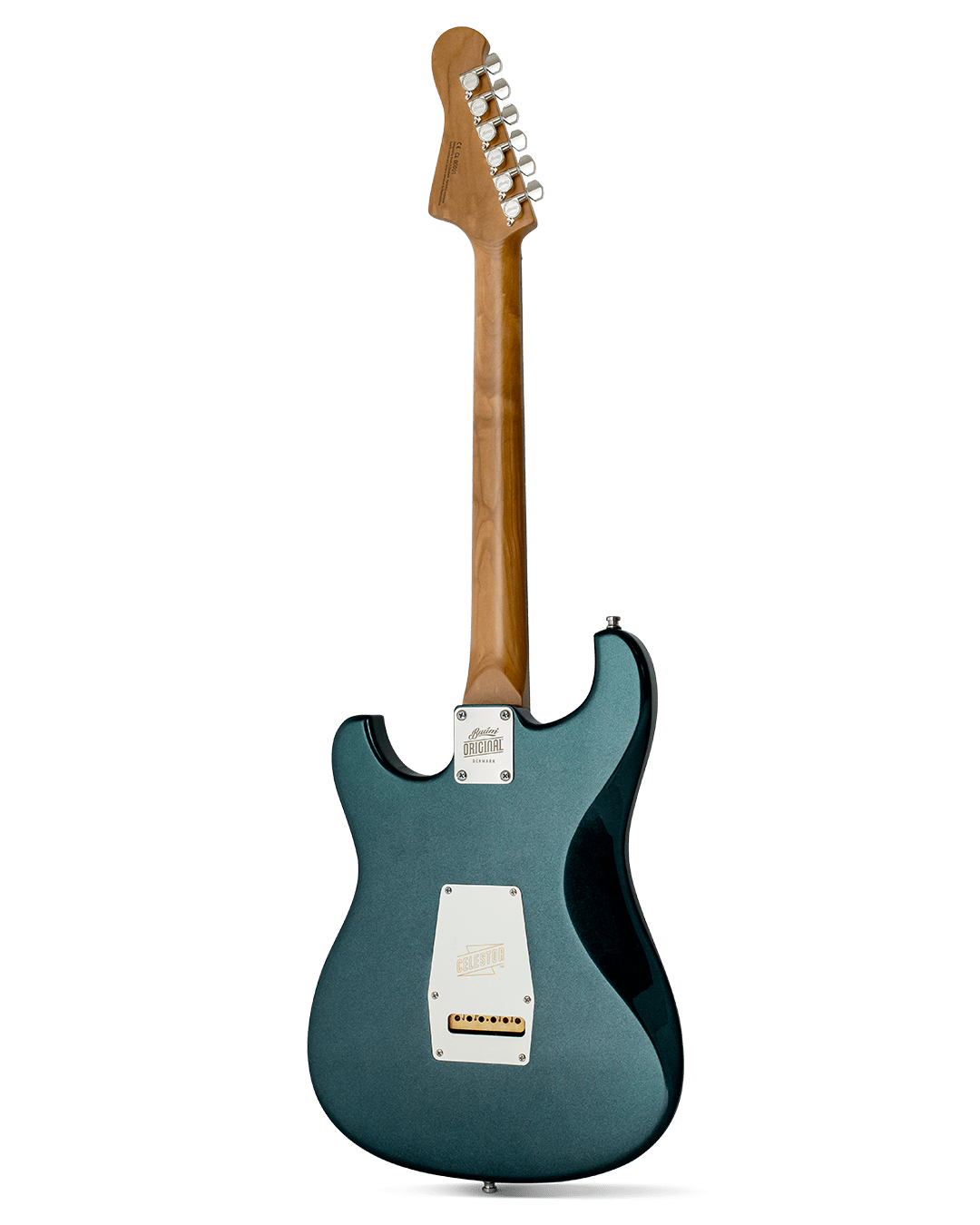
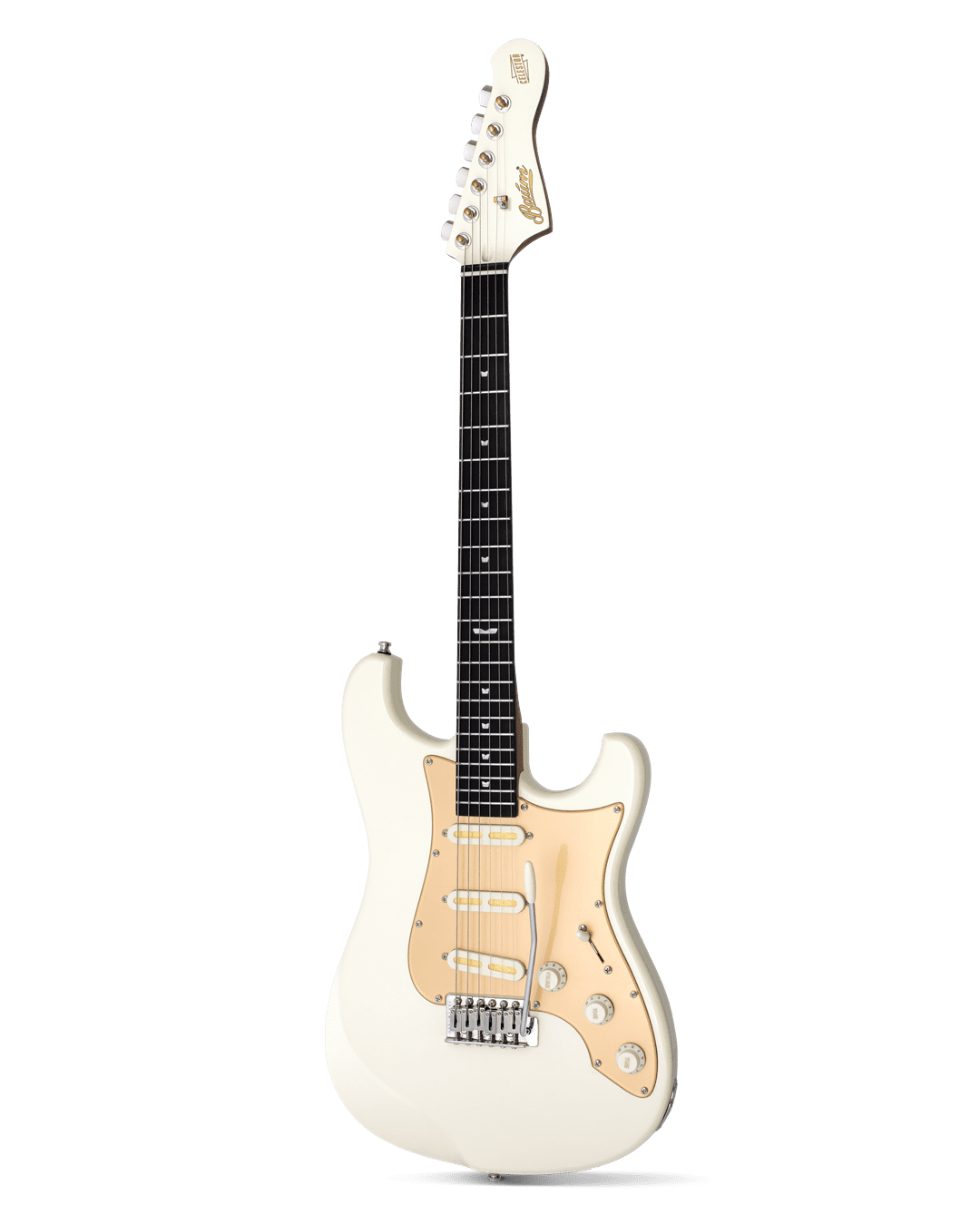
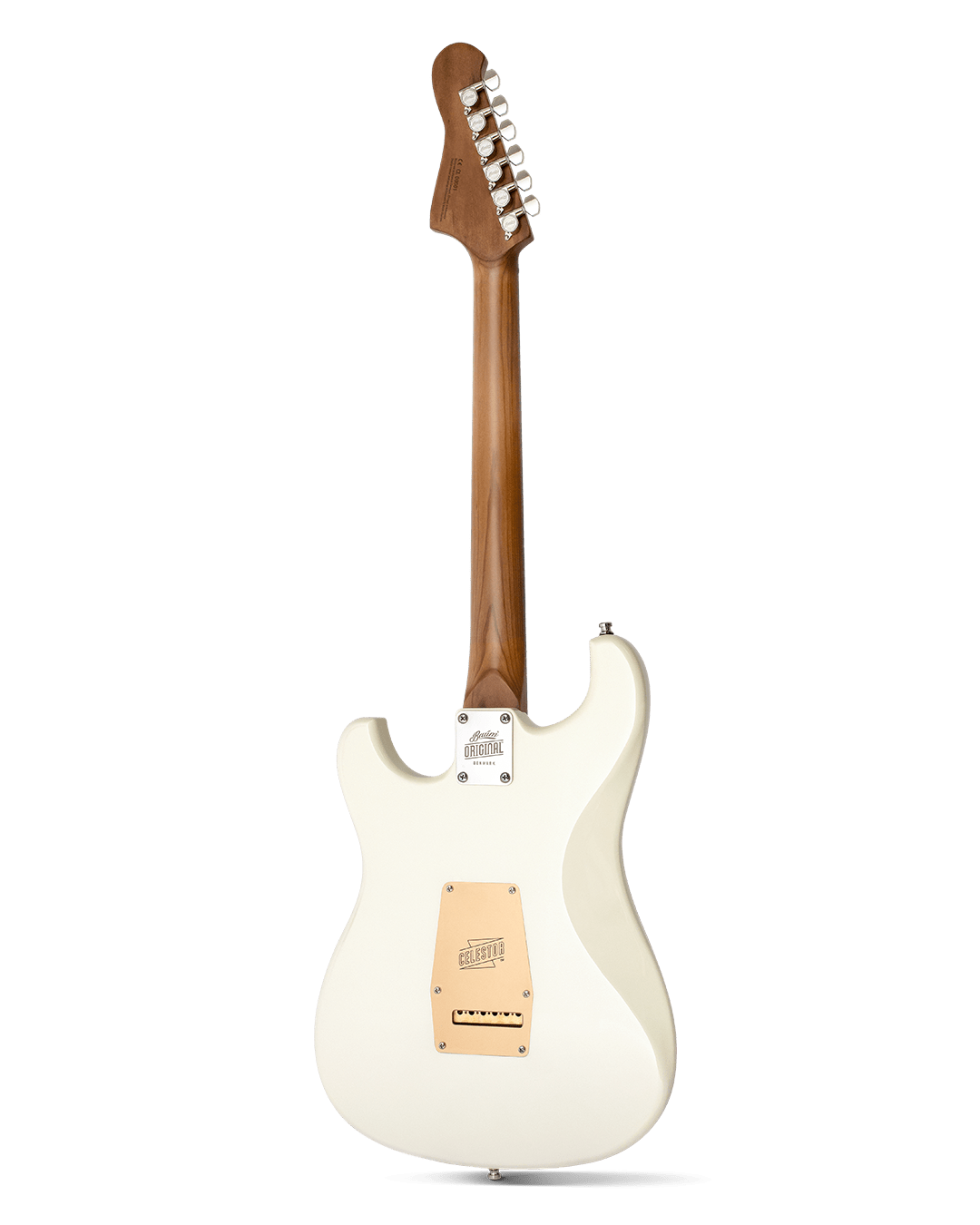
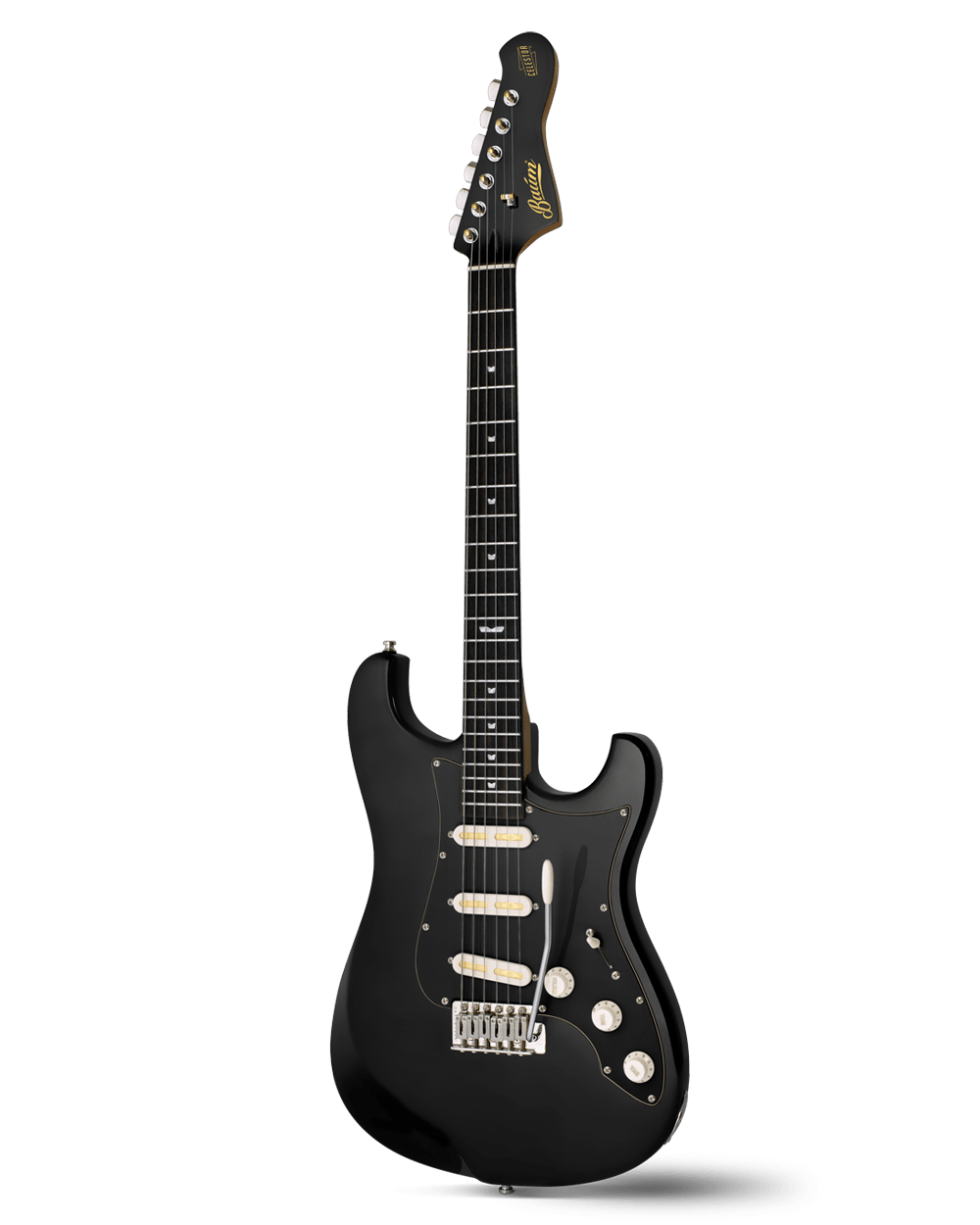
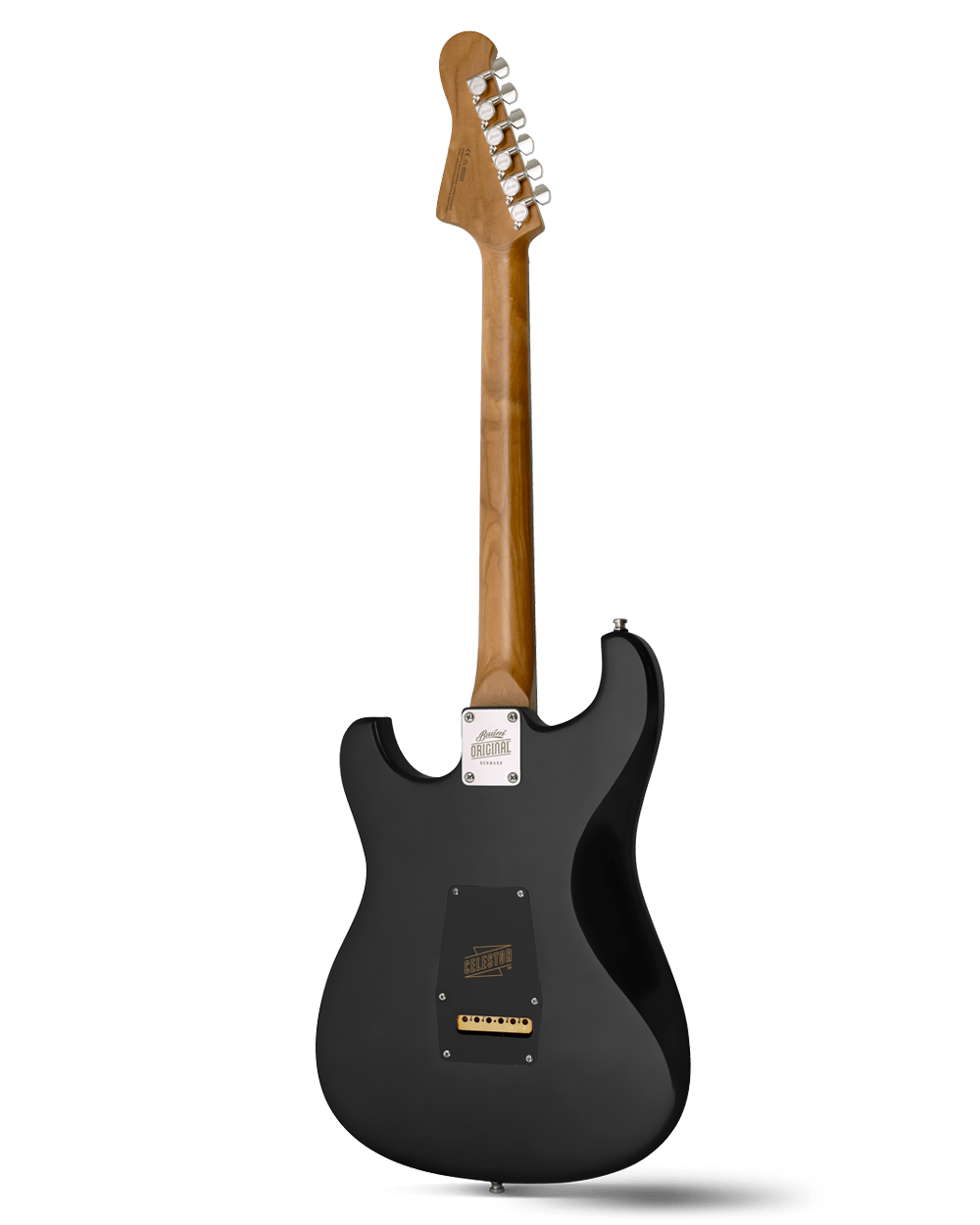
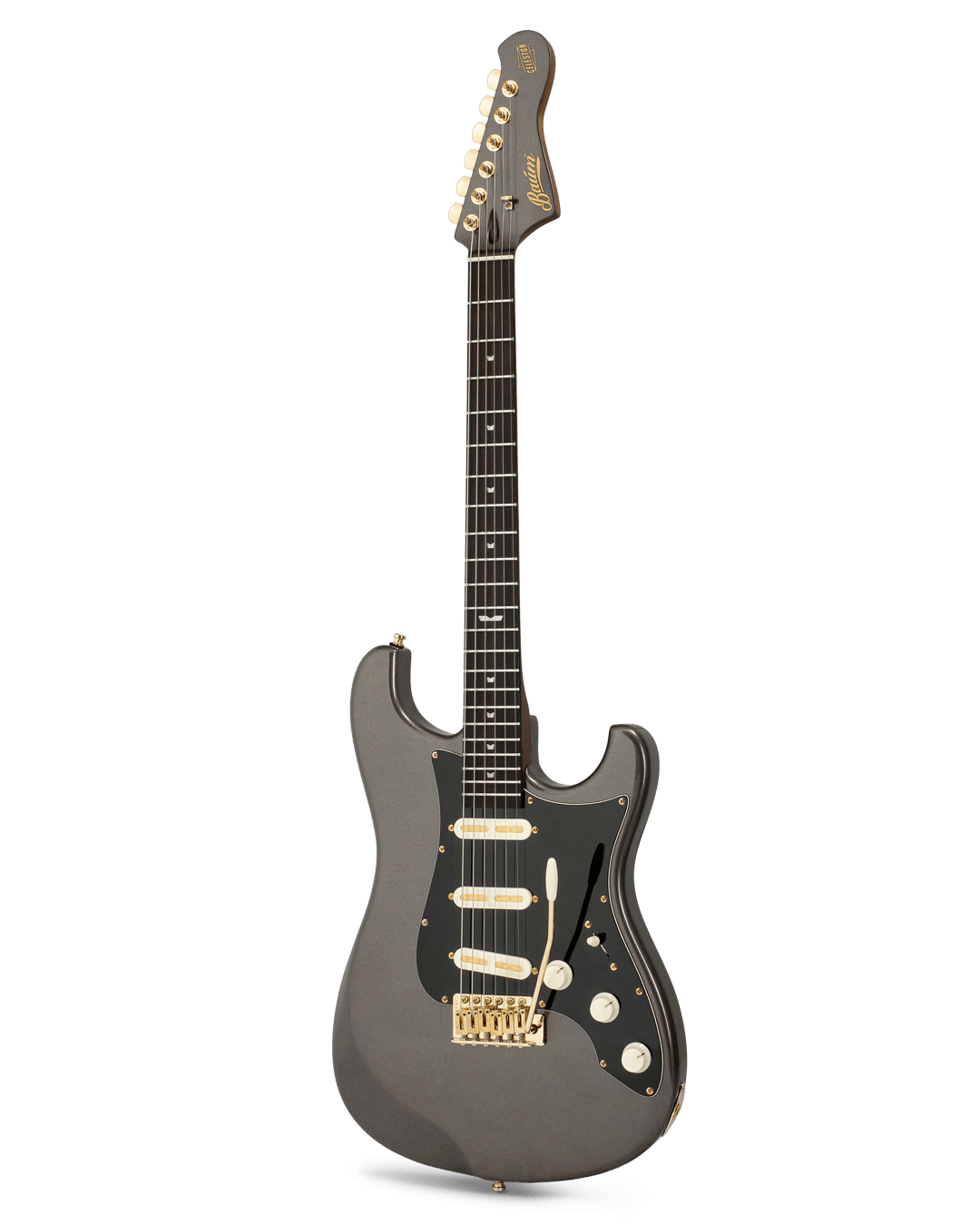
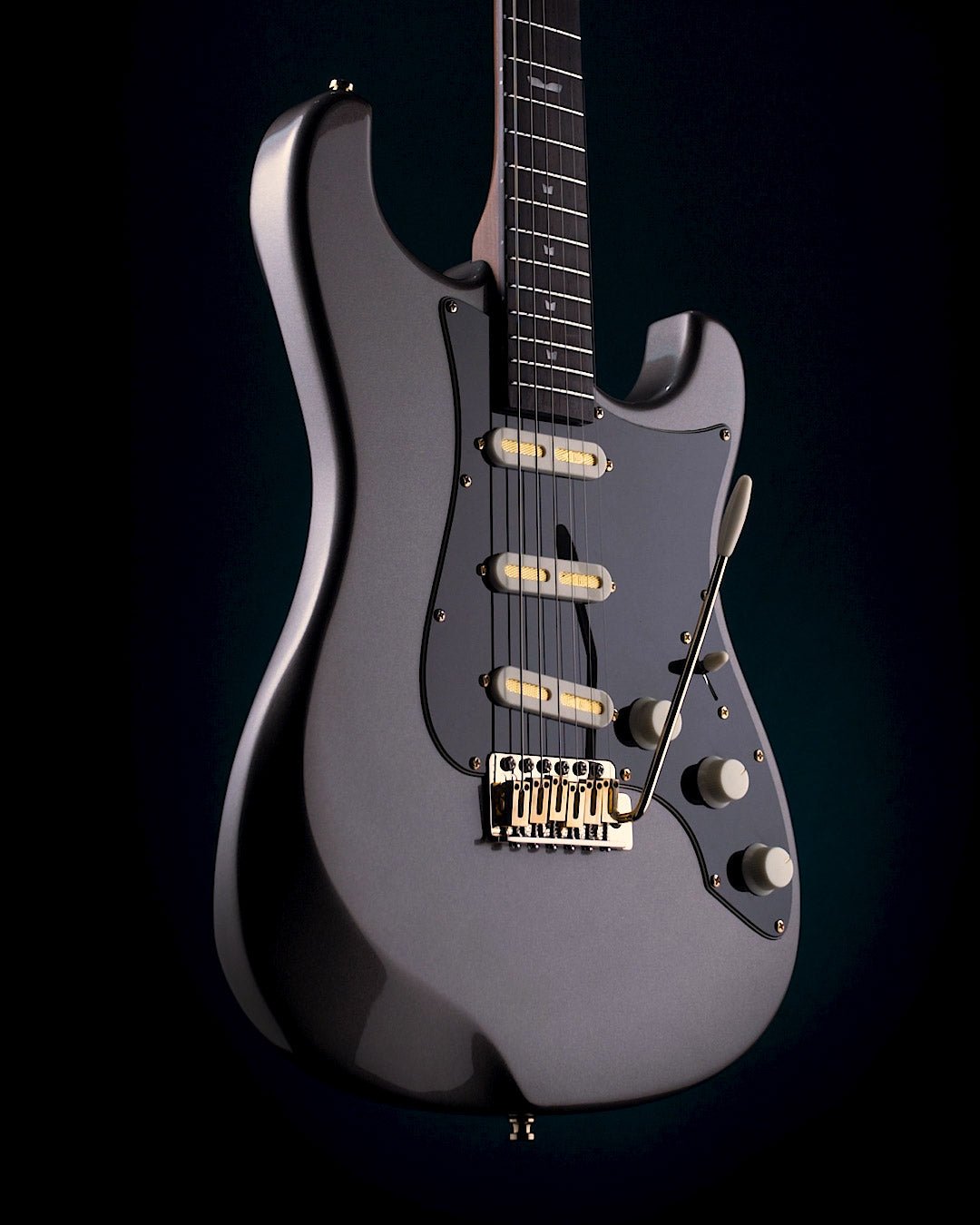
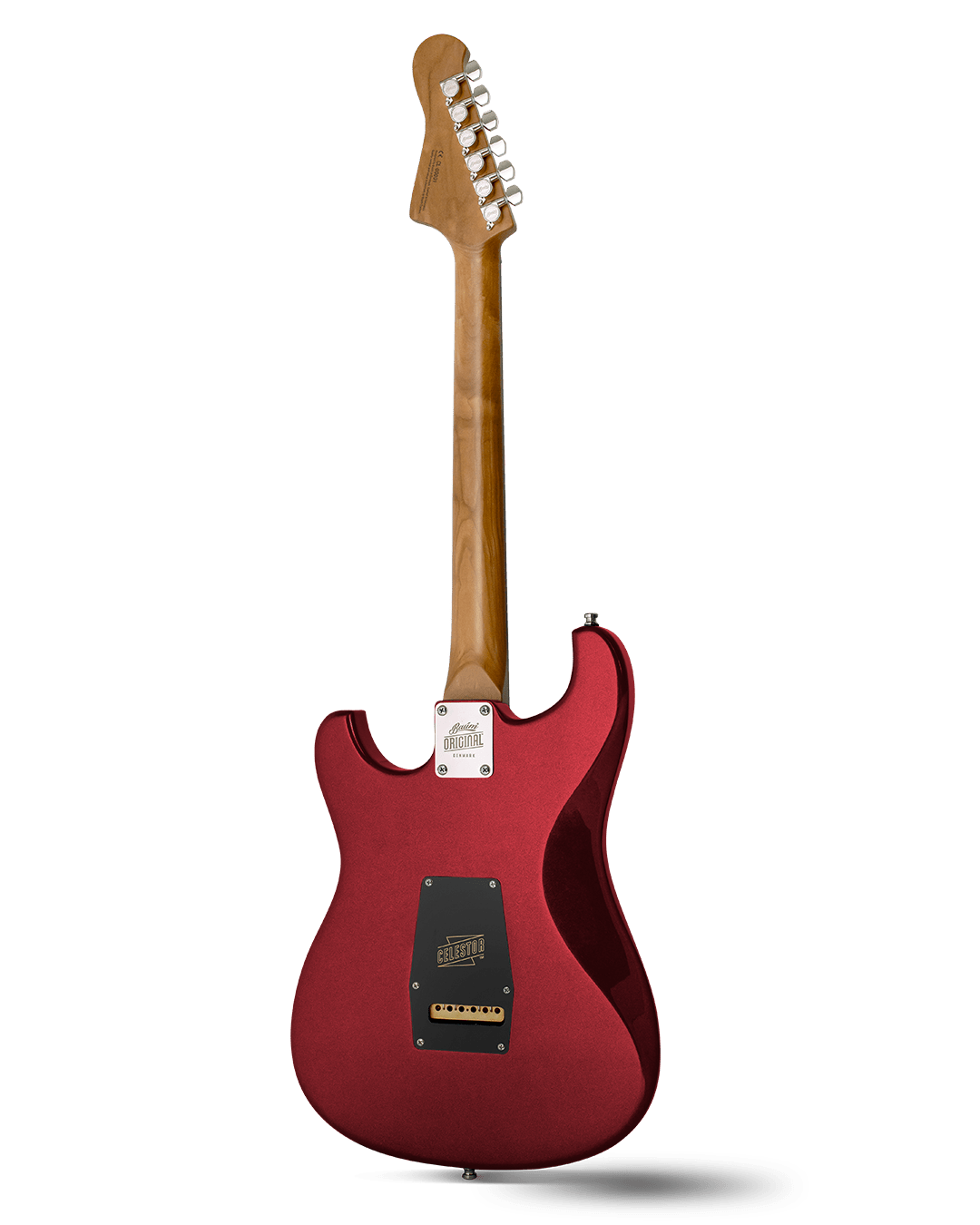
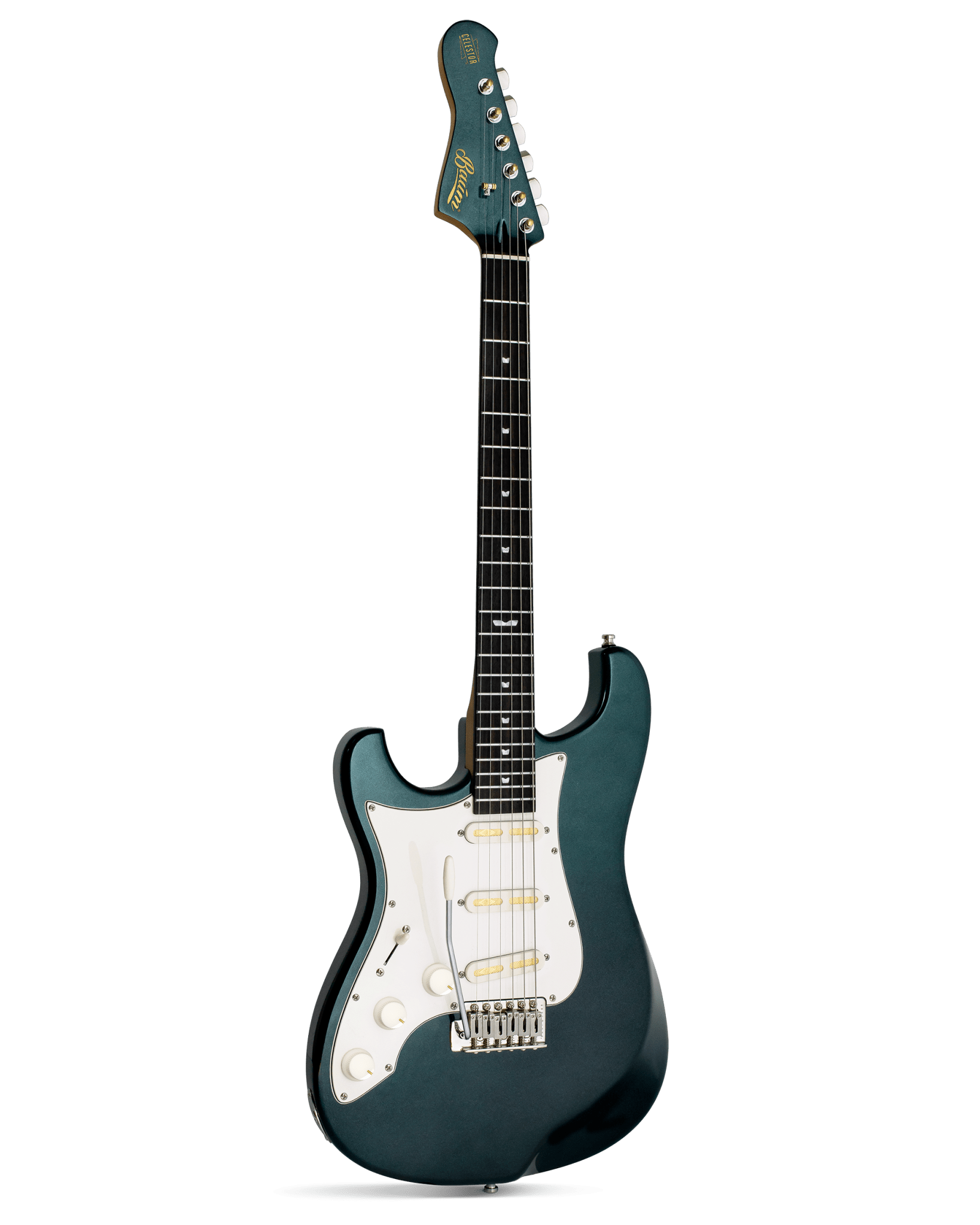
The Celestor is a solid body S-type electric guitar with three single coil pickups, a TrueTone™ tremolo system and extended neck plus bridge wiring options. S-type electric guitars are almost always solid body construction, and the Celestor uses the mahogany platform to deliver single coil clarity with more resonance than a typical S-style build.
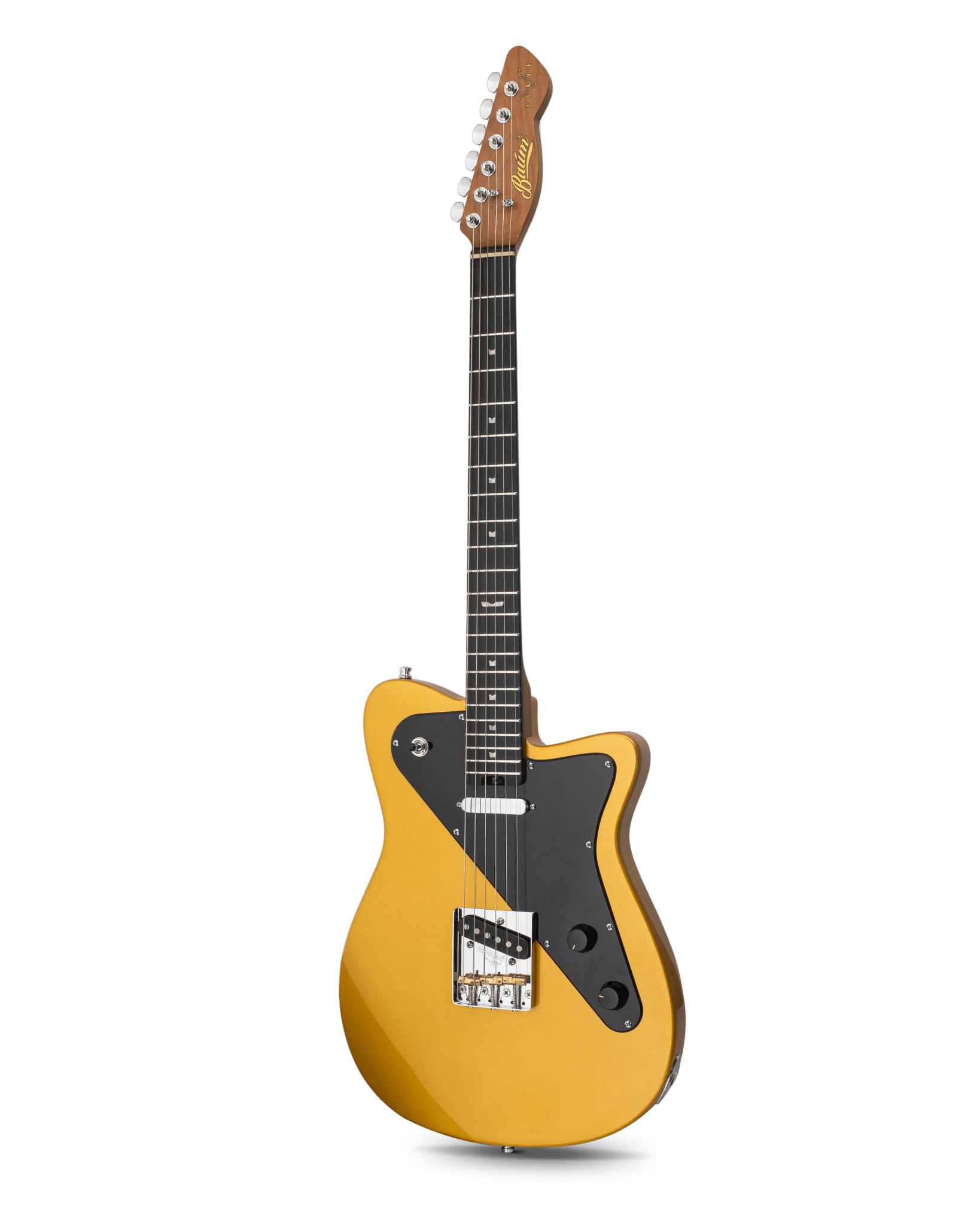
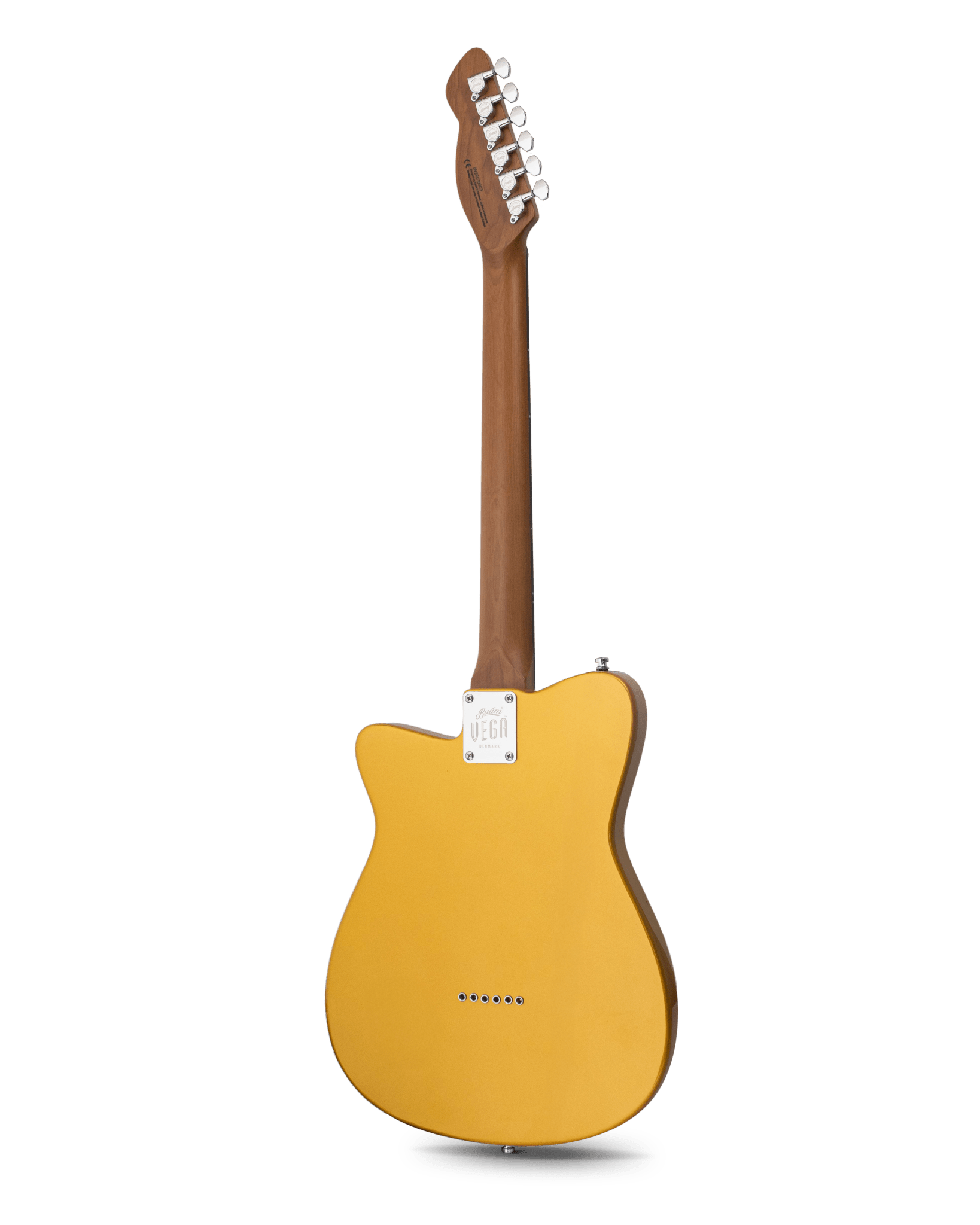
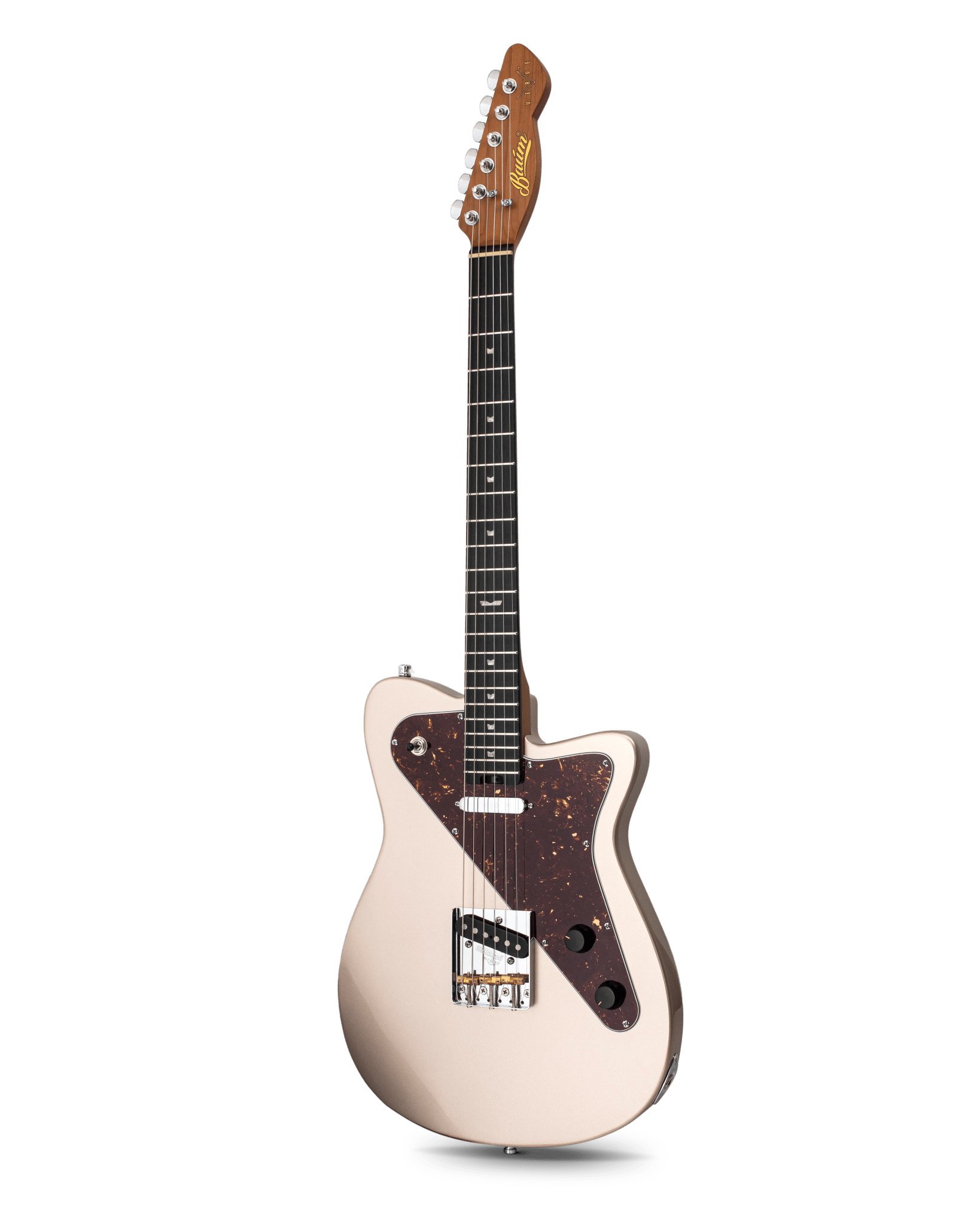
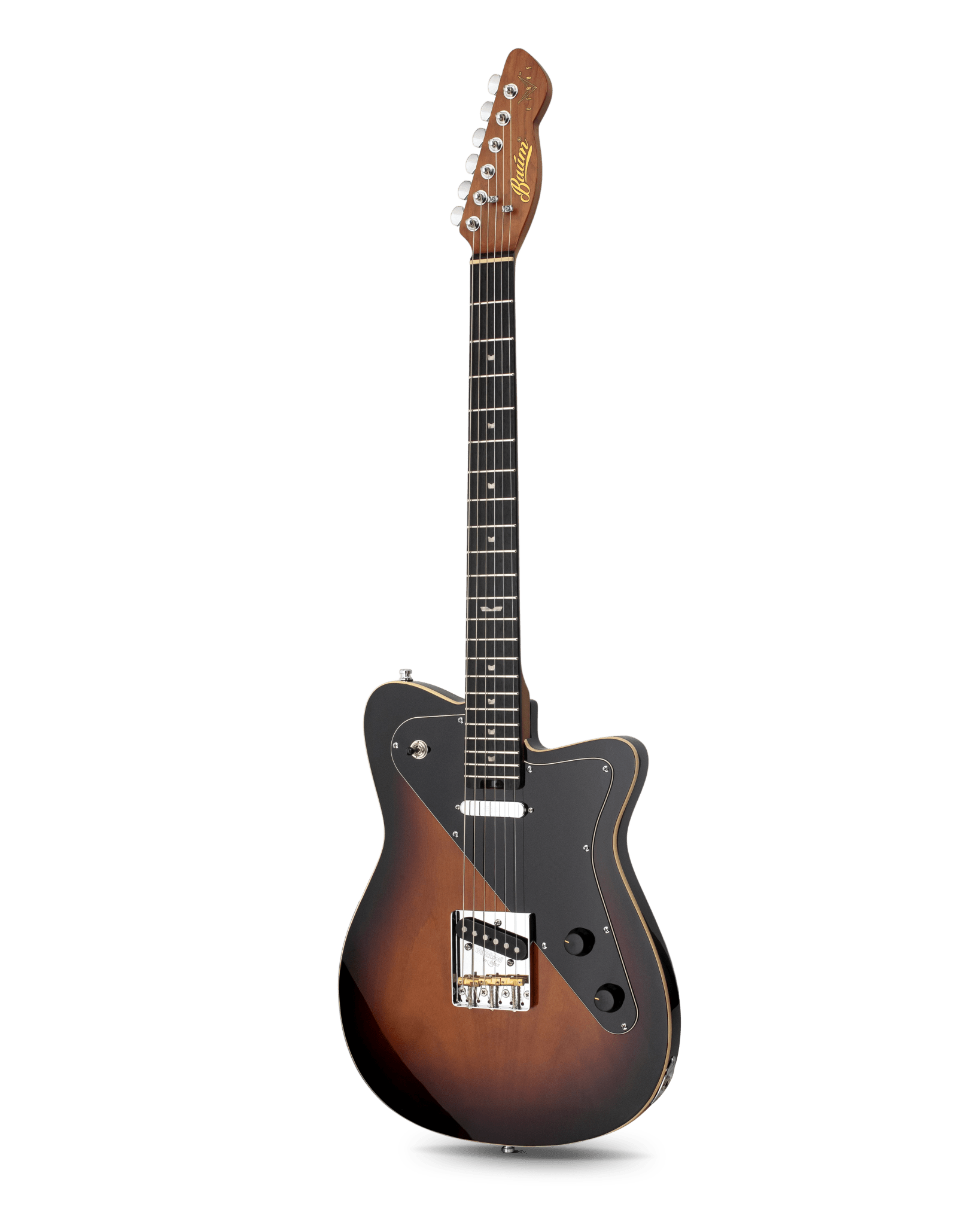
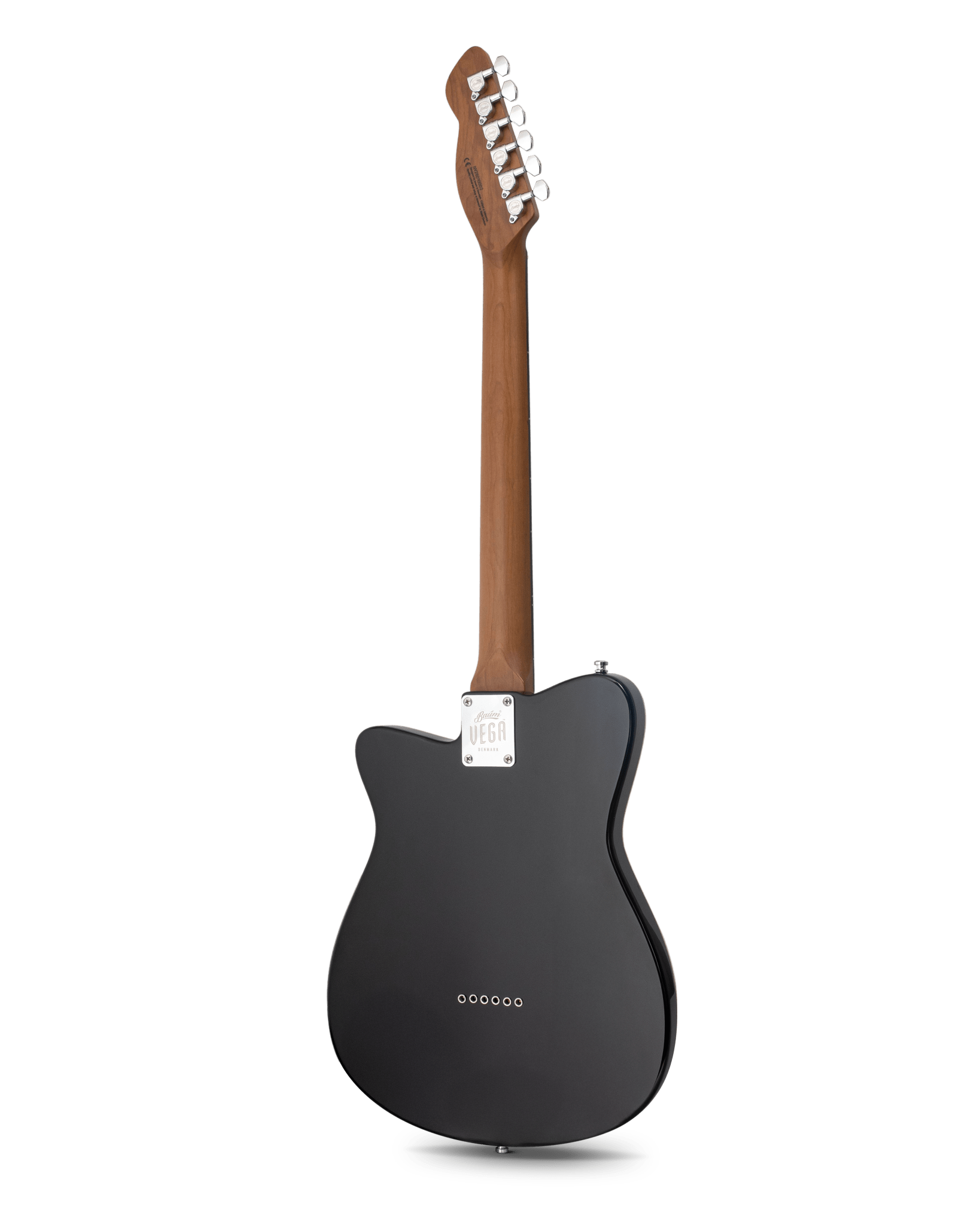
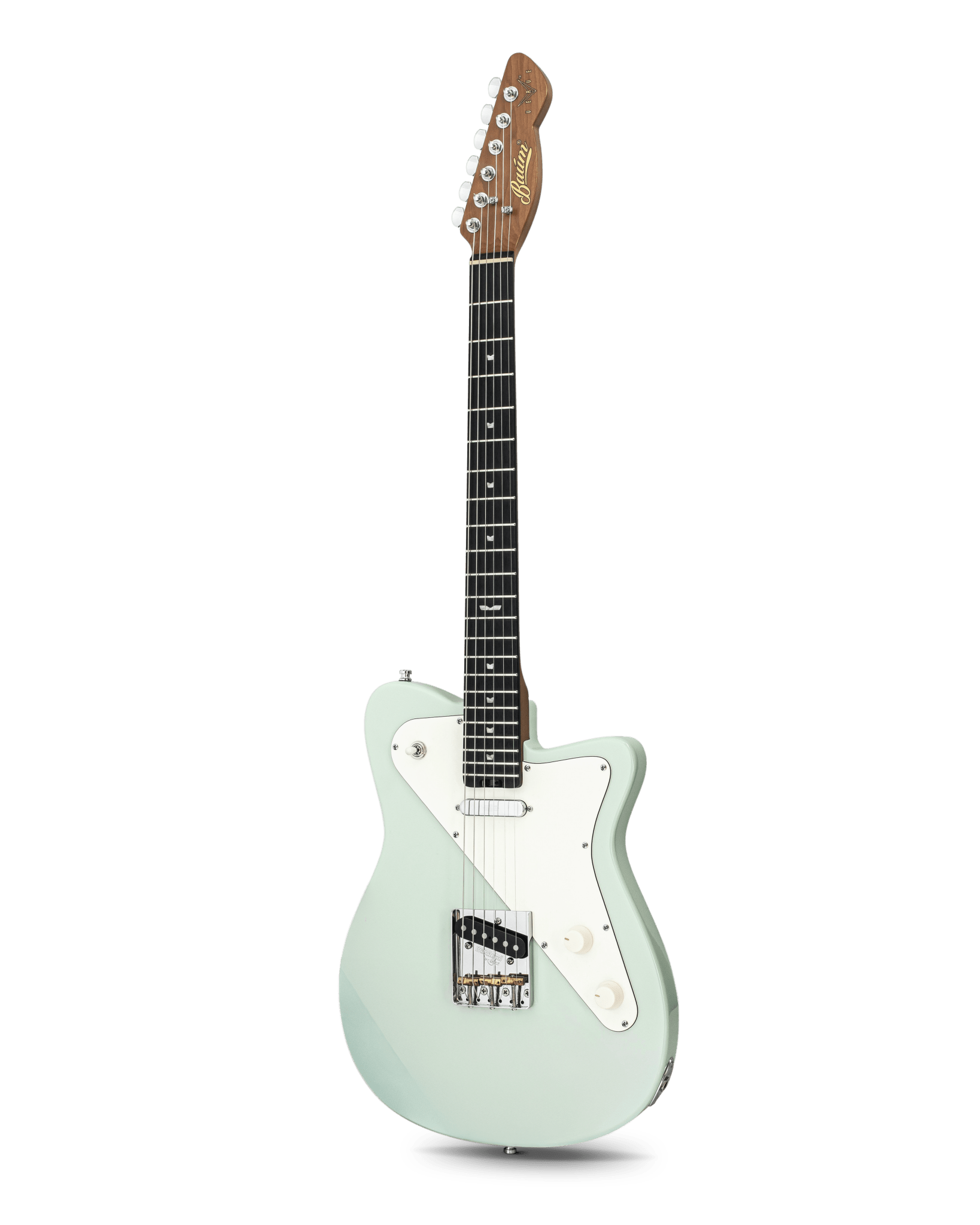
The Verve is a solid body T-type electric guitar with an ash veneer over the mahogany body, referencing the visual T-style tradition while keeping the tonal advantages of Baum's mahogany construction. It is the only Baum electric guitar with third-party bridge hardware, using a Wilkinson® WTB bridge because it is the right component for T-style intonation.
Across all four body formats, solid body construction is the connecting factor. The tonal signature changes, the body geometry changes, the pickup voicing changes, but the underlying construction philosophy stays consistent.
Choosing between solid body electric guitars
The choice between Baum's solid body electric guitars comes down to body shape, pickup voicing and playing context more than construction differences. All seven models sit on the same solid body platform. What varies is how that platform is optimised for different tonal outcomes.
Players who want a classic solid body double-cut with P-90 attitude have the Carve and Revolt to choose between, with the difference being modern SG-style geometry versus classic rounded double-cut character. Players who want the solid body advantages in an offset format have the Wingman for versatility across pickup configurations. Players who want S-type single coil clarity on a solid body platform have the Celestor. Players who want T-type solid body tone voiced for modern drive rather than vintage cleans have the Verve.
The broader Baum electric guitar lineup also includes two semi-hollow models for players who prefer chambered construction, but for anyone who wants the focused, direct, sustain-forward character of a solid body electric guitar, the solid body catalogue covers every major format on the same Baum construction platform.
45 days with any Baum solid body
Solid body electric guitars reveal their character through the way they interact with your amp, your effects and the room you play in. The best way to test whether a Baum solid body fits your playing is to spend real time with it in your own environment. Baum doesn't sell through retailers, so every solid body electric guitar in the catalogue ships direct from Denmark, set up by hand in Aarhus, and comes with a 45-day home trial regardless of which model you choose.